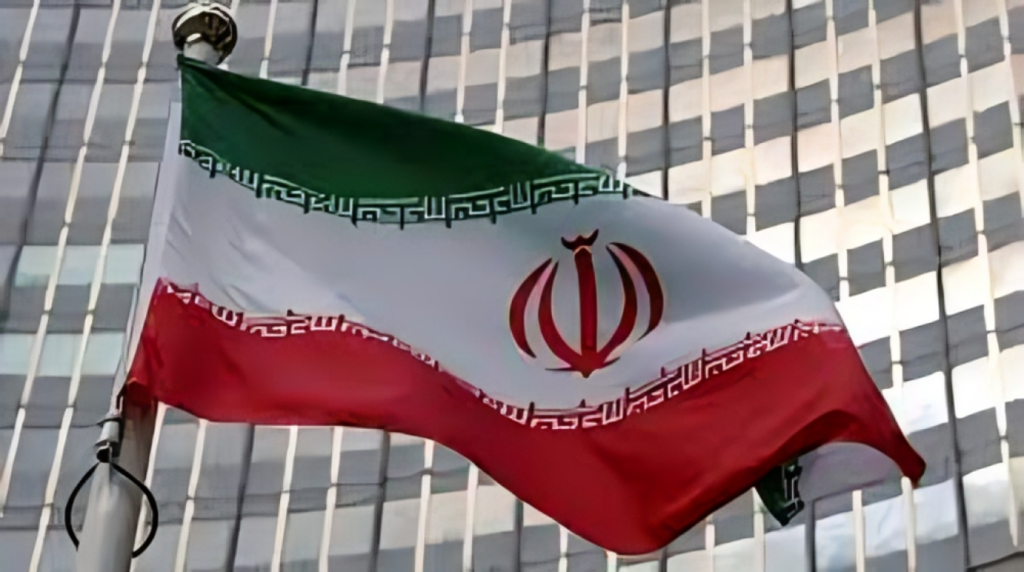
Iran publicly hanged a convicted murderer at the site of his alleged crime on Thursday, according to the judiciary, just two days after another public execution.
Most executions in Iran are carried out within prison walls, with public executions typically reserved for offences that provoke significant public outrage.
Execution Details
- Location: Kordkuy city, northern Iran
- Time: Dawn, Thursday
- Method: Public hanging at the crime scene
- Offence: Convicted of killing a couple and a young woman with a hunting rifle late last year
Provincial judiciary chief Heidar Asiabi told the judiciary’s Mizan Online news website that the execution was deliberately conducted at the scene of the crime and in public.
Just two days prior, on Tuesday, another man was publicly hanged in the southern province of Fars after being convicted of murdering a mother and her three children during a robbery. His wife, who received the same sentence, is scheduled to be executed in prison at a later date.
Iran is among the highest executing nations in the world, surpassed only by China, according to Amnesty International and other human rights groups.
- UN Response: Last month, the UN Human Rights Office urged Iran to halt the use of the death penalty, citing a “worrying surge in executions.”
- Reported Executions: At least 612 people were executed in the first half of this year alone.
Iran has defended its use of capital punishment, stating that it is restricted to only the most severe crimes.
Capital Offences in Iran
| Category | Examples |
| Murder | Killing individuals or multiple victims |
| Sexual Crimes | Rape, adultery |
| Drug-related crimes | Certain trafficking and possession offences |
| Islamic law offences | “Enmity against God” and “corruption on Earth” |
Public executions, especially at the crime scene, are rare in Iran and generally reserved for cases that authorities claim have provoked strong public outrage, highlighting the judiciary’s use of capital punishment as a deterrent and a warning to society.