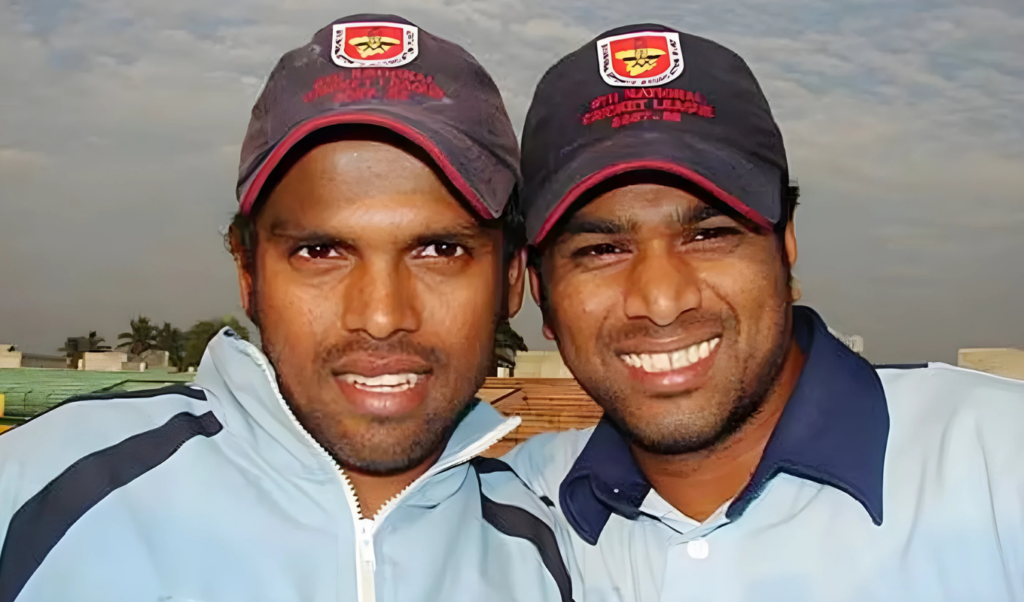
The city of Sylhet, spread across twenty-one wards, is renowned not only for its tea gardens and hilly landscapes but also for its historic contribution to Bangladesh cricket. The nation has produced Alok Kapali and Rajin Saleh from this region. Kapali made history as the first Bangladeshi to take a Test hat-trick, while Rajin carved a niche in the national team through his leadership and solid batting.
However, the brilliance of these stars has faded over time. While Sylhet still hosts international cricket matches and participates regularly in the Bangladesh Premier League (BPL), questions remain: why has the new generation of Sylheti batsmen been unable to break into the national team? In the past decade, only Jakir Hasan and Jaker Ali Anik have represented Bangladesh at the national level.
Local coaches argue that Sylhet’s pitches favour bowlers, making run-scoring difficult and discouraging young players from developing the temperament for big innings. Coupled with a Dhaka-centric league system and selective pathways, Sylheti batsmen struggle to secure national opportunities.
Currently, the ongoing Bangladesh-Netherlands T20 series features just one Sylheti batsman, Jaker, who, like Jakir, came through the Bangladesh Krira Shikkha Protishtan (BKSP) rather than directly from Sylhet’s local infrastructure.
| Challenge | Details |
| Pitch Conditions | Bowler-friendly pitches limit batting practice and high-run games |
| League Structure | Limited district-level tournaments; only Sylhet city regularly hosts competitive matches |
| Talent Pipeline | Lack of grassroots support and coaching reduces opportunities for young batsmen |
| Selection System | Predominantly Dhaka-centric, limiting visibility for Sylheti talent |
Ali Wasikuzzaman Oni, manager of the Sylhet divisional cricket team, said: “It is true that after Rajin Saleh and Alok Kapali, no prominent batsman has emerged from Sylhet. Jakir Hasan and Jaker Ali Anik rose through BKSP. They are Sylhet-born but lacked proper local opportunities.”
Oni also highlighted the lack of regular leagues in surrounding districts, noting that Moulvibazar has had no league for 12 years, while only Sylhet city hosts competitions. Without competitive matches, finding skilled batsmen is extremely challenging.
Rahhat Shamsher, former cricketer and Sylhet District Sports Association member, observed: “Fast bowlers often emerge naturally, but batting skills require deliberate technical training and practice. The solution lies in grassroots development, holding as many matches as possible, and strengthening local coaches and support staff.”
Former national captain Rajin Saleh, now a BCB coach, emphasised: “The problem is the lack of domestic leagues. They must be conducted properly, without shortcuts. Players who reach the national level usually do so through domestic cricket. District-based competitions need proper management, and selection must be fair. Last year, Najmul’s selection was good, showing the process can work. A talented player must be seen carefully.”
Rajin added that current selection processes sometimes favour certain academies or individuals, leaving many talented batsmen without opportunities: “Many skilled batsmen miss out due to opaque selection and limited exposure. Syndicates in first division cricket dominate spots, leaving talent in second divisions ignored.”
Jakir Hasan, a national player from Sylhet, stated: “Previously, the local academies didn’t provide top-level coaching. For a batsman, intense practice and proper guidance are essential. Fast bowlers can be refined easily, but making a skilled batsman requires effort and facilities.”
Jakir believes that with proper coaching, Sylhet can again produce national-level batsmen: “Several promising batsmen in Sylhet are trying hard. If good coaches are available, I hope we will see new national players from Sylhet within four to five years.”
Despite structural challenges, Sylhet’s cricket culture remains strong, with enthusiastic crowds supporting matches. Local experts and former players believe that with adequate infrastructure, coaching, and opportunities, Sylhet can once again produce the successors to Alok Kapali and Rajin Saleh, restoring its historic place on the national cricket map.
| Key Requirements | Suggested Measures |
| Domestic Leagues | Properly organised district and city tournaments |
| Coaching | Strengthen local coaches with training and resources |
| Selection Transparency | Fair opportunities for Sylheti players at national level |
| Grassroots Development | Encourage youth participation from the root level with adequate facilities |
The consensus is clear: Sylhet has the talent and passion—it now needs the right systems to nurture the next generation of national batsmen.