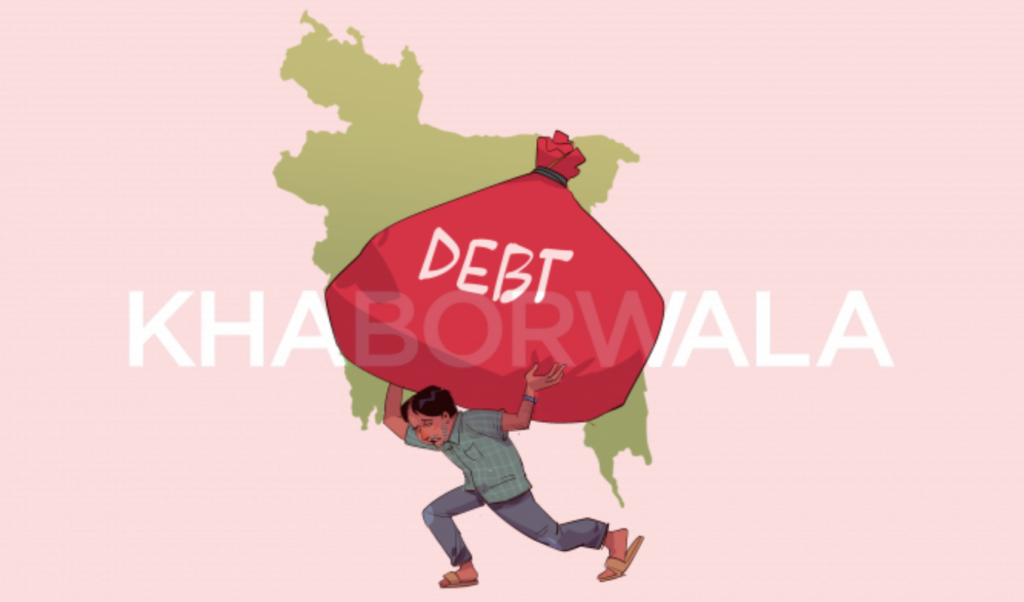
Between March and June of this year, Bangladesh’s external debt increased by USD 7.35 billion, with the majority directed towards the government sector. By the end of June, the combined foreign debt of the public and private sectors reached USD 112.15 billion, compared to USD 104.80 billion in March.
While government borrowing rose sharply during this period, private sector external debt actually declined by USD 110 million.
In June, Bangladesh secured loans from several international financial institutions, including:
- International Monetary Fund (IMF)
- Asian Infrastructure Investment Bank (AIIB)
- Japan
- OPEC Fund
The inflow of funds from development partners was the primary driver behind the rise in public sector foreign debt.
Economists caution that the effective utilisation of these loans must be ensured, as most of the funds are allocated to government projects. They warn that if such borrowing fails to contribute to economic growth or revenue generation, it will become a burden rather than a benefit
The US Federal Reserve recently reduced interest rates by 25 basis points, lowering the benchmark rate to between 4% and 4.25%. This was the first rate cut since December last year.
According to a Bangladesh Bank official, this decision could help Bangladesh repay future external debts at relatively lower interest rates.
Data from Bangladesh Bank shows:
| Period | Private Sector External Debt (USD) | Change |
| March | 19.88 billion | — |
| June | 19.77 billion | ▼ 110 million |
This indicates that repayments exceeded fresh borrowings during the three-month period.
Additionally, in the last fiscal year, imports of capital machinery fell by 25.5%, further reflecting reduced investment activity by private firms.
Economists point to the depreciation of the Taka against the US Dollar as a key factor behind rising business costs. As a result, many private sector entities are now reluctant to seek foreign loans, preferring instead to cut down on exposure to currency risks and higher repayment costs.