The incident occurred in Dewas district, where police launched an investigation following reports of multiple deaths after people consumed suspected spurious liquor. So far, 11 people have been arrested in connection with the case.
However, investigators have yet to establish a direct link between the liquor allegedly produced by the suspects and the 13 deaths. They are awaiting forensic examination results to determine whether the suspected drink contained harmful substances that could have caused the fatalities.
According to a report published by Indian media outlet India Today on Wednesday, 28 October, investigators uncovered details of the alleged operation while examining the circumstances surrounding the deaths.
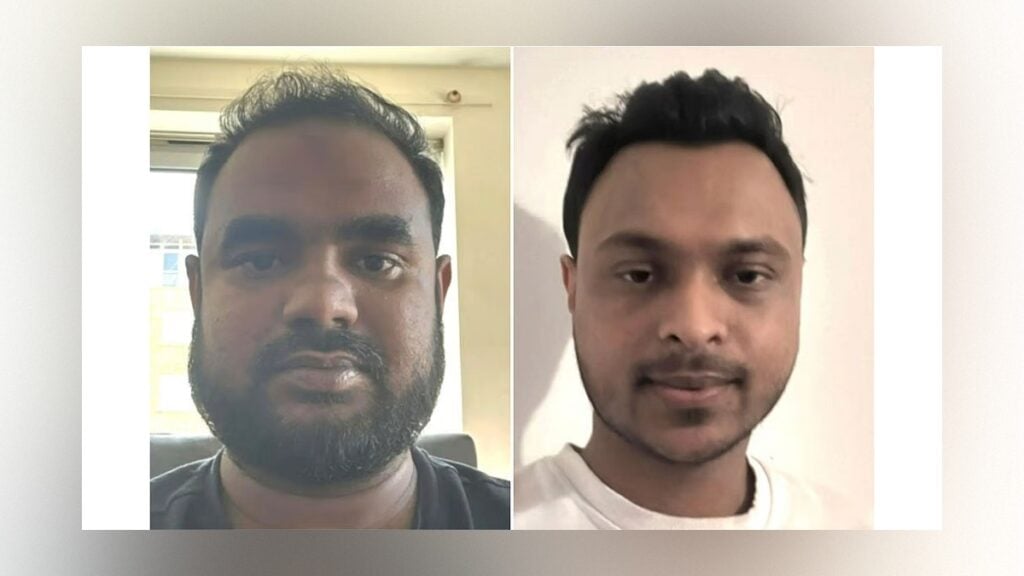
Police have identified the principal suspect as Ajay Rathore, a resident of Indore. According to investigators, Rathore began searching for information about home-based alcohol production using various artificial intelligence platforms between September and 2 October.
Police claim that he used the information obtained from AI tools as an initial guide, although the material was incomplete. He subsequently turned to the internet to identify suppliers of chemicals that could be used in the production process.
Investigators say Rathore eventually contacted a solvent-selling business named Rising Brothers in Indore and obtained a chemical from the company.
According to the police investigation, Rathore and his associates allegedly used the chemical to produce liquor illegally. After receiving the substance on 1 October, they reportedly began filling discarded and old liquor bottles with the liquid before selling it.
Investigators also suspect that the group mixed counterfeit liquor with genuine alcoholic beverages and distributed the products in rural areas. Such practices could have made it difficult for consumers to distinguish between genuine and adulterated drinks, increasing the risk of unsuspecting people consuming potentially dangerous substances.
Police have also arrested Aman Kasliwal, another Indore resident, over his alleged involvement in supplying the chemical used in the operation. Investigators are examining the roles of the arrested individuals to establish how the alleged production and distribution network functioned.
As part of the investigation, police have sealed the warehouse from which the chemical was reportedly obtained. Samples have been collected from the premises for further examination.
Authorities are also preparing to send samples of the suspected illicit liquor to a forensic laboratory. The tests are expected to help establish the chemical composition of the drink and determine whether it contained substances associated with serious poisoning.
The investigation is particularly focused on establishing whether the chemical obtained by the suspects was used in the alleged counterfeit liquor production and whether its consumption could explain the deaths.
The case has raised concerns about the dangers of illegally manufactured alcoholic beverages and the potential consequences of using unverified online information to carry out activities involving hazardous chemicals.
Alcohol produced outside regulated manufacturing processes may contain harmful substances or unsafe chemical mixtures. Without proper quality control and testing, consumers have little way of knowing what they are drinking.
Although AI tools can provide information on a wide range of subjects, their responses are not necessarily complete, accurate or safe to follow. The Dewas incident has brought renewed attention to the risks of relying on unverified AI-generated information, particularly when dealing with chemical substances.
For now, investigators are waiting for forensic findings to establish whether the suspected counterfeit liquor was responsible for the 13 deaths. Until those results are available, the alleged connection remains under investigation.