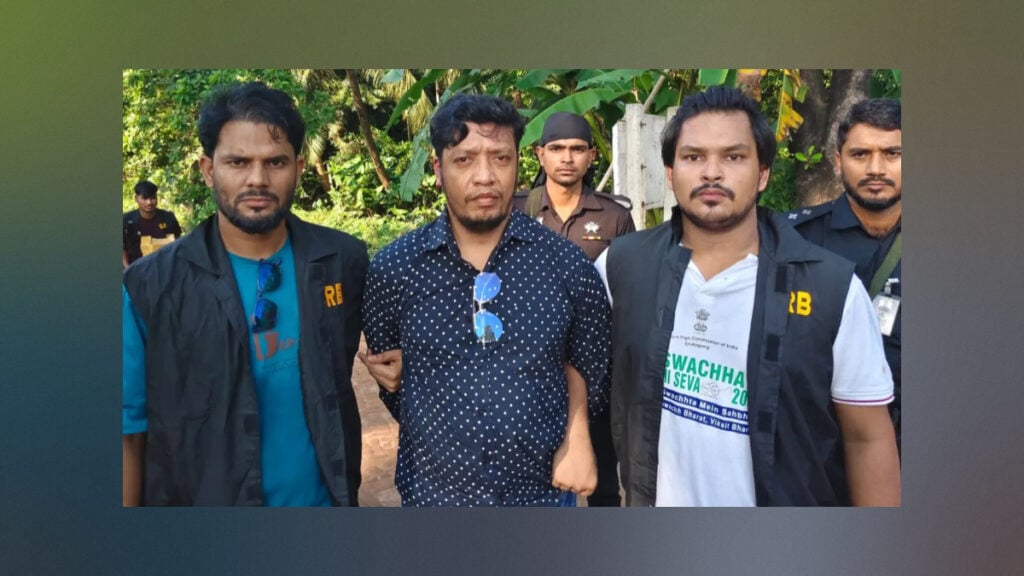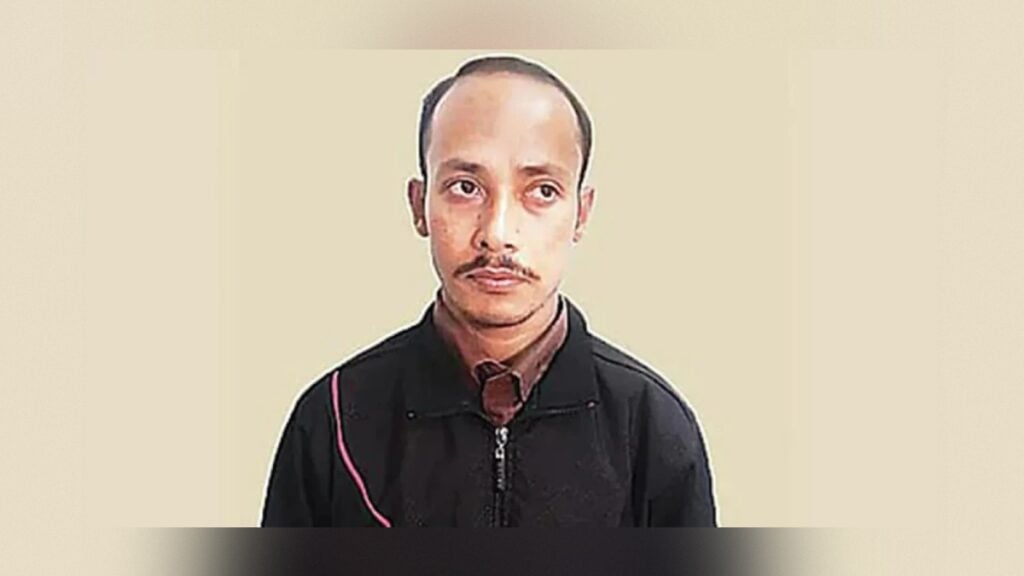
He was handed over to Bagerhat police from Kashimpur High Security Central Jail in Gazipur at around 2pm on Tuesday. His return home is being arranged following his release under the temporary parole arrangement.
Farazi is a resident of Kumarakhali, under Mongla municipality in Bagerhat district. He has spent nearly 18 years behind bars after being convicted in a murder case in India, despite becoming entangled in the case because of a similarity in names.
Bagerhat District Jail Superintendent Md Mostafa Kamal said Farazi was brought to Bagerhat District Jail under police escort after his release from Kashimpur High Security Central Jail. Authorities are now working to reunite him with his family.
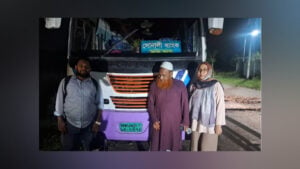
The jail superintendent said arrangements were under way to take Farazi to his relatives, although it had not yet been confirmed whether he would reach his village home in Mongla on Tuesday or Wednesday.
Farazi’s ordeal began when he travelled to India as a visitor. During his trip, he went to see the Taj Mahal but was subsequently caught up in a murder case in Delhi because his name matched that of the person sought in connection with the crime. He was later convicted and sentenced to life imprisonment.
The case led to years of uncertainty and imprisonment. Farazi spent approximately 10 years in an Indian prison before being brought back to Bangladesh in 2018 under a prisoner exchange agreement between the two countries.
His return to Bangladesh, however, did not immediately bring freedom. He remained incarcerated in a Bangladeshi prison, serving the sentence imposed in connection with the Indian murder case. His imprisonment continued for several more years, keeping him separated from his family and home.
The four-week parole will now allow him to spend time with his relatives after nearly two decades of confinement. His release marks a significant moment for his family, who have endured years of separation while he remained in custody.
Cases involving mistaken identity can have devastating consequences, particularly when criminal proceedings cross national borders. Farazi’s experience highlights the human cost of an identification error and the prolonged difficulties that can arise when a conviction in one country continues to affect a person’s legal status after repatriation.
Although his temporary release offers an opportunity to reunite with his family, details of his legal status after the four-week parole period have not yet been disclosed. For now, his immediate priority is to return to his village and spend time with the family from whom he has been separated for nearly 18 years.