A comprehensive audit into the operations of Dhaka Mass Rapid Transit Company Limited (DMTCL) has exposed systemic financial accounting failures, including the misclassification of hundreds of crores of taka in fare revenue and the omission of substantial foreign debt obligations. The findings present a stark contrast to the operational success of Dhaka’s premier mass transit line, which has reshaped urban mobility across the capital while struggling with basic fiscal governance.
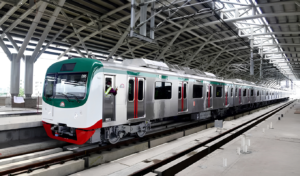
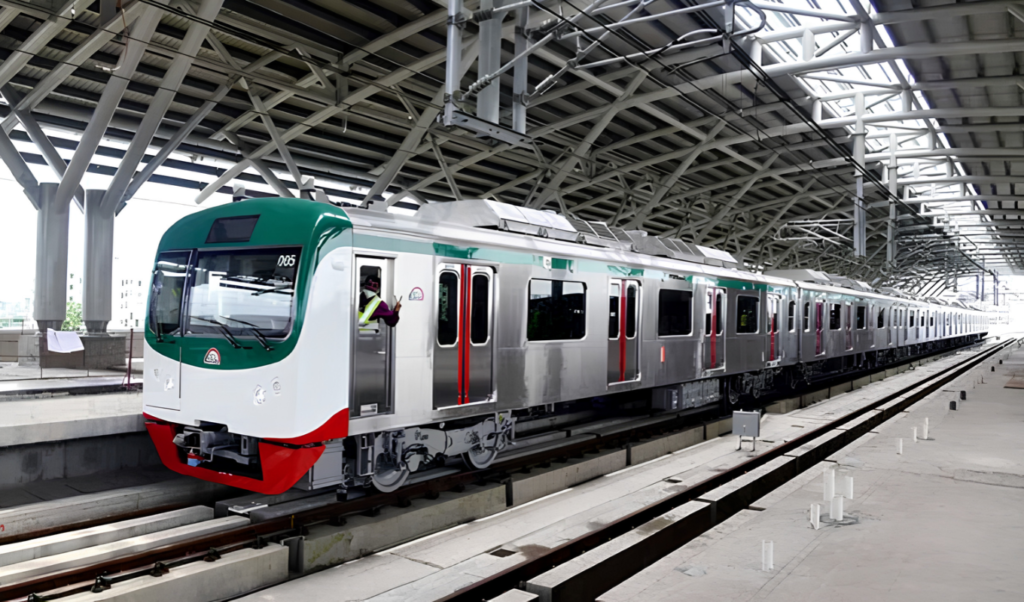
The MRT Line-6 project, built at a cost of BDT 33,000 crore to connect Uttara directly with Motijheel, carries up to 400,000 passengers daily. During the 2024-25 financial year, the network transported over 70 million commuters, generating BDT 674 crore from ticket sales. However, auditors discovered that DMTCL failed to record this BDT 674 crore sum as earned revenue, instead listing the entire ticket income as a corporate liability in its annual financial statements. Despite treating the sales revenue as a debt, the company nevertheless paid out BDT 6 crore in commission fees to the Dhaka Transport Coordination Authority (DTCA).
Financial scrutiny further revealed significant omissions regarding the company’s capital structure and debt obligations. While DMTCL maintains an authorised paid-up capital target of BDT 500 crore, shareholders have contributed merely BDT 40 crore, leaving an unresolved capital shortfall of BDT 460 crore. On the liability side, the company reported only BDT 153.75 crore in loans extended by the Bangladesh government. It completely omitted its massive principal and interest liabilities owed to foreign lenders, primarily the Japan International Cooperation Agency (JICA). Essential operational expenditure—including electricity bills, utility charges, licence fees, and routine maintenance costs—was also left out of the financial records.
Auditors also flagged unverified assets and missing documentation across multiple projects under the company’s purview. Two Fixed Deposit Receipts (FDRs) valued at BDT 11 lakh were listed as active assets, yet banking records provided no physical or documentary evidence of their existence. Additionally, while DMTCL manages five ongoing mega projects, auditors were unable to locate any financial statements or accounts for these initiatives for the fiscal year in question.
Transportation expert Dr Shamsul Hoque expressed deep concern over the audit findings, pointing to a lack of technical leadership within the state-owned enterprise. He observed that misrepresenting fare revenue as a liability represents an extraordinary accounting anomaly, suggesting that non-technical bureaucratic management had undermined a world-class infrastructure system built with Japanese expertise. Dr Hoque urged the government to intervene promptly and called on the Parliamentary Standing Committee to hold DMTCL leadership accountable to restore financial transparency.
A detailed breakdown of the audit findings and key financial metrics is set out below:
| Metric / Audit Parameter | Reported Figure / Detail | Identified Discrepancy or Audit Finding |
| Ticket Sales Revenue (FY 2024-25) | BDT 674 crore | Misclassified as a corporate liability instead of operational revenue |
| Commission Paid to DTCA | BDT 6 crore | Disbursed despite classifying ticket sales revenue as a liability |
| Annual Passenger Volume (FY 2024-25) | Over 70 million passengers | High revenue potential compromised by accounting misreporting |
| Daily Commuter Average | Up to 400,000 passengers | Commuter volume failed to translate into compliant corporate books |
| Infrastructure Project Cost | BDT 33,000 crore | Capital investment affected by systemic administrative oversight |
| Registered Paid-up Capital | BDT 500 crore | Target capital structure established for company operations |
| Actual Paid-up Capital Contribution | BDT 40 crore | Shareholders failed to deposit BDT 460 crore of required capital |
| Recorded Government Loan | BDT 153.75 crore | Only state loan portion acknowledged in official financial statements |
| Foreign Loan Liabilities | JICA and foreign lenders | Principal debt and accrued interest obligations omitted entirely |
| Unverified Fixed Deposit Receipts | BDT 11 lakh (2 FDRs) | Listed on balance sheet without physical or banking confirmation |
| Ongoing Project Accounting | 5 active projects | Total absence of financial statements for the fiscal year |
| Omitted Operational Expenses | Power, utilities, licence fees | Fundamental daily running costs excluded from annual accounting |
The failure to maintain accurate financial ledgers threatens to overshadow the transformative impact of the metro rail on Dhaka’s daily commute. Without structural reforms in financial governance and qualified technical oversight, managing the long-term debt servicing and operational overheads of this massive infrastructure investment will pose a serious challenge for the state.