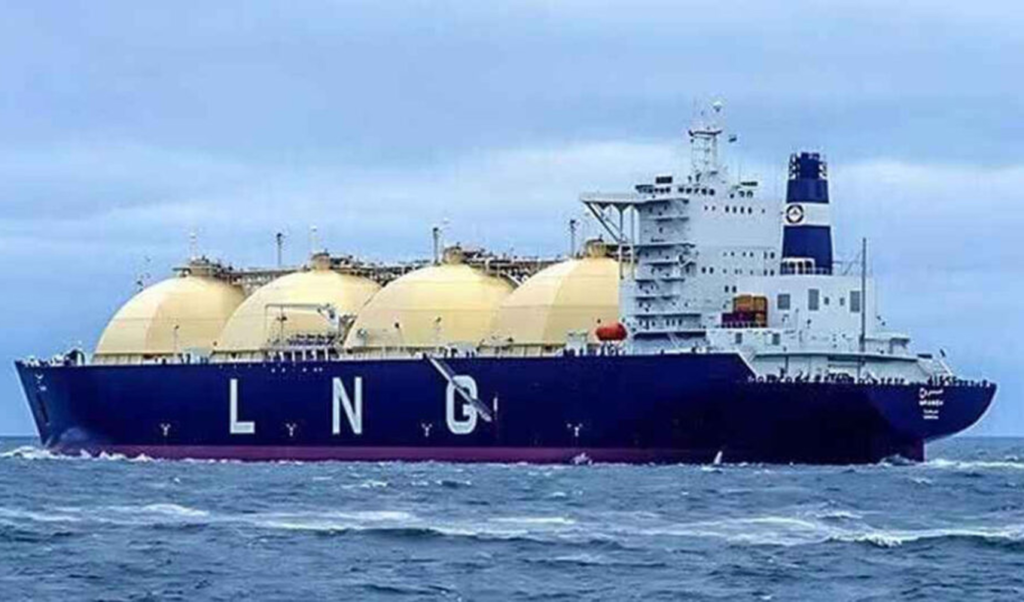
In a bid to stave off mounting energy deficits across the country, the Bangladesh government has approved a proposal to procure 14 cargoes of Liquefied Natural Gas (LNG) through direct purchasing mechanisms, completely bypassing the standard open tender process. The decision was taken during a meeting of the Cabinet Committee on Economic Affairs on Wednesday, 19 August, presided over by Finance Minister Amir Khasru Mahmud Chowdhury.
Emergency Procurement Framework
The Energy and Mineral Resources Division submitted the emergency procurement proposal, citing pressing national requirements and the imperative to maintain grid stability. Under the approved framework, the government will purchase two LNG cargoes each from seven selected international suppliers, bringing the total order to 14 shipments.
Officials confirmed that the direct procurement will be executed in full compliance with existing statutory guidelines governing emergency state purchases. Specifically, the transaction will be processed under Section 68 of the Public Procurement Act 2006, alongside Rules 97, 98, and 107 of the Public Procurement Rules 2025. These provisions grant the government legal authority to bypass lengthy competitive bidding when rapid intervention is required to safeguard public interest and national energy security.
National Energy Crisis and Supply Strain
The cabinet’s intervention comes at a critical juncture for Bangladesh’s domestic energy network, which has been grappling with severe supply disruptions. The national transmission grid relies heavily on imported LNG to supplement domestic natural gas production, which has steadily declined in recent years. Recent technical shutdowns and logistics delays at the country’s two Floating Storage and Regasification Units (FSRUs) off the coast of Moheshkhali have severely depleted buffer stocks, forcing industrial manufacturing hubs, fertilizer plants, and power stations to operate under sharp pressure reductions.
By securing these 14 cargoes directly, state authorities aim to restore fuel flow to the twin floating terminals, thereby stabilizing the national transmission network. The Cabinet Committee on Economic Affairs formally recommended the policy approval after evaluating the proposal, paving the way for the Rupantarita Grammeen Power Company Limited (RPGCL)—the Petrobangla subsidiary responsible for overseeing LNG imports—to finalize execution and arrival schedules with the designated international vendors.