Health authorities in Bangladesh have reported four further deaths from dengue fever in the latest 24-hour period, pushing the national mortality toll for the current year beyond the grim threshold of 300. Alongside these fatalities, a record 2,193 patients were admitted to hospitals across the country in a single day—marking the highest daily tally recorded so far this year and underlining the growing severity of the outbreak.
According to data released on Sunday by the Directorate General of Health Services (DGHS), the nationwide total of fatal dengue cases now stands at 303. The casualty rate has climbed dramatically in recent months, with 58 deaths recorded during the first ten days of October alone. This rapid rise follows a devastating September, which proved to be the deadliest month of the year so far with 148 lives lost. Earlier in the year, dengue claimed 43 lives in August, 36 in July, 13 in June, and one in May, while January and February each registered two fatalities.
The pressure on medical facilities continues to escalate rapidly. Over the 24 hours to Saturday morning, 2,193 newly infected individuals sought hospital admission nationwide. This brings the cumulative number of hospitalised dengue cases in Bangladesh to 99,275 for the year, edging close to the landmark figure of 100,000. On a more encouraging note, medical staff discharged 1,796 patients over the same 24-hour window, bringing the total number of recoveries nationwide to 92,403.
The capital and its surrounding areas remain the epicentre of the transmission wave. The Dhaka Division accounted for nearly half of all recent admissions, recording 1,030 new cases in a single day. Regional Healthcare networks are also straining under the surge, with Khulna reporting 304 admissions, Chittagong recording 293, Barisal receiving 236, and Rajshahi admitting 160 patients. Elsewhere, Mymensingh registered 70 cases, while Rangpur logged 84 admissions.
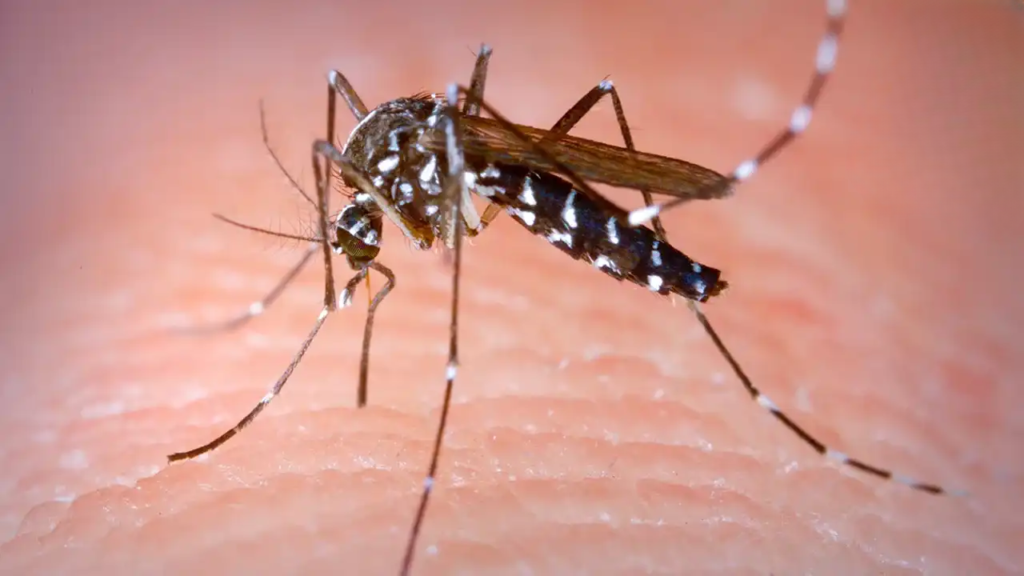
Dengue is a mosquito-borne viral infection transmitted primarily by the Aedes aegypti mosquito, which thrives in stagnant water left behind by monsoon rain. The rapid urban expansion of major metropolitan areas, combined with prolonged rainfall and fluctuating seasonal temperatures, creates ideal breeding grounds for vectors. Health experts repeatedly emphasise that early clinical management, timely hospital admission, and vigorous community-wide vector control measures—such as clearing standing water and destroying mosquito breeding sites—remain vital in stemming the tide of infections and saving lives.