The figures were reported in the Directorate General of Health Services’ (DGHS) regular dengue update published on Wednesday, 28 October.
The latest figures highlight the continuing pressure dengue is placing on the country’s healthcare system. The large number of hospital admissions also underlines the need for timely diagnosis, appropriate medical care and stronger measures to control the spread of the disease.
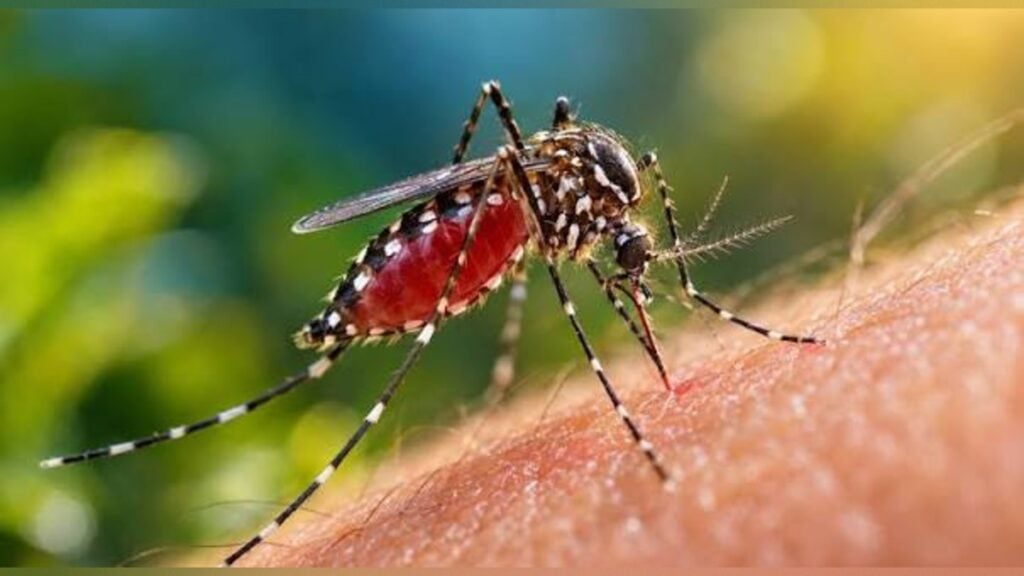
Dengue is transmitted to humans through the bite of infected Aedes mosquitoes, which commonly breed in stagnant water collected in containers around homes and other buildings. Flower pots, discarded bottles, uncovered water tanks and other objects that retain water can become breeding grounds if they are not cleaned regularly.
Health awareness and preventive action remain essential in reducing the risk of infection. Households are advised to inspect their surroundings frequently, remove stagnant water and keep water-storage containers properly covered. Using mosquito nets, wearing clothing that covers the body and applying suitable mosquito repellents can also help protect against mosquito bites.
People who develop a fever should seek medical advice rather than dismissing the symptoms. Dengue can sometimes lead to serious complications, and a patient’s condition may deteriorate even after the fever begins to subside. Severe abdominal pain, persistent vomiting, bleeding, breathing difficulties or unusual weakness are warning signs that require urgent medical attention.
The latest report does not provide a breakdown of the nine deaths by location, age group or other demographic categories, nor does the supplied information specify the cumulative number of infections and fatalities so far this year.
The daily figures therefore offer only a snapshot of the current situation. Continued monitoring by health authorities, prompt treatment for patients and effective mosquito-control measures are essential to limit further infections and prevent avoidable deaths.
Public cooperation will also be crucial. Regularly removing mosquito breeding sites, maintaining clean surroundings and seeking medical care when symptoms appear can help reduce the burden of dengue on individuals, families and hospitals.