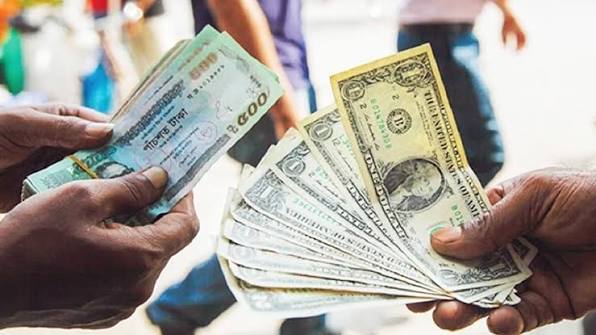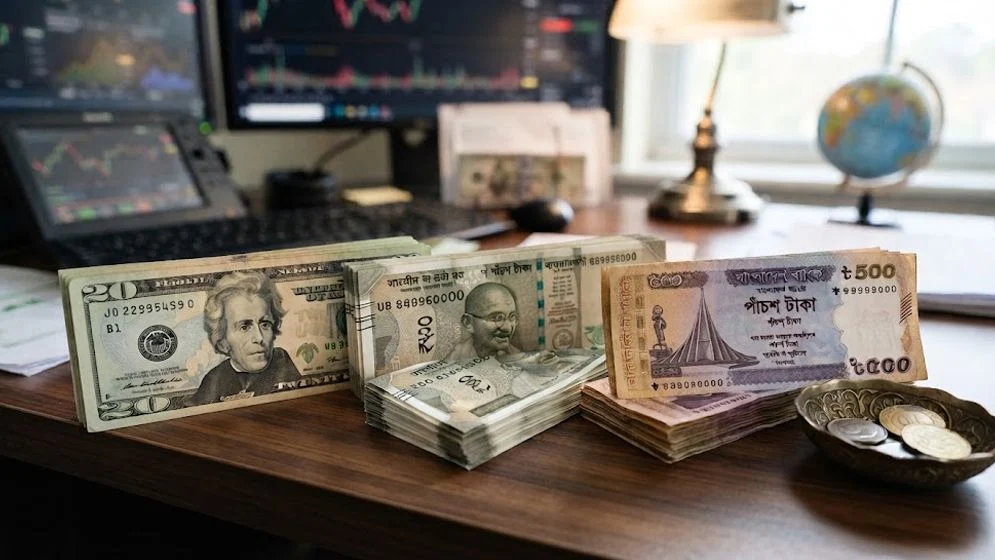
Bangladeshi currency has demonstrated marked resilience, appreciating against both the US dollar and the Indian rupee following a sustained period of depreciation.
According to latest figures from Bangladesh Bank, the Bangladeshi taka (BDT) reached its strongest position against the US dollar in five and a half years. The shifting dynamic marks a notable departure from recent fiscal trends, driven by a surge in overseas remittance inflows, improved domestic dollar availability, and growing foreign exchange reserves.
Data released by the central bank indicates that between June 2025 and June 2026, the taka appreciated by 0.06 per cent on a point-to-point basis against the US dollar. This upward momentum accelerated further into the late summer, gaining an additional 0.77 per cent between late August and mid-September. During this period, the exchange rate improved from Tk 123.95 per dollar down to Tk 123.00, arresting a multi-year slide.
The shift is significant when viewed against historical movements. In 2021, the exchange rate stood at Tk 85.80 per dollar before rising steadily to peak at Tk 123.95. The recent reversal highlights a fundamental rebalancing in national currency dynamics.
Simultaneously, the taka has strengthened against the Indian rupee (INR). Historically, purchasing 100 Indian rupees required up to Tk 140. That rate has cooled substantially, hovering between Tk 127 and Tk 130, with 1 Indian rupee exchanging for approximately Tk 1.27.
This cross-currency shift is partially attributable to wider international pressures on the Indian economy. Central bank metrics show that by late January 2026, the Indian rupee had depreciated by 6.8 per cent against the US dollar relative to the preceding June. In contrast, the Bangladeshi taka maintained broader stability over the same period, allowing it to capture a favorable cross-rate position against its regional trading partner.
Financial analysts note that stronger remittance channels and bolstered reserves provide crucial support for import payment obligations, particularly for fuel, industrial inputs, and essential food supplies, while simultaneously curbing import-driven inflationary pressures.