Cape Verde’s remarkable debut at the FIFA World Cup has become one of the tournament’s most inspiring stories, with the tiny African island nation not only winning widespread admiration for its performances on the pitch but also securing a financial reward that could significantly shape the future of football in the country.
Competing in the World Cup for the first time, Cape Verde exceeded virtually all expectations. Despite having a population of just over 550,000, the island nation demonstrated resilience, tactical discipline and fearless determination against some of the world’s most established footballing powers, turning what many expected to be a brief appearance into a memorable campaign.
The team made an immediate impression in its opening match by holding European champions Spain to a goalless draw. The result sent shockwaves through the tournament and highlighted Cape Verde’s defensive organisation and composure under pressure.
Their confidence continued to grow in the second group-stage fixture against Uruguay. After falling behind, Cape Verde produced an impressive comeback to secure a 2-2 draw against the South American heavyweights, earning another valuable point. In their final group match, they held Saudi Arabia to a goalless draw, completing the group stage unbeaten and sealing a historic place in the knockout rounds.
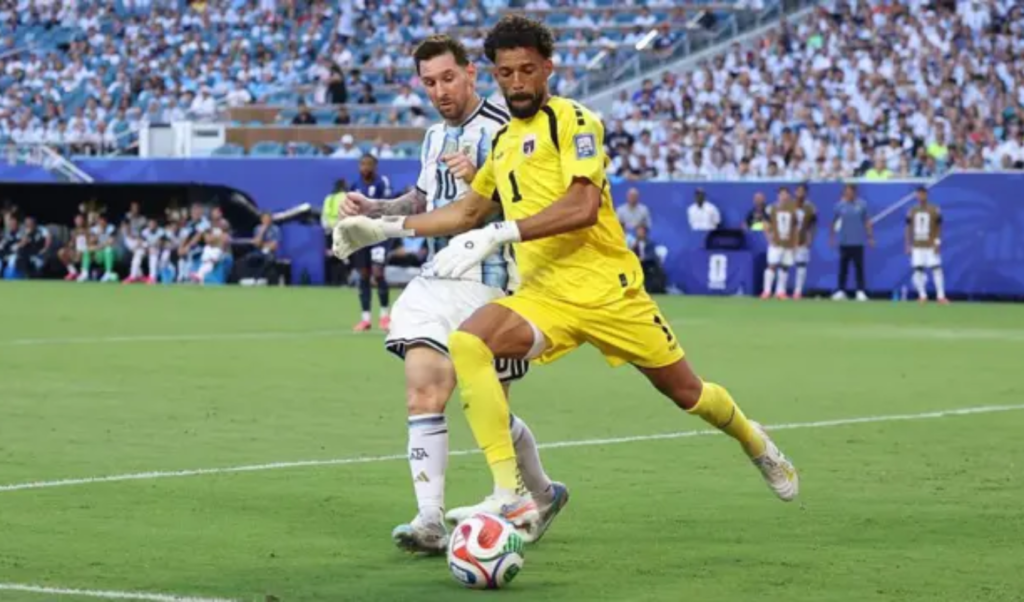
Reaching the last 32 was already an extraordinary achievement for a nation with limited footballing resources compared with many of its rivals. Yet Cape Verde refused to be overawed when they faced reigning world champions Argentina in the knockout stage.
The match proved to be one of the most entertaining contests of the round. Cape Verde twice came from behind to level the score against the defending champions, displaying remarkable character and belief throughout the encounter. Their fairytale journey eventually came to an end in extra time when an own goal in the 111th minute handed Argentina a dramatic 3-2 victory.
Although eliminated, Cape Verde left the tournament with their reputation significantly enhanced. Their spirited displays earned praise from supporters, pundits and football observers, who hailed the team’s courage and competitive spirit throughout the competition.
The rewards for their historic campaign extend well beyond sporting recognition. FIFA has allocated a total prize fund of 871 million US dollars for the 48 participating teams at the 2026 FIFA World Cup, representing an increase of around 15 per cent compared with the previous edition of the tournament.
Under FIFA’s prize distribution structure, every participating nation receives 10 million US dollars simply for qualifying for the World Cup. An additional 2.5 million US dollars is provided to help cover preparation costs, travel expenses and other operational requirements associated with participating in the tournament.
Alongside these payments, FIFA has introduced additional financial assistance aimed at supporting smaller football nations such as Cape Verde. The funding is intended to offset travel, ticketing and organisational expenses, helping ensure that countries with comparatively limited financial resources can compete on a more sustainable footing at football’s biggest event.
Cape Verde will also receive an additional 11 million US dollars for reaching the knockout phase before being eliminated in the round of 32. Altogether, the country’s guaranteed earnings amount to at least 21 million US dollars, equivalent to more than BDT 2.59 billion, or over Tk 259 crore.
The prize money will be paid to the Cape Verde Football Federation, which is expected to channel the funds into the long-term development of the sport across the country. Investment plans are likely to focus on improving football infrastructure, strengthening youth development programmes, expanding coaching initiatives and enhancing pathways for emerging talent.
For a nation making its World Cup debut, the financial impact could prove just as significant as the achievements on the pitch. Beyond the memorable performances and global recognition, the tournament has provided Cape Verde with an unprecedented opportunity to invest in the future of its football ecosystem.
The country’s fairytale run may have ended in the knockout stage, but the legacy of its historic first World Cup appearance is likely to endure for years to come, both through the inspiration it has provided and the substantial resources now available to help nurture the next generation of Cape Verdean footballers.