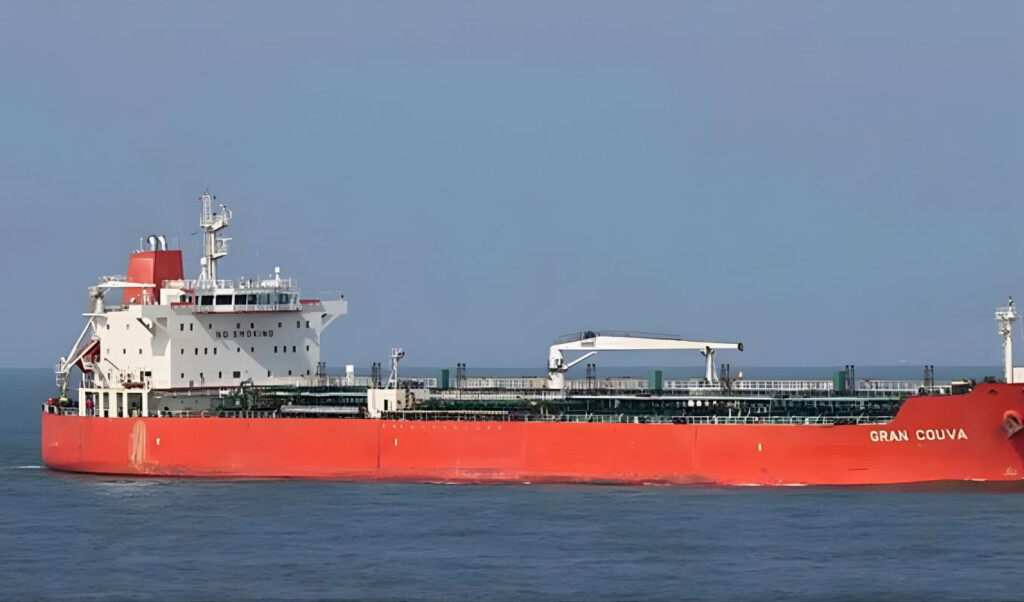
A vessel carrying around 30,000 tonnes of refined petroleum products has arrived at Chattogram Port, further bolstering Bangladesh’s national fuel reserves amid ongoing distribution pressures. The shipment, delivered under a commercial agreement with a Chinese supplier, is expected to ease short-term supply constraints across key consumption sectors.
The vessel, identified as MT Gran Cuva, brought in approximately 10,000 tonnes of diesel and 20,000 tonnes of jet fuel. The cargo was supplied by Unipec, a trading subsidiary linked to China’s energy sector, under an existing import arrangement. According to official sources from the Bangladesh Petroleum Corporation (BPC), the vessel docked on Thursday, with unloading operations scheduled to begin on Friday, 27 March.
A senior official of BPC confirmed that national diesel reserves stood at around 200,000 tonnes prior to the arrival of the new consignment. The additional supply is expected to strengthen distribution capacity for both transport and industrial demand. Jet fuel from the shipment will be allocated to airports across the country to support aviation operations.
BPC currently manages imports and distribution of five major fuel categories, including diesel, petrol, octane, and jet fuel. Authorities indicate that existing stock levels, combined with pipeline reserves, are projected to sustain national demand through April.
However, despite assurances of adequate reserves, market observers and users report ongoing distribution challenges. Diesel supply for lighter vessels operating in the Chattogram port channel, as well as fishing trawlers, is reportedly being rationed. In addition, several petrol stations have been unable to meet full consumer demand, leading to intermittent shortages and operational disruptions in transport and commercial activities.
Industry stakeholders argue that these localized shortages are affecting logistics chains and raising operational costs, particularly in freight and fisheries sectors, even though national stock figures appear stable on paper.
Fuel Shipment Overview
| Category | Quantity (tonnes) | Intended Use Area | Status/Notes |
|---|---|---|---|
| Diesel | 10,000 | Transport and industrial sectors | Newly arrived, pending discharge |
| Jet Fuel | 20,000 | Domestic airports | To be supplied to aviation hubs |
| Existing Diesel Stock | ~200,000 | Nationwide distribution | Prior to shipment arrival |
| Pipeline Supply | Not specified | National grid and depots | Supports short-term stability |
Officials maintain that there is no immediate fuel crisis, though distribution efficiency and regional allocation continue to draw concern from end users.