A child has died after developing symptoms consistent with measles during the past 24 hours, as Bangladesh continues to grapple with a sustained surge in infections and suspected cases among children.
According to the latest measles situation report released by the Directorate General of Health Services (DGHS) on Friday (17 July), one child died with symptoms associated with measles over the previous day. Health authorities said no deaths were laboratory-confirmed as being caused directly by measles during the same reporting period.
The report highlights that the disease continues to place significant pressure on the country’s healthcare system. Over the past 24 hours, a total of 1,013 children were identified as either confirmed measles patients or individuals showing symptoms consistent with the viral infection.
Among them, 140 children were confirmed to have contracted measles through clinical or laboratory assessment, while 873 others were reported as suspected cases based on symptoms. The combined figure underscores the continued spread of the disease and the importance of close surveillance, early diagnosis and timely medical care.
The cumulative figures since 15 March paint an even more concerning picture. During this period, 685 children have died after developing symptoms suggestive of measles, while 95 children have died following confirmed measles infections. In total, 780 child deaths have been recorded in connection with confirmed measles or measles-like symptoms since the outbreak intensified in mid-March.
Hospital admissions have also remained high throughout the outbreak. The DGHS said that 98,600 measles patients have been admitted to hospitals nationwide since 15 March. Of those patients, 95,031 have recovered sufficiently to be discharged and return home, indicating that while most children receiving treatment survive, the volume of cases continues to place a heavy burden on hospitals and healthcare workers.
Measles is a highly contagious viral disease that spreads through respiratory droplets when an infected person coughs or sneezes. Young children, particularly those who have not received the recommended vaccinations, are at greater risk of developing severe complications. These may include pneumonia, dehydration, encephalitis and, in some cases, death.
Public health officials continue to monitor the evolving situation through daily surveillance and hospital reporting. The latest figures suggest that transmission remains active in many parts of the country, with hundreds of new suspected infections being recorded every day.
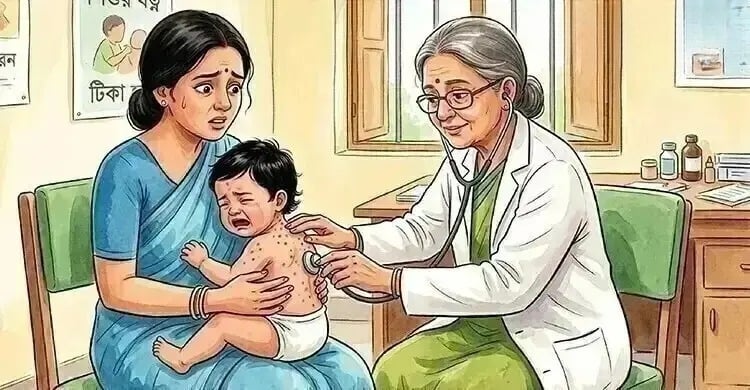
Health authorities have repeatedly urged parents and guardians to seek medical attention promptly if children develop symptoms such as fever, rash, cough, runny nose or red eyes. Early diagnosis and supportive treatment can help reduce the risk of severe complications, while continued vaccination efforts remain the most effective measure for preventing the spread of measles and protecting vulnerable children.