Supply Disruptions Fear Sparks Market Rally
Global crude oil values have surged by over $3 per barrel as escalating geopolitical friction in the Middle East stokes severe anxieties over international supply continuity. The sharp market reaction followed reports of a new military offensive by Israel and sudden explosions inside Iranian territory.
Figures released by the Reuters news agency indicated that on Monday (8 June), Brent crude oil futures climbed by $3.20, representing a 3.39 per cent increase, to reach $96.24 per barrel. Simultaneously, West Texas Intermediate (WTI) crude futures in the United States grew by $2.87, or 3.17 per cent, trading at $93.41 per barrel.
| Crude Oil Classification | Incremental Rise | Percentage Increase | Current Price (Per Barrel) |
| Brent Crude | $3.20 | 3.39% | $96.24 |
| US WTI | $2.87 | 3.17% | $93.41 |
Explosions Deflate Hopes of De-escalation
This upward trajectory directly reverses the market correction observed last Friday, when oil prices drifted lower on mounting expectations that bilateral tensions between Washington and Tehran were cooling. Notwithstanding that temporary decline, crude oil indices have rallied by more than 50 per cent overall since March.
The outlook darkened early on Monday morning when the sound of explosions reverberated across the Iranian capital, Tehran, alongside the cities of Tabriz and Isfahan. These events have undermined confidence in a swift conclusion to the ongoing hostilities. Concurrently, they have diminished expectations of keeping the Strait of Hormuz completely operational—a vital maritime gateway that facilitates the transit of roughly one-fifth of global oil volumes.
Diplomatic Maneuvers and Ceasefire Demands
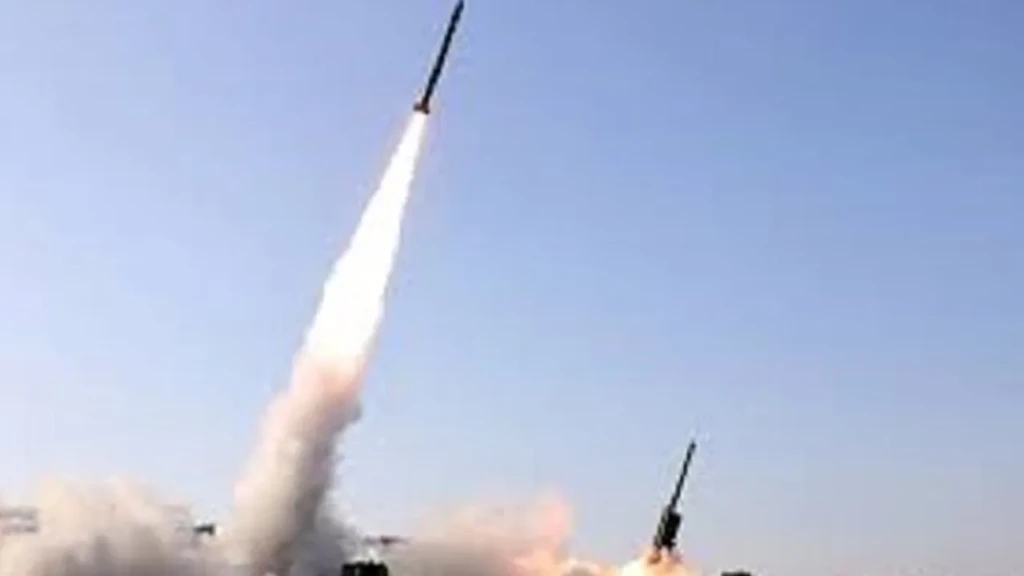
The latest volatility follows a series of missile strikes launched by Iran against various targets inside Israel on Sunday. Despite these actions, US President Donald Trump maintained that a comprehensive settlement to halt the wider confrontation remains viable, adding that he has personally called on Israeli Prime Minister Benjamin Netanyahu to avoid initiating further military actions.
Conversely, Iran continues to treat a fully implemented ceasefire in Lebanon as a core benchmark for any broader diplomatic resolution involving the United States. Following cross-border offensives by the Iran-backed group Hezbollah in March, Israeli forces entered Lebanon. Later, diplomatic mediation in Washington led both parties to consent to a formal ceasefire agreement on 3 June.
OPEC+ Decision Meets Market Scepticism
In an attempt to counterbalance potential supply shortfalls, the OPEC+ alliance ratified a declaration on Sunday to expand aggregate oil outputs. While this represents the fourth consecutive time the bloc has voted to raise production ceilings, energy sector analysts remain deeply sceptical.
Experts assert that systemic infrastructure threats at the Strait of Hormuz, combined with severe production capacity deficits across multiple member states, will heavily neutralise the policy’s real-world efficacy.
Reflecting on the situation, Jorge Leon, the Head of Geopolitical Analysis at the prominent energy consultancy Rystad Energy, stated:
“In the current market environment, the actual impact of the decision to increase production is virtually close to zero.”