The Sylhet division is experiencing a worrying resurgence in dengue fever cases, with health authorities confirming new infections over the last 24 hours. Two more individuals tested positive for the mosquito-borne virus, pushing the total number of recorded cases across the region to 73 since the start of the year. The steady rise in infections is triggering fresh anxieties among local communities and public health planners alike.
Dr Mahbubul Alam, the Divisional Director of Health under the Directorate General of Health Services (DGHS) in Sylhet, officially confirmed the updated statistics on Thursday afternoon, 9 July. According to local health dockets compiled since 1 January, whilst many of the infected individuals have successfully recovered and returned home, eight patients remain hospitalised across various state-run facilities and private clinics.
A closer look at the hospitalisation records highlights how the caseload is distributed across regional healthcare networks. At present, the premier public healthcare facility, Sylhet MAG Osmani Medical College Hospital, is treating two dengue patients. Within the private healthcare sector, Mount Adora Hospital and North East Medical Hospital are each managing one active case. Furthermore, Habiganj 250-Bed District Sadar Hospital and Moulvibazar 250-Bed District Sadar Hospital have both admitted one patient apiece. At the sub-district level, medical teams at the Madhabpur Upazila Health Complex and the Lakhai Upazila Health Complex are each monitoring one admitted case.
District-wise statistical breakdowns indicate that Habiganj has emerged as the primary hotspot within the division, documenting the highest volume with 34 confirmed dengue cases. Sunamganj follows with 15 recorded cases, whilst Sylhet district has registered 13. Moulvibazar has remained the least affected so far, reporting eight cases. Beyond the permanent residents of the division, health centres have also identified three patients originating from outside the region, specifically from the Brahmanbaria, Netrokona, and Barisal districts.
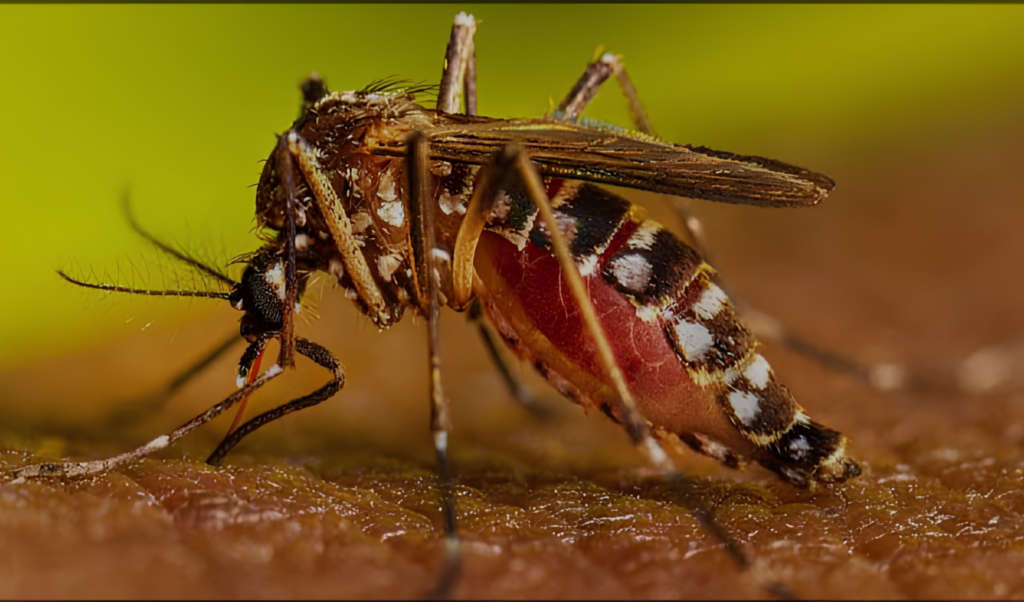
Public health officials are growing increasingly concerned that the arrival of the monsoon season will exacerbate the situation. The seasonal rainfall creates ideal conditions for the Aedes mosquito, which vectors the virus, to breed rapidly in stagnant water. Dr Alam stressed that medical intervention alone cannot stop an outbreak. He urged residents to take proactive measures, such as regularly clearing away stagnant water from rooftops, flowerpots, and domestic spaces. Enhancing community awareness, maintaining strict civic cleanliness, and using mosquito nets remain critical steps to curbing the transmission of the virus.