Health authorities in Manikganj have reported 33 fresh dengue cases within the past 24 hours, signaling an ongoing battle against the mosquito-borne viral infection across the central district. According to the daily bulletin released by the District Health Directorate on Tuesday, 29 September, 29 of the newly diagnosed individuals were admitted to public healthcare facilities, whilst private hospitals and clinics registered four cases. Fortunately, no casualty was reported during this period.
The latest tally pushes the total number of recorded dengue infections in the district to 1,155 since January. Official figures indicate that government hospitals have handled the bulk of the healthcare burden, receiving 861 patients throughout the year. Private clinics and medical facilities accounted for the remaining 294 cases.
A closer examination of the geographic distribution over the last 24 hours highlights widespread transmission across several sub-districts. Manikganj Sadar Hospital admitted five new patients, Harirampur Upazila Health Complex registered seven, and Saturia Upazila Health Complex reported six cases. Meanwhile, Manikganj Colonel Malek Medical College Hospital received seven patients, Shibalay recorded three, Ghior logged one, and the private Monno Medical College Hospital treated four cases.
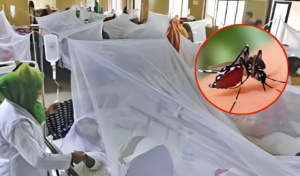
At present, 82 individuals remain admitted across various medical centres in the district, receiving active care. Medical personnel noted that 24 patients were successfully discharged following full recovery over the last 24 hours, bringing the cumulative total of recovered individuals to 1,073. To date, Manikganj has documented a single death linked to dengue complications this year.
The seasonal transmission of dengue in Bangladesh typically peaks during the monsoon and post-monsoon months, driven by the proliferation of the Aedes aegypti vector in stagnant water. Health professionals continue to urge residents to eliminate potential breeding sites around households, clear uncovered containers, and seek prompt medical attention upon experiencing high fever, joint pains, or severe headaches. Local administration teams maintain that vector-control measures and public awareness campaigns are vital to curb further spread across rural and urban communities alike.