Bangladesh recorded two more dengue deaths in the past 24 hours, while 672 newly infected patients were admitted to hospitals across the country, according to the latest figures released by the Directorate General of Health Services (DGHS).
The figures were disclosed in a dengue-related press release issued by the health authorities on Sunday, 9 August. With the latest fatalities, the number of people who have died from dengue in Bangladesh since the beginning of this year has risen to 61.
The latest data also show that dengue infections remain widespread across several parts of the country, with a particularly high number of new hospital admissions reported from Khulna and the two Dhaka city corporations.
Of the 672 patients admitted during the 24-hour period, 140 were reported in Khulna Division, the highest among all the regions listed in the DGHS update. Dhaka North City Corporation recorded 110 new admissions, while 91 patients were admitted from areas under Dhaka South City Corporation.
Chattogram Division reported 88 new patients, followed by Barishal Division with 84. A further 66 patients were admitted from areas of Dhaka Division outside the city corporations. Rajshahi Division recorded 57 admissions, while Mymensingh reported 27.
The number of new hospital admissions was comparatively lower in Rangpur and Sylhet divisions, with five and four cases respectively.
Since the beginning of 2026, a total of 19,345 people have been admitted to hospitals with dengue, according to the DGHS. Of the total patients, 61.5 per cent are male and 38.5 per cent are female. So far, 17,000 patients have recovered and been discharged from hospital.
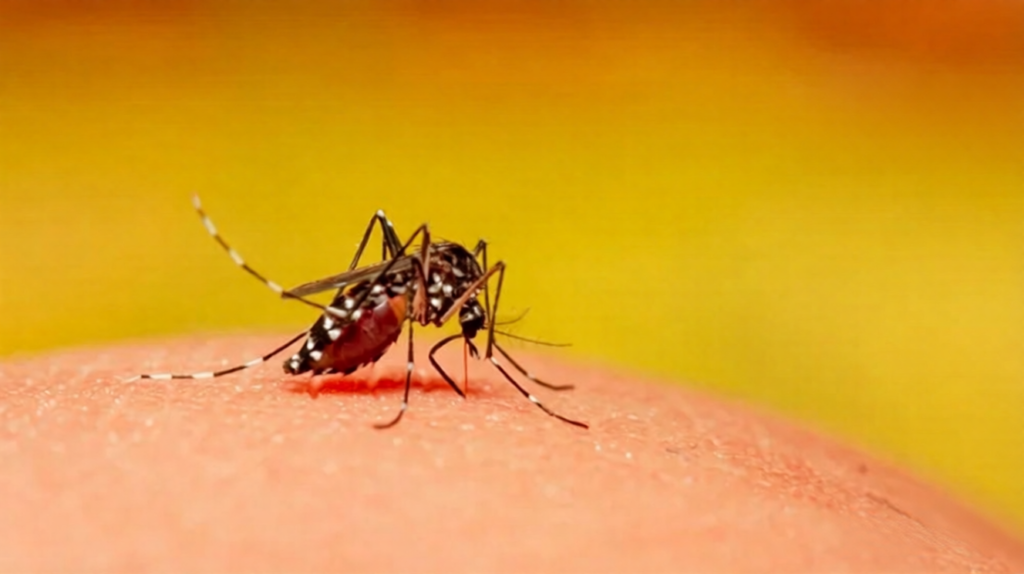
The latest deaths have added to concerns over the continuing spread of dengue, a mosquito-borne viral disease that can become life-threatening in severe cases. The disease is primarily transmitted by infected Aedes mosquitoes, which can breed in stagnant water collected in and around homes, construction sites and other urban areas.
The continuing detection of cases in both metropolitan and regional areas highlights the need for sustained mosquito-control measures and efforts to eliminate potential breeding sites. Regular removal of stagnant water from containers, flower pots, discarded items and other receptacles can help reduce opportunities for Aedes mosquitoes to reproduce.
Health authorities also continue to stress the importance of seeking medical attention when dengue symptoms develop. Fever accompanied by severe body aches, headache, weakness, nausea or other concerning symptoms should not be ignored, particularly during periods of increased transmission.
The latest figures indicate that although a large majority of those infected this year have recovered, dengue continues to place pressure on hospitals and remains a significant public health concern. With 19,345 reported cases, 17,000 recoveries and 61 deaths recorded so far this year, health officials and local authorities face the continuing challenge of controlling transmission while ensuring timely treatment for patients who develop complications.