Published: 06 Dec 2025, 11:50 am

Dhaka, the bustling capital of Bangladesh, is facing a severe air pollution crisis. Since the beginning of December, the city’s air quality has deteriorated sharply, consistently falling into the “very unhealthy” category. As of Saturday morning, Dhaka ranked fourth among the world’s 125 most polluted cities, highlighting the growing environmental challenges the capital faces. Alarmingly, seven key districts have been identified as pollution hotspots, posing an immediate threat to public health.
At 10:30 am today, Dhaka’s air quality index (AQI) stood at 259. By comparison, Baghdad, the capital of Iraq, topped global pollution charts with an AQI of 266. This data was reported by IQAir, a Switzerland-based organisation that monitors air quality worldwide. Their real-time indices provide residents with vital information on the cleanliness or toxicity of the air, allowing for timely precautions.
Interestingly, Friday, the first day of the weekly holiday, saw Dhaka ranked as the second most polluted city in the world. Normally, weekends bring reduced vehicle traffic and limited industrial activity, both major contributors to the city’s smog. Despite these reductions, air quality remains dangerously low, illustrating that the problem is structural and ongoing rather than seasonal.
An AQI above 200 is classified as “very unhealthy,” while a reading above 300 is considered “hazardous.” Dhaka crossed this critical threshold on 28 November, a stark reminder of the city’s escalating environmental challenge. Various government initiatives and projects have been launched over the years to combat air pollution, but implementation remains inconsistent, and daily pollution levels continue to worsen.
Today, the most affected areas in Dhaka include Eastern Housing in Mirpur (AQI 272), Bay’s Edge Water (266), Kallyanpur (245), South Pallabi (236), Gorun (233), Grace International School (230), and Shanta Forum (221). Residents are advised to remain indoors, wear masks if venturing outside, and avoid physical exercise outdoors until air quality improves.
Experts warn that without decisive policy action, air pollution in Dhaka could worsen further, affecting millions of residents and placing the city in perpetual danger from toxic air.

> Axis of Resistance Vows Vengeance for Khamenei
> Iranian Attack Hits Oil Tanker, Four Injured
> Iran Strikes Israel, Eight Killed in Beit Shemesh
> Visa Staff to Receive MetLife Insurance Coverage
> Nazrul Islam Manju Assumes Khulna City Administrator Role
> Banner Vanishes From Kapasia Awami League Office
> Experian Launches AI Insurance Marketplace Within ChatGPT
> Visa Staff to Receive MetLife Insurance Coverage
> Case Filed Against Actor Jaher Alvi
> Acclaimed Singer Eva Rahman Debuts Poetry at Book Fair
> Potential Successors Emerge After Khamenei’s Death
> Biman Resumes Madinah and Jeddah Flights Today

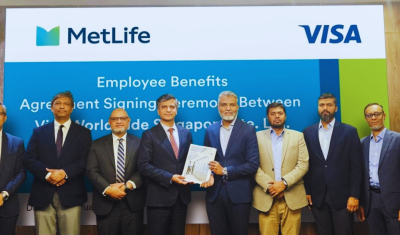
Dhaka, Bangladesh: Visa has signed a strategic partnership with MetLife Bangladesh to provide compre...

Khulna, Bangladesh: Nazrul Islam Manju has officially assumed the role of Administrator of the Khuln...
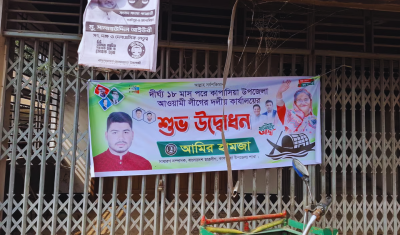
In Kapasia, Gazipur, a banner marking the “grand inauguration” of the local Awami League office myst...

A legal case has been filed against television actor Jaher Alvi and his mother, Nasrin Sultana Shiul...
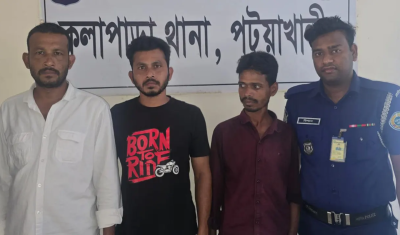
Police in Kalapara, Patuakhali, have arrested three individuals, including a local volunteer group l...
Dhaka, 1 March: National Insurance Day, once marked by elaborate state-sponsored ceremonies and nati...

Following the recent escalation of cross-border attacks between Iran and Israel, which led to the su...

Bangladesh national cricketer Mushfiqur Rahim, who had travelled to Saudi Arabia to perform the Umra...
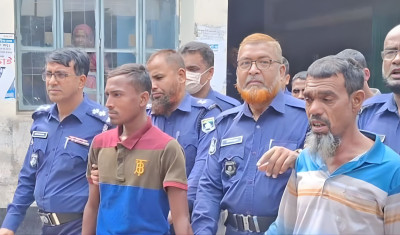
In a harrowing development in Narsingdi, the court has granted an eight-day remand for seven individ...

In a dramatic turn of events in Natore, a local youth leader has been arrested for attempting to ext...
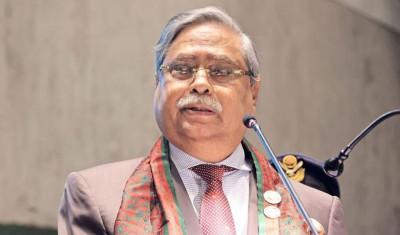
In a significant development, President Mohammad Sahabuddin has urged the Public Service Commission...
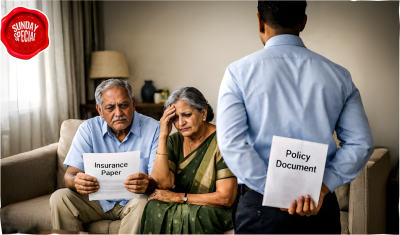
For decades, India has struggled silently with a widespread financial scandal: insurance mis-selling...


Availabe for iphone & ipads

Available in google play
 বাংলা
বাংলা