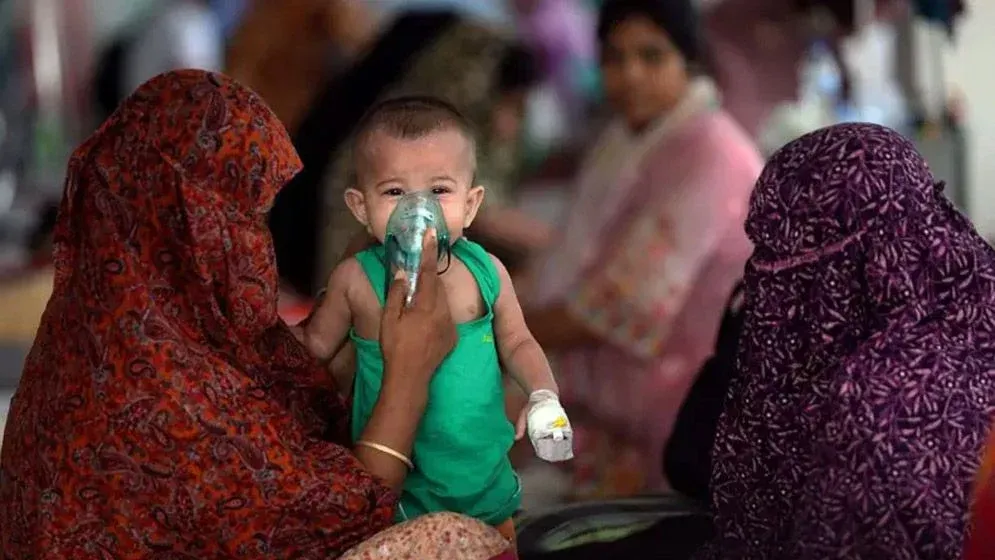
Eight more individuals displaying symptoms of measles have died across Bangladesh in the 24 hours leading to Saturday morning, highlighting the increasing severity of the ongoing public health crisis. Official statistics reveal that all eight latest fatalities were reported within the capital city, Dhaka.
According to the regular health bulletin issued by the Directorate General of Health Services (DGHS) on Saturday (3 October), the national mortality burden associated with the viral infection has now reached 1,122. This total includes 102 laboratory-confirmed measles deaths and 1,020 deaths attributed to severe measles symptoms since the onset of the current outbreak earlier this year.
Hospital admissions continue to surge nationwide, placing immense pressure on healthcare infrastructure. Over the latest 24-hour reporting period, a total of 1,153 new patients presenting with measles symptoms were admitted to various medical centres across the country. A regional analysis of these fresh admissions highlights the heavy concentration of cases in urban and densely populated areas:
-
Dhaka Division: 444 new admissions
-
Chittagong Division: 224 new admissions
-
Sylhet Division: 158 new admissions
-
Barisal Division: 138 new admissions
-
Khulna Division: 73 new admissions
-
Mymensingh Division: 49 new admissions
-
Rangpur Division: 39 new admissions
-
Rajshahi Division: 24 new admissions
Tracking of the outbreak began in earnest on 15 March. Since that date, healthcare facilities have recorded a cumulative total of 1,95,197 suspected measles cases across the country. Laboratory testing and clinical evaluations have officially confirmed 21,666 of these cases to be positive for the measles virus.
Despite the high casualty figures, recovery rates at medical facilities remain notable. DGHS records confirm that out of 1,73,024 symptomatic patients admitted to hospitals since mid-March, 1,67,756 individuals have successfully received treatment and been discharged.
Measles remains one of the most contagious airborne viral diseases worldwide, primarily spread through respiratory droplets when an infected person coughs or sneezes. While preventable through the administration of two doses of the measles-rubella (MR) vaccine, coverage gaps—often exacerbated by logistics challenges and delayed health-seeking behaviour—leave young children particularly vulnerable to severe complications such as pneumonia, encephalitis, and fatal dehydration. Public health experts continue to urge parents to ensure complete immunisation for children and seek immediate hospital care upon the appearance of high fever and characteristic skin rashes.