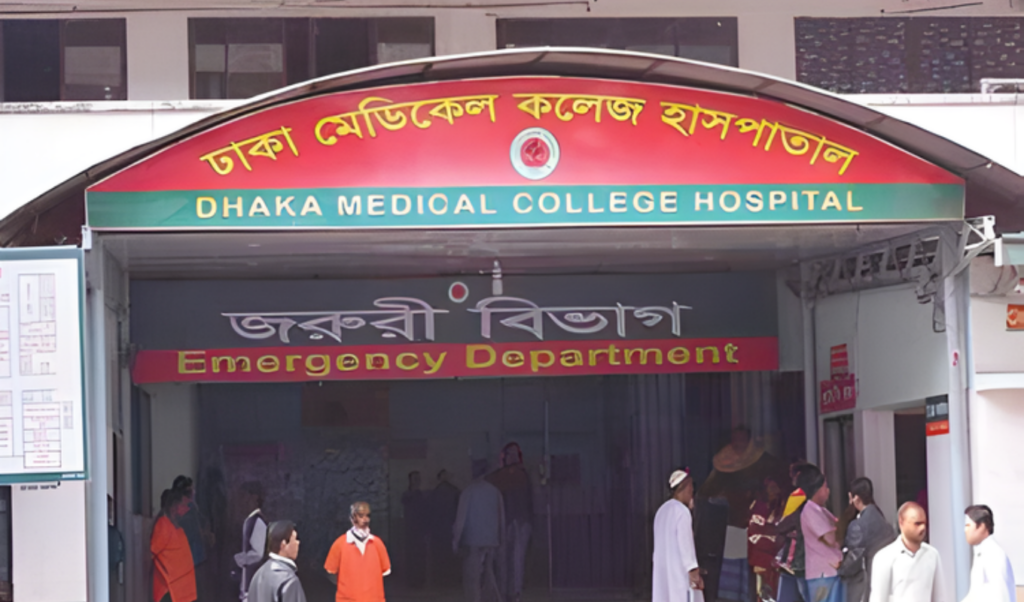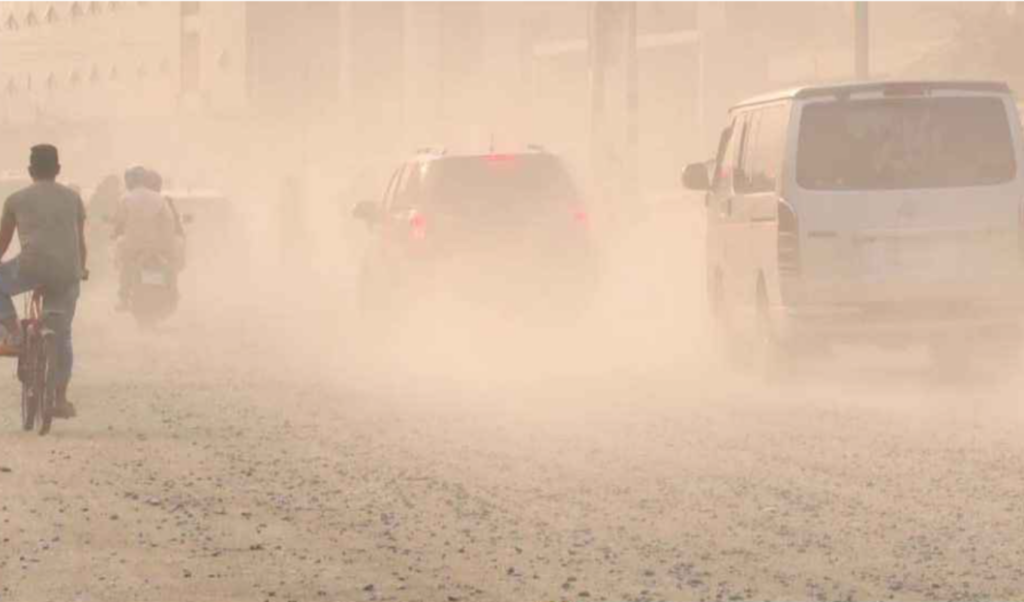
Dhaka, Bangladesh’s sprawling megacity, has once again claimed the unenviable position of the world’s most polluted city as of early Tuesday morning. Residents woke to hazardous air quality, raising immediate health concerns, particularly for children, the elderly, and those with respiratory conditions.
According to real-time data from international air quality monitoring organisation IQAir, Dhaka’s Air Quality Index (AQI) has been recorded at 241, a level categorised as “very unhealthy.” This designation signals severe health risks for the population, requiring vulnerable groups to remain indoors and for the general public to minimise outdoor activity. Although air quality in Dhaka had shown intermittent improvement in recent weeks, pollution levels have surged again to alarming levels.
Regional Air Quality Comparison
Dhaka is closely followed by several major South Asian cities experiencing high pollution levels. The current top five cities, based on Tuesday’s AQI readings, are:
| Rank | City | Country | AQI Score | Health Category |
|---|---|---|---|---|
| 1 | Dhaka | Bangladesh | 241 | Very Unhealthy |
| 2 | Delhi | India | 218 | Very Unhealthy |
| 3 | Lahore | Pakistan | 215 | Very Unhealthy |
| 4 | Kathmandu | Nepal | 192 | Unhealthy |
| 5 | Yangon | Myanmar | 171 | Unhealthy for Sensitive Groups |
IQAir’s AQI scale indicates that a score of 0–50 represents “good” air quality, while 201–300 is considered “very unhealthy,” creating serious health risks for sensitive groups. A further escalation to 301–400 is deemed “hazardous,” posing severe risks even for healthy individuals.
Health Implications
Experts warn that with AQI levels in the “very unhealthy” range, children, the elderly, and those suffering from asthma or other respiratory conditions should remain indoors. Even the general population is advised to limit outdoor activities to reduce exposure to toxic pollutants. Prolonged exposure to such air can result in respiratory distress, eye irritation, cardiovascular stress, and long-term health complications.
Causes and Contributing Factors
The persistent air quality crisis in Dhaka is largely attributed to a combination of factors including unplanned urban construction, emissions from vehicles—particularly those with black smoke exhaust—and industrial pollution. While occasional rainfall or wind shifts may temporarily improve air quality, the lack of sustained mitigation strategies ensures that Dhaka repeatedly tops global pollution lists.
Environmentalists have urged authorities to implement urgent, effective measures to curb emissions, enhance urban planning, and enforce stricter industrial and vehicular regulations. Without decisive action, the city risks worsening public health outcomes, particularly among vulnerable populations.
Dhaka’s continued appearance at the top of international pollution rankings highlights the urgent need for long-term environmental policies and public awareness initiatives to protect the health of its 20+ million residents.