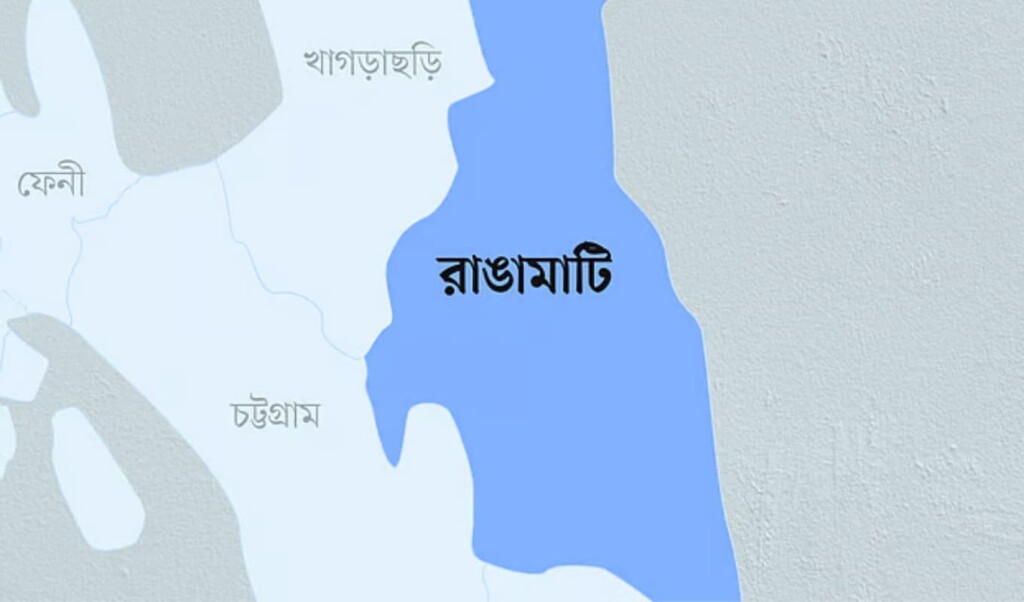
A devastating landslide in the Baghaichhari upazila of Rangamati hill district has claimed the life of a 70-year-old resident, highlighting once again the perilous conditions faced by communities living on the foothills of southeastern Bangladesh.
The tragic incident occurred at around 7:30 am on Tuesday in the West Lailyaghona area, located within Ward No. 6 of the Baghaichhari Municipality. The victim, identified as Lakshmi Bilas Chakma, was the son of the late Dharnachashya Chakma and a permanent resident of the neighbourhood.
Mechanics of the Accident
According to accounts from local representatives and administrative sources, Lakshmi Bilas Chakma’s house was built directly at the base of a vulnerable hill. On Tuesday morning, he was cutting a tree near his home when a substantial section of the hillside suddenly gave way without warning.
The sheer volume of the collapsing earth buried him instantly. Due to the weight and suddenness of the landslide, the elderly man suffered fatal injuries and died at the scene before local residents or rescue teams could intervene.
Official Reactions
The Upazila Nirbahi Officer (UNO) of Baghaichhari, Alameen Marzan, officially confirmed the fatality to the press.
“As soon as we were alerted to the incident, I commenced my journey to the spot to personally oversee the situation,” the UNO stated, adding that further administrative actions and support for the deceased’s family would be determined upon a full assessment of the scene.
Local authorities and emergency services have since secured the area to evaluate whether neighbouring properties face an immediate threat of further soil erosion or secondary collapses.
Context: The Ongoing Crisis of the Chittagong Hill Tracts
This latest fatality is part of a broader, deeply entrenched environmental crisis across the Chittagong Hill Tracts (CHT) region, which encompasses Rangamati, Bandarban, and Khagrachhari districts. Landslides have become a recurring annual phenomenon in these areas, routinely causing loss of life, displacing families, and destroying vital infrastructure.
Several systemic issues contribute to the persistence of this hazard:
-
Unregulated Anthropogenic Activity: Extensive hill cutting for development, combined with unregulated logging and deforestation, severely compromises the structural integrity of the hills, making them highly susceptible to gravitational failure.
-
Socio-Economic Pressures: A lack of affordable, safe land compels thousands of marginalised families to construct informal settlements directly beneath steep, unstable slopes, leaving them highly exposed to natural disasters.
-
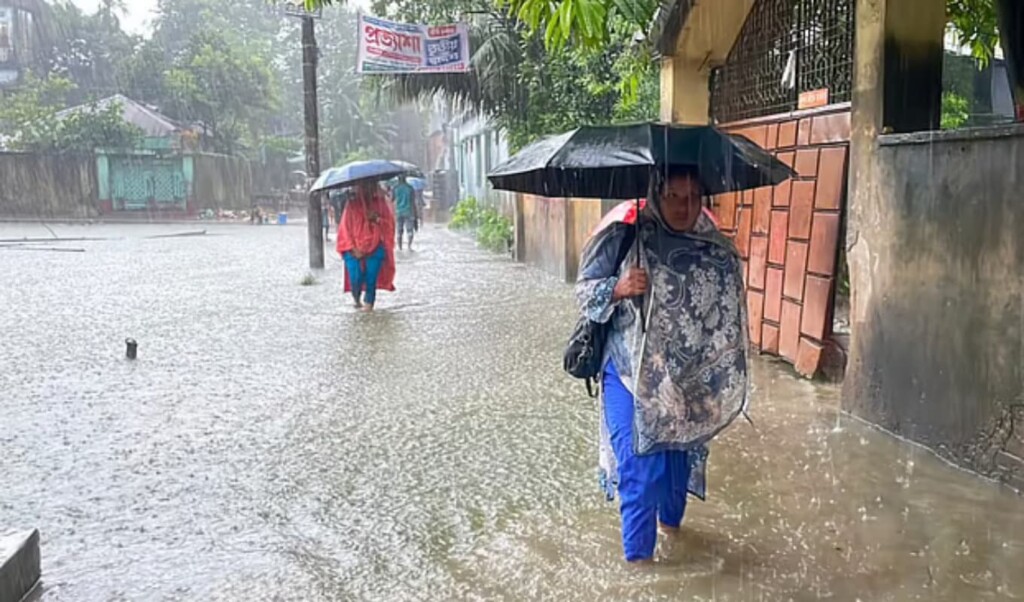
Climate Factors: The region is prone to severe weather patterns. Intense monsoonal downpours quickly saturate the loose, sandy topsoil characteristic of the CHT, acting as a primary trigger for sudden mudslides and slope failures.
While the local administration regularly issues evacuation orders and operates temporary shelters during periods of heavy rain, long-term solutions—such as strict enforcement of anti-hill-cutting laws and comprehensive rehabilitation programmes—remain vital to preventing such tragic losses in the future.