A debilitating shortage of natural gas has brought Bangladesh’s primary manufacturing sectors to a virtual standstill, imperilling export orders and raising immediate concerns over the stability of local consumer goods markets. The deficit, which has worsened over three consecutive weeks, has hit heavy manufacturing, textile processing, and basic food processing facilities hard, with pipeline pressure plunging across major industrial hubs.
Interrupted supplies of imported liquefied natural gas (LNG) alongside reduced pressure in national distribution lines have left major conglomerates unable to run heavy machinery. The domestic supply chain has buckled under the strain, prompting widespread operational halts across the country’s most vital economic zones.
The crisis escalated sharply following the decision by several of the country’s largest industrial conglomerates to suspend operations. The Meghna Group of Industries—which supplies roughly half of the nation’s households with daily staples such as edible oil, flour, sugar, and paper—shut all 57 of its industrial units on Wednesday.
Mostafa Kamal, Chairman and Managing Director of Meghna Group, indicated that gas pressure had dropped below the minimum operational threshold, while concurrent electrical load-shedding rendered backup measures ineffective. Industry leaders have formally petitioned the Ministry of Power, Energy and Mineral Resources alongside the Ministry of Commerce, seeking emergency priority allocations to prevent long-term damage to the economy.
The breadth of the industrial freeze is evident across several major production corridors:
-
Chattogram and Narayanganj Belts: Heavy industrial plants sited near Chattogram Port—including steel re-rolling, glass, and cement facilities—have ceased work. In Narayanganj, steel re-rolling mills report being completely idle for nearly a month due to inadequate pressure.
-
Hobiganj District Hub: Pipeline gas supplies to 171 factories in the region were cut off on Wednesday, forcing major industrial complexes operated by Square Group, PRAN-RFL, Transcom, and Jamuna to suspend operations. Over 150,000 industrial workers in the district remain idle.
-
Gazipur Manufacturing Zone: Gazipur Industrial Police confirmed that at least 525 manufacturing facilities—representing up to 15 per cent of the total factories in the district—have halted production. Units attempting to remain open report operating at less than half of their nominal capacity.
-
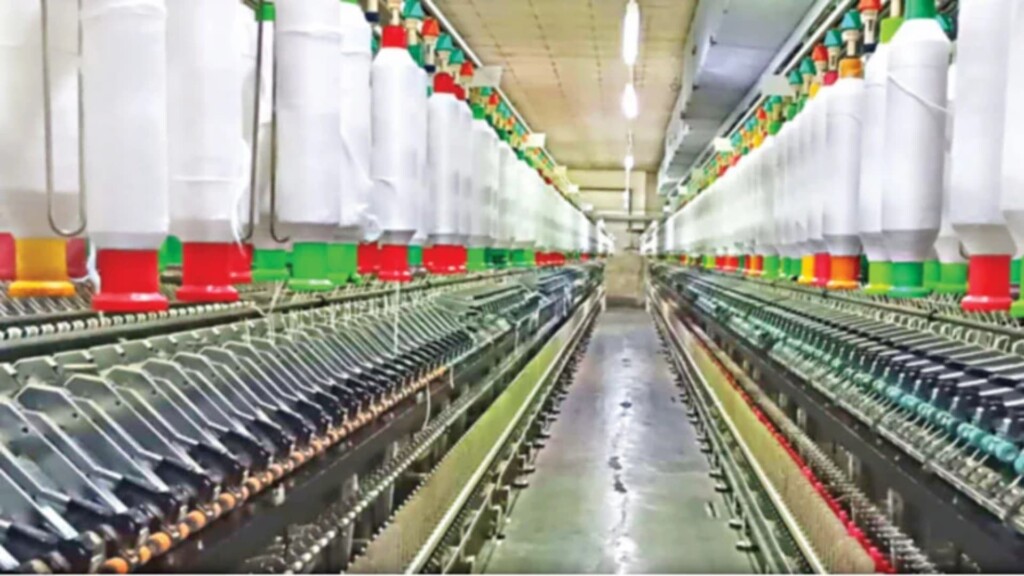
Textile and Ready-Made Garments (RMG): Exporters represented by the BGMEA and BKMEA report severe disruption to garment finishing processes. Key operations such as fabric dyeing, finishing, and stenting cannot run without steam generated by natural gas. Running emergency power via diesel generators increases daily overheads by up to 7 million Bangladeshi Taka (£46,000) for large corporate groups, a financial burden trade leaders describe as unsustainable.
Ministry figures reveal that national grid management decisions contributed significantly to the manufacturing shortfall, as gas was systematically diverted away from industrial customers to maintain domestic electricity supplies and municipal lines.
| Indicator / Metric | Pre-Crisis Baseline | Current Allocation Level | Operational Impact Notes |
| Gas to Grid Power Generation | 680 million cubic feet/day | ~1,000 million cubic feet/day | Diverted to limit residential blackouts |
| Gas to Fertilizer Sector | Constant | 140 million cubic feet/day | Maintained for agricultural supply chains |
| Combined Industry & Household Gas | 1,600–1,650 million cubic feet/day | ~850 million cubic feet/day | Sharp contraction in distribution lines |
| Direct Industrial Pipeline Gas | ~1,100 million cubic feet/day | 550–600 million cubic feet/day | Below threshold for heavy machinery |
| BTMA Textile Mill Capacity | 100% capacity | Below 30% capacity | Dyeing and stenting largely halted |
| PRAN-RFL Production Output | 100% capacity | Below 50% capacity | Heavy reliance on high-cost diesel power |
| Gazipur Active Factory Count | ~3,500 units | 525 plants closed | Operating units report 40% drops in output |
| Hobiganj Industrial Zone Status | 171 plants active | 171 plants closed | 150,000 workers currently offline |
| Meghna Group Operating Units | 57 active factories | 57 suspended units | Total halt across edible oil and sugar lines |
| Regional Transport Incidents | Normal CNG supply | Grid-wide failure | Blockades reported in Jamalpur & Brahmanbaria |
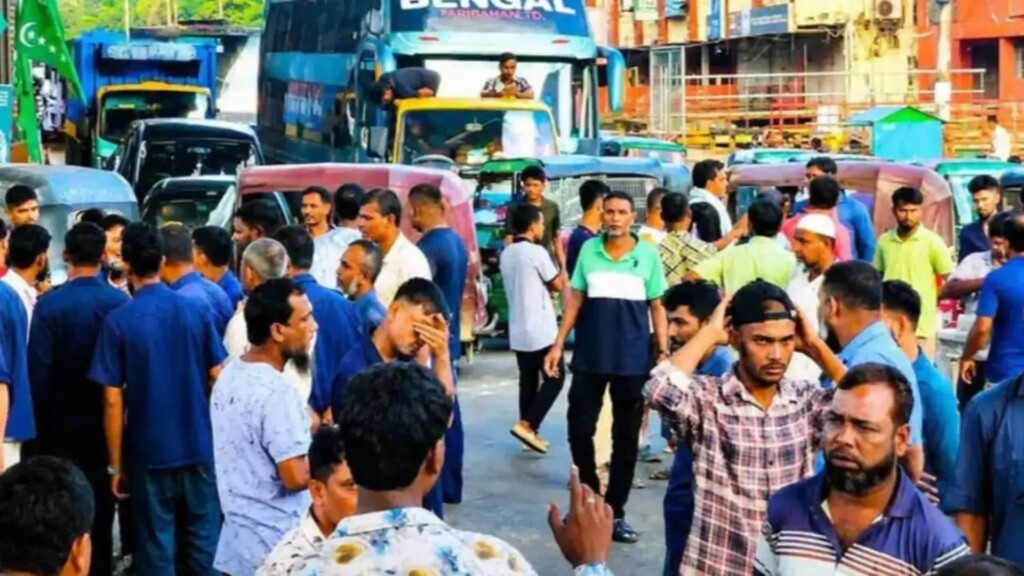
The utility shortages have generated civil unrest outside factory walls. Transport operators reliant on compressed natural gas (CNG) mounted road blockades on the Jamalpur-Tangail highway following the complete breakdown of local refilling stations. Traffic was similarly gridlocked on the Dhaka-Sylhet highway near Srail in Brahmanbaria before highway police persuaded demonstrators to disperse.
Manufacturing associations have urged the government to temporarily reallocate natural gas from state-run fertilizer plants to commercial export sectors until coal imports stabilize grid power. Executives warn that failure to restore utility baselines within days risks permanent loss of international buyer contracts and severe reductions in national foreign currency earnings.