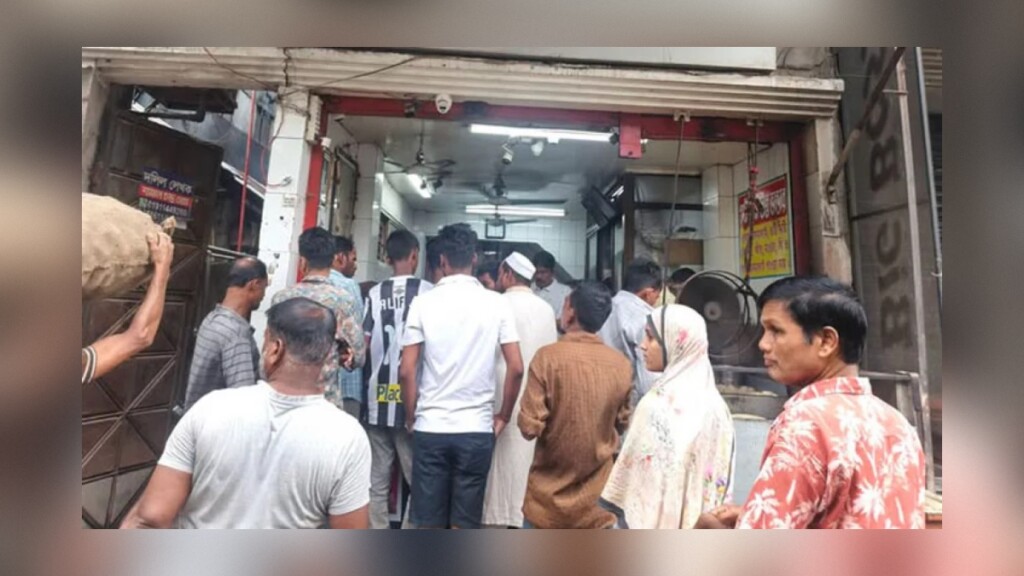
Rising expenses spanning essential foodstuffs, fuel, public transport, and household utilities continue to squeeze household budgets across Bangladesh, disproportionately impacting lower and middle-income families. Data released by the Trading Corporation of Bangladesh (TCB) and the Bangladesh Bureau of Statistics (BBS) indicate that despite headline inflation dipping below 9 percent last month, retail markets remain stubbornly expensive.
Foreign exchange constraints have aggravated the situation. Following significant currency depreciation, the US dollar rose from BDT 86 to nearly BDT 123, driving up import costs by approximately BDT 37 per dollar. This increase has directly affected consumer prices and placed a heavy burden on manufacturing industries reliant on foreign raw materials. Geopolitical tensions involving the United States, Israel, and Iran have created further volatility across global energy markets, disrupting primary supply chains for oil and gas and forcing Bangladesh to procure fuel from higher-priced alternative vendors. To cope with heavy subsidy burdens, the government increased fuel and electricity tariffs, which subsequently elevated production, freight, and utility costs.
While retail prices for coarse and fine rice have remained relatively stable over the past six months, costs for cooking oil, salt, flour, pulses, potatoes, garlic, eggs, and powdered milk have climbed. Seasonal shifts from winter to the monsoon period have further driven up fresh vegetable prices. Subsidised sales conducted via TCB trucks offer limited relief, though long queues highlight supply constraints relative to demand.
Economists argue that contradictory fiscal and monetary measures complicate inflation management. Former lead economist at the World Bank’s Dhaka office, Zahid Hussain, observed that attempts to boost gross domestic product growth through interest rate cuts alongside expansionary fiscal policies counteract efforts to stabilize prices. Executive Director of the Centre for Policy Dialogue (CPD), Fahmida Khatun, noted that monetary policy tools appear disconnected from market realities. Financial interventions—such as a BDT 60,000 crore fund created to reopen closed factories, capital injections into banks, and expansionary budget targets—risk further injecting liquidity into the market.
Commerce Minister Khondokar Abdul Muktadir publicly acknowledged the strain on consumers, expressing dissatisfaction with current price levels. Speaking to reporters on Tuesday, he noted that market monitoring alone cannot curb inflation, as broader structural factors—including energy pricing, interest rates, transport overheads, and high logistics expenses—dictate overall costs. He added that long-term stabilization will depend on improving transport infrastructure, ensuring uninterrupted power, and enhancing LNG capacity.