Britain, France, and Germany are preparing to resume fresh talks with Iran regarding its nuclear programme in the coming days, a diplomatic source from Germany confirmed on Sunday.
The three European powers, collectively known as the E3, are in active discussions with Tehran to schedule these talks for the upcoming week. The diplomatic move follows recent warnings from the trio, signalling that international sanctions against Iran could be reactivated should Tehran fail to return to the negotiating table.
Key Developments:
| Date | Event |
|---|---|
| July 20, 2025 | European powers (E3) plan new talks with Iran regarding its nuclear programme. |
| Upcoming Week | Tentative date set for resumption of nuclear talks with Iran. |
| Warning from E3 | Potential reactivation of sanctions if negotiations are not resumed. |
Iran’s official Tasnim News Agency further confirmed the discussions, reporting that Tehran had agreed to the forthcoming talks with the three European nations. The report cited an unnamed source, stating that consultations are ongoing to finalise the exact date and location of the discussions.
In parallel, Iranian Foreign Minister Abbas Araghchi participated in a call on Friday with his counterparts from the UK, France, and Germany, as well as European Union Foreign Policy Chief, Kaja Kallas. During the conversation, the Europeans emphasised that if Iran did not soon re-engage in the negotiations, they would activate the so-called “snapback” mechanism, which allows for the reimposition of sanctions lifted as part of the 2015 Joint Comprehensive Plan of Action (JCPOA).
Background on the 2015 Deal:
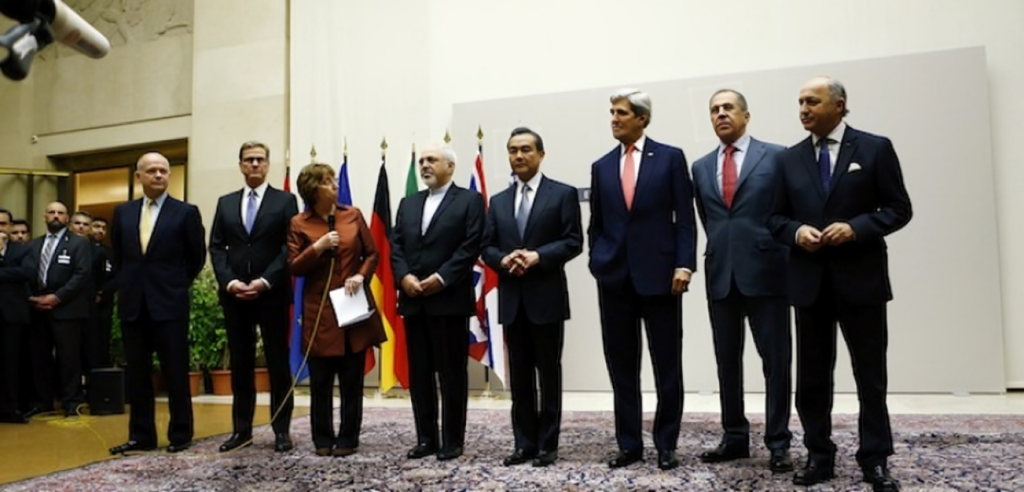
The JCPOA, which was struck between Iran and world powers, imposed significant restrictions on Tehran’s nuclear programme in exchange for the lifting of sanctions. However, the landmark agreement began to unravel in 2018 when President Donald Trump unilaterally withdrew the United States from the deal and reinstated economic sanctions on Iran. The situation escalated further following the recent hostilities involving Israel and the US, which saw military action against Iranian nuclear facilities. This effectively ended ongoing nuclear negotiations between Iran and the US, which had been mediated by Omani officials prior to the conflict.
Potential ‘Snapback’ Mechanism:
| Action | Detail |
|---|---|
| Snapback Mechanism | Reimposition of sanctions lifted under the JCPOA if Iran does not return to talks. |
| 2015 JCPOA Agreement | Deal that restricted Iran’s nuclear programme in exchange for sanctions relief. |
| US Withdrawal (2018) | Trump pulled the US out of the deal, reinstating sanctions on Iran. |
The German diplomatic source reiterated the European powers’ firm stance on non-proliferation: “Iran must never be allowed to acquire a nuclear weapon. That is why Germany, France, and the United Kingdom are continuing to work intensively in the E3 format to find a sustainable and verifiable diplomatic solution to the Iranian nuclear programme.”
Despite these warnings, Iran has consistently denied any intention to develop nuclear weapons. Iranian officials maintain that their nuclear activities are for peaceful purposes, primarily energy production.
The situation remains fraught with tension, and while the snapback mechanism is a possible course of action for the E3, the European powers are eager to reach a diplomatic resolution to avoid further escalation.
Outlook for Future Negotiations:
| Timeline | Outlook |
|---|---|
| Immediate | Continued efforts by E3 to finalise the schedule for talks. |
| Summer 2025 | If no agreement is reached, snapback sanctions remain an option. |
| Long-term | E3 aims for a verifiable and sustainable solution to the nuclear issue. |
The European powers are emphasising that if no resolution is achieved over the summer, they will consider activating the snapback mechanism. This option could see the reimposition of sanctions on Iran, significantly affecting the country’s economy and its international relations.
The stakes are high, with both sides eager to secure a diplomatic solution, but time is running short. The outcome of these upcoming talks could have significant implications not only for the future of Iran’s nuclear programme but also for broader geopolitical stability in the region.