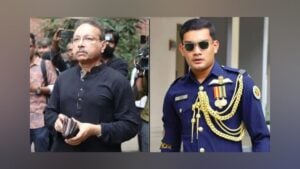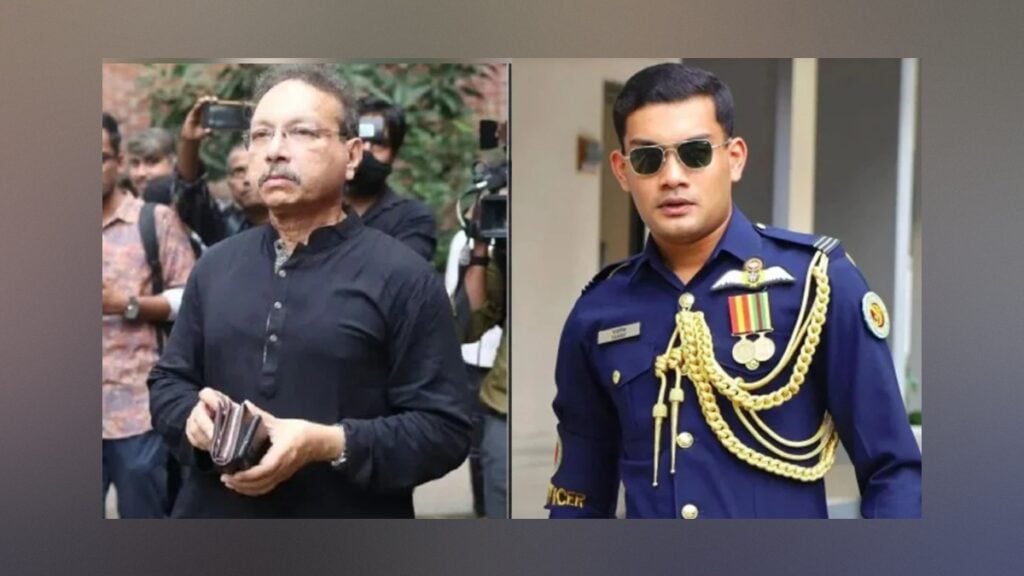
The father of former Bangladesh Air Force Flight Lieutenant KM Tahsif Sauri has alleged that his son was murdered and his body thrown into a river to conceal the crime. KM Enayetul Karim Helal has firmly rejected the possibility of suicide, insisting that his son was not someone who would take his own life.
Helal made the allegations on Thursday while collecting his son’s body from the mortuary at Shaheed Suhrawardy Medical College Hospital in Dhaka. Speaking to the media, he expressed doubts about the circumstances surrounding Tahsif’s death and said the family wanted the incident to be investigated thoroughly.
“My son was murdered. After killing him, they threw his body into a river to conceal the crime. He was never the kind of person who would commit suicide,” Helal said, outlining his suspicions about what had happened.
According to Tahsif’s father, the family was unaware of any personal enmity involving his son. He said Tahsif had no known disputes with anyone that might explain the circumstances of his death. Helal also dismissed the possibility of a romantic relationship being linked to the incident, saying his son was not involved in one.
Recounting the events before Tahsif went missing, Helal said that his son’s friend Dip had called him shortly before his disappearance. Tahsif subsequently went missing, leaving his family seeking answers about his final movements.
Helal said Dip had told them that the two had spoken near a residence. However, the father did not provide further details about the meeting or explain what had happened afterwards. The circumstances surrounding the reported encounter, and the events that followed, remain among the questions the family wants addressed.
The family intends to file a case after Tahsif’s funeral. Helal said the police would then investigate the matter and establish the facts. His comments reflect the family’s determination to seek answers and challenge any assumption that the death was the result of suicide.
The allegations have not yet been independently established, and the precise circumstances of Tahsif’s death remain unclear from the information available. Determining the cause of death and whether another person was involved will require evidence and an investigation by the relevant authorities.
The circumstances surrounding Tahsif’s disappearance, his last known contact with Dip and the events leading to his death are likely to be important areas of inquiry. Statements from people who had contact with him, alongside any available forensic and other evidence, could help investigators reconstruct the sequence of events.
For the family, the immediate priority is to lay Tahsif to rest and pursue legal action. They are awaiting an investigation that can clarify how he died and establish whether the allegations made by his father are supported by evidence. Any final conclusions about the case will depend on the findings of the authorities.