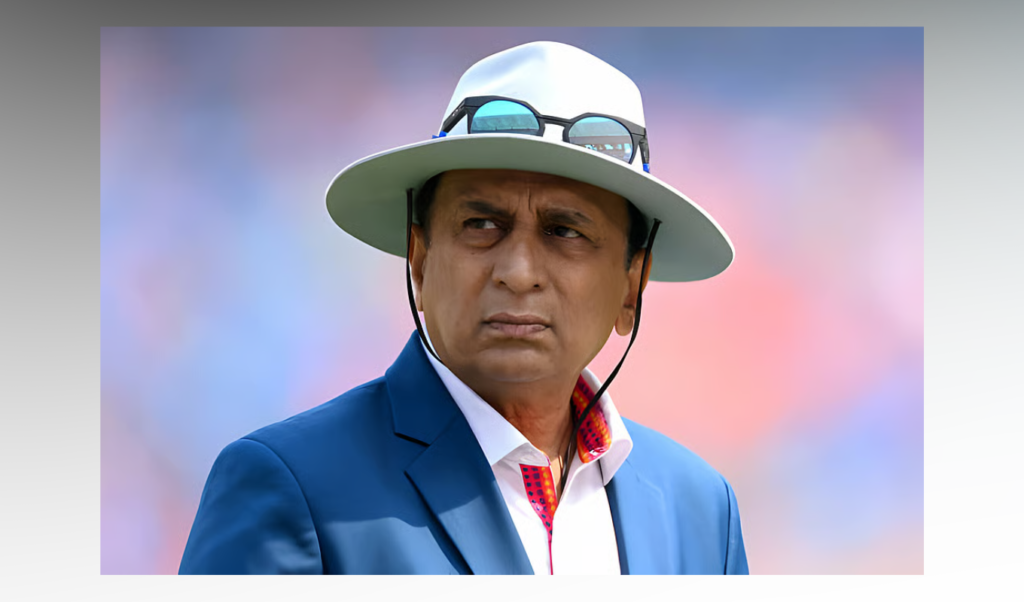
Former Indian captain Sunil Gavaskar has launched a scathing critique against Australian cricket administrators following the rapid finish of the second Test match between Australia and Bangladesh in Mackay. Accusing the hosts of intentionally manufacturing an unplayable surface to evade a embarrassing series loss, Gavaskar highlighted the persistent double standards governing global cricket commentary. Staged at the Great Barrier Reef Arena, the entire match collapsed within two days, wrapping up in a mere 750 deliveries to record the fourth-shortest Test match in history by balls bowled.
Despite the abrupt conclusion, the reaction from the Australian media and cricket establishment remained curiously understated. Writing in his regular column for Sportstar, Gavaskar condemned the selective outrage that routinely dominates international cricket discussions. He pointed out that whenever a match in the Indian subcontinent finishes within three days, Western commentators instantly brand the pitch unviable and unfit for international competition. Conversely, when volatile, hazardous pitches are produced in Western nations, they are conveniently excused as minor pitch-curing oversights or the result of unpredictable weather patterns.
Gavaskar pulled no punches in describing the playing surface at Mackay, characterising it as a “trampoline-bounce” pitch. He dismantled the familiar explanations offered whenever an Australian surface behaves dangerously, mocking the soft language used by commentators to shield home curators and boards from accountability.
“The groundsman—sorry, turf executive—made a mistake,” Gavaskar wrote with sharp irony. “He relied on the weather forecast, which had predicted warm weather. So he left a bit extra grass, and that created the extra bounce.”
The legendary opening batsman also rejected the persistent argument that defective batting technique, rather than pitch preparation, accounts for such lightning-fast matches. Gavaskar noted that such a narrative only holds merit if the hosting team adapts comfortably and posts substantial totals. In Mackay, Australia’s own batting lineup collapsed repeatedly, failing to construct meaningful partnerships or handle the unpredictable movement, demonstrating that the conditions were treacherous for both teams.
“This last excuse might have been somewhat acceptable if the home team’s batters had batted well,” Gavaskar observed. “But when the home boys themselves fail to score runs or build a good partnership, what does that tell you about the pitch?”
For Gavaskar, the creation of such a volatile pitch was entirely predictable. Following Bangladesh’s landmark victory over Australia in the series opener, he argued that Australia’s desire to square the series drove the request for an exaggerated surface. While Cricket Australia consistently maintains that pitch curators operate independently of national squad preferences, Gavaskar dismissed these assurances as mere public relations window dressing.
“The Mackay pitch was no surprise,” he noted. “After the Australians were humiliated by the Bangladeshis in the first Test, it was obvious they would prepare a pitch that was fast and bouncy. And of course, they will claim that the groundsman did this on his own, with zero instructions from the team management. But we all know what happens behind the scenes.”
Gavaskar placed the fixture in a broader historical context, pointing to Australia’s long-standing reluctance to host emerging Asian sides on equal terms. Although Bangladesh attained full Test status in 2000, Cricket Australia waited 23 years before inviting them back for a second bilateral Test series, ultimately assigning the matches to regional, non-traditional venues far removed from major cricket centres.
Drawing parallels from India’s own history, Gavaskar recalled that Indian cricket endured similar institutional neglect during its early decades. Following India’s inaugural tour of Australia in 1947–48, twenty years passed before Cricket Australia invited them back for a second series in 1967–68, followed by another decade-long gap before their third visit. His sharp commentary brings renewed focus to a deep-seated frustration over how traditional cricket powers exert dominance both on the field and within executive boardrooms.