Former Bangladesh Under-20 head coach Gerard Jones has alleged that he received death threats, personal attacks and the leaking of private information during his brief spell in charge, speaking out four days after the Bangladesh Football Federation (BFF) terminated his contract.
Jones made the claims in a lengthy Facebook post from Kansas City in the United States, following his dismissal after Bangladesh’s disappointing campaign in the AFC Under-20 Asian Cup qualifiers.
Bangladesh’s hopes of reaching the main tournament ended after two consecutive defeats in the qualifying campaign. The team suffered a 3-0 defeat against Syria, and the BFF decided the following day, on 4 September, to end Jones’s contract and remove him from responsibility for the qualifiers.
The federation’s official announcement did not specify the precise reason for the decision. It stated only that Jones had been relieved of his duties for the AFC Under-20 Asian Cup qualifiers and that his contract with the federation had been terminated.
Jones, however, used his first public statement since leaving the post to describe a difficult experience beyond the football results. He said criticism of football decisions was understandable, but argued that personal attacks, the disclosure of private information and threats to his life crossed a completely different line.
He also referred to his family while describing the impact of the alleged threats, saying he was a husband, father and son. According to Jones, he received a number of highly abusive messages and had personal information exposed while working in Bangladesh.
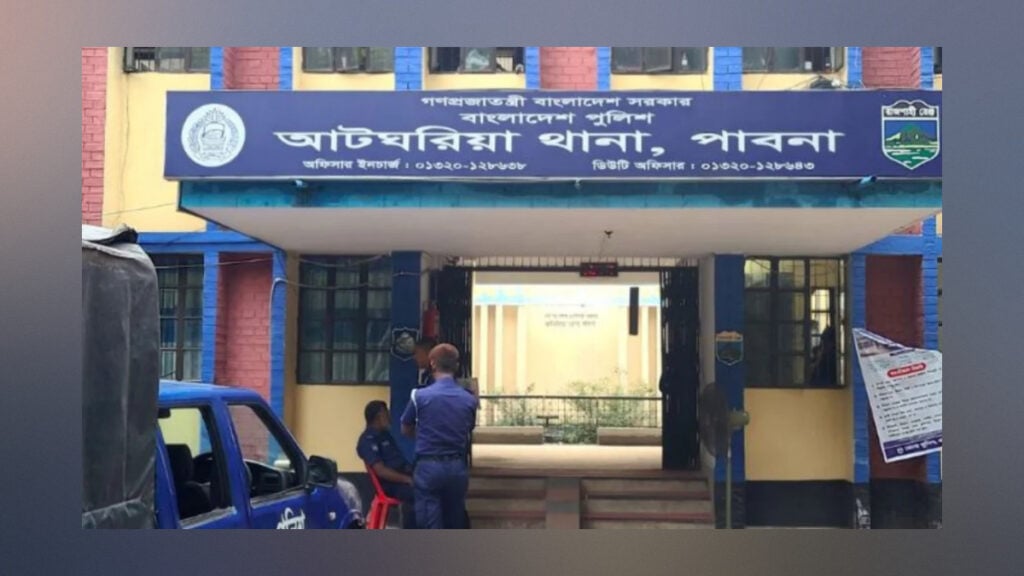
There had already been controversy surrounding his time with the Under-20 side. A BFF source had previously indicated that an incident involving assistant coach Atikur Rahman at the team hotel on 19 August, together with the team’s poor results, played a role in the decision to remove Jones.
The disagreement with Atikur reportedly escalated from an argument to physical pushing. Jones subsequently called Bangladesh’s national emergency service, 999, and police were brought to the scene.
The federation did not cite that incident as the formal reason for terminating his contract in its public statement, leaving the exact circumstances behind the decision unclear.
Jones also argued that his work in Bangladesh should not be assessed solely through the results of the qualifying matches. He said he had arrived with broader ambitions involving youth development, coach development, talent identification and the involvement of players from the Bangladeshi diaspora.
His tenure, however, lasted only around nine weeks before Bangladesh entered the Asian qualifying competition. Jones suggested that the limited preparation period placed the side at a disadvantage against opponents with more established systems for developing footballers.
Despite the lack of time, he said he had seen progress during training. Ball possession, attacking variation, movement into the penalty area, high pressing and counter-pressing were among the areas where he believed the team had developed.
The main difficulty, according to Jones, was transferring those ideas from training sessions into competitive matches. He claimed that the football developed during preparation was not consistently reproduced during the qualifiers, leaving the team looking very different from the side he had worked with in training.
Jones also rejected the idea that two international defeats should define his coaching career. Pointing to almost two decades of coaching experience, he argued that the work and progress made during his time in Bangladesh could not be erased by the outcome of two matches.
His assessment of Bangladeshi football extended beyond the Under-20 team. Jones said substantial changes would be needed in player selection, infrastructure, football culture and the development of high-level players if Bangladesh were to compete regularly with Asia’s stronger sides.
The comments also highlighted a broader challenge facing youth football: short preparation periods can make it difficult for coaches to introduce new tactical ideas and build consistency before major competitions. At the same time, national teams are ultimately judged by their performances in competitive matches, making results a central part of any coaching assessment.
Despite his abrupt departure, Jones ended his statement by wishing Bangladesh’s players and football well. He said the country possessed talent and had a strong public passion for the sport, but argued that turning that potential into sustained progress would require long-term planning and the right environment for players to develop.
His allegations of death threats and the disclosure of private information are separate from the sporting criticism surrounding his dismissal. The claims were made by Jones in his own statement, while the BFF’s public announcement did not provide details on those allegations or identify them as a reason for terminating his contract.