BERLIN, Feb 23, 2025 (BSS/AFP) – As German voters head to the polls on Sunday, the country may face an extended period without a new government. Known for its complex coalition negotiations, Germany typically experiences political paralysis for weeks, if not months, before a new chancellor can take charge.
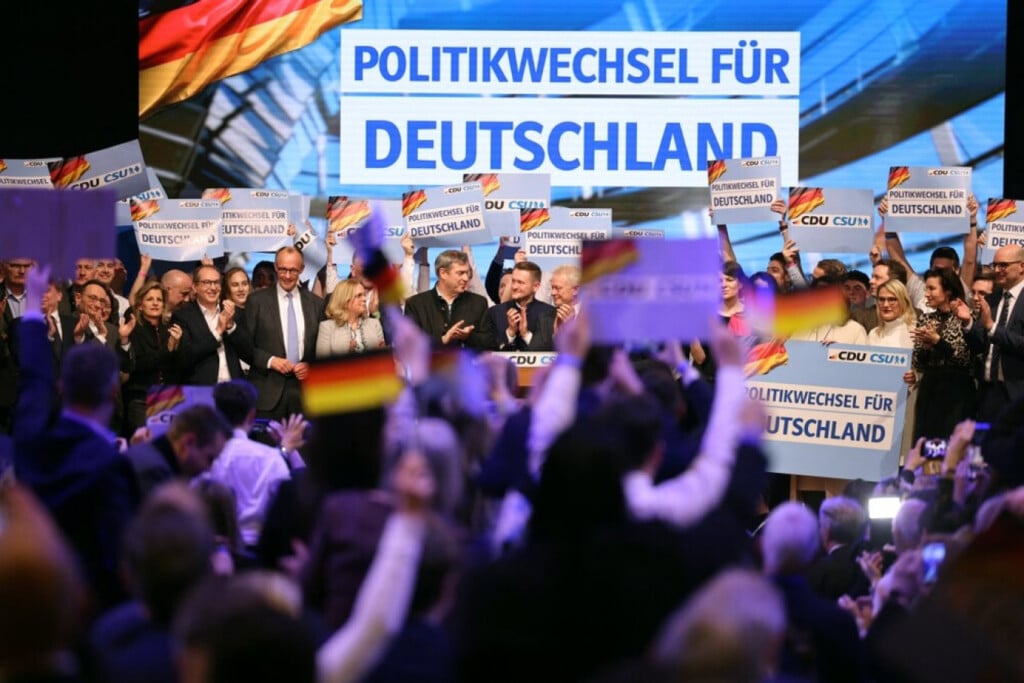
Friedrich Merz, the frontrunner in the polls, has set an ambitious goal of reaching a coalition deal by Easter, specifically by April 20. In a recent interview with Politico, Merz urged potential allies to prepare for swift discussions, stating, “If we spend weeks, possibly months… the period in which this country is without a majority capable of governing will be too long for me.”
The incoming leader will face several critical challenges, from a stagnating economy to the ongoing Ukraine conflict, not to mention the growing tensions with the administration of former U.S. President Donald Trump.
Current polling gives Merz’s conservative CDU-CSU alliance a solid lead over the Social Democrats (SPD) of Chancellor Olaf Scholz. However, the polls suggest that Merz’s party, with around 30 percent of the vote, will need a junior coalition partner to secure a parliamentary majority.
Merz could explore the possibility of forming a “grand coalition” with Scholz’s SPD, a coalition of the two largest parties in Germany, which was last seen under Angela Merkel’s leadership. While Scholz would likely not join such a government personally, this path could prove challenging, especially considering the recent dissolution of his own coalition with the Greens and the liberal Free Democrats (FDP) in November.
Alternatively, Merz might seek to include the Greens in the coalition talks, although this proposal has been met with strong opposition from the CDU’s Bavarian sister party, the CSU.
Lengthy Coalition Talks Ahead
Forming a coalition government in Germany is often a lengthy process. After elections in 2021, Scholz needed ten weeks of negotiations to form a coalition with the Greens and FDP. The talks were grueling, with party leaders sharing tired-looking selfies as they navigated through the complexities of coalition-building.
Political scientists agree that such extended negotiations are a standard feature of German politics. “Coalition agreements are highly detailed and have a ‘contractual character,'” explained Dorothee de Neve, politics professor at Justus Liebig University. “This is a long-standing characteristic of German politics.”
The longest coalition talks in recent history took place in 2017, when it took Angela Merkel’s conservatives six months to form a “grand coalition” with the SPD. This delay was exacerbated by Merkel’s initial failure to form a coalition with the Greens and FDP.
The Role of the Far-Right and Smaller Parties
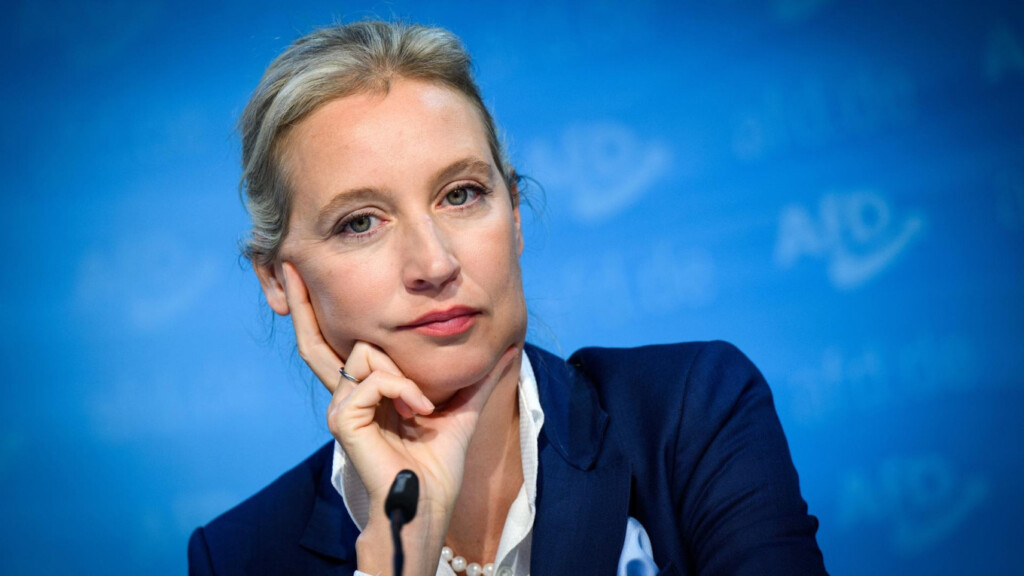
The rise of the far-right Alternative for Germany (AfD) party has further complicated Germany’s political landscape. Polling at around 20 percent, the AfD is increasingly popular among voters, although all other parties have vowed not to form a government with the anti-immigration group.
However, the AfD’s presence has eroded the support base of other parties, making coalition-building even more difficult. Smaller parties such as the FDP and the far-left BSW are battling to secure enough votes to clear the five percent threshold required to enter parliament. Meanwhile, the left-wing party Die Linke has seen a recent uptick in support.
Political analyst Uwe Jun noted that forming another grand coalition would be “not simple,” citing clear policy differences between the SPD and CDU, particularly on social and economic issues.
A Fragmented Parliament Ahead?
With multiple parties vying for power, fragmentation in the parliament seems inevitable. According to Michael Broening of the Friedrich Ebert Foundation, the election results may produce “a historically fractured parliament.” This fragmentation is likely to persist, making coalition-building even more challenging and reflecting the social divisions that have become more pronounced in recent years.
As Germany heads into these uncertain negotiations, the road to a new government may prove to be long and difficult, with potential implications for the country’s future direction in both domestic and foreign policy.
Supplementary Information: The process of coalition-building in Germany is a product of its proportional representation electoral system, which often results in fragmented parliaments. This system ensures that smaller parties have a voice in the legislative process but can also make it difficult for any single party to secure an outright majority. Consequently, coalitions are the norm, and negotiations between parties can be time-consuming, with compromises made on policy positions.