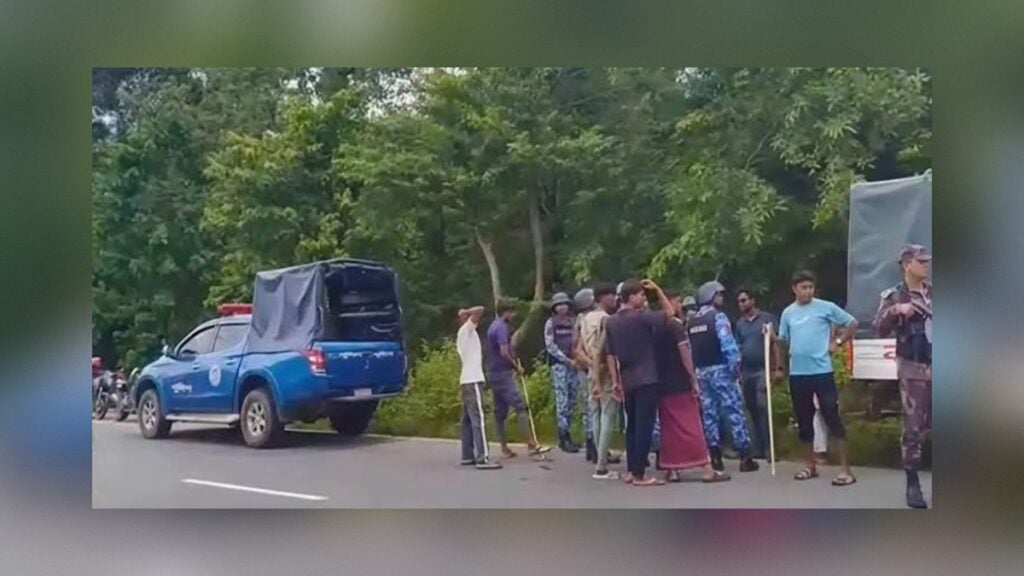
At least 14 people have died and seven others have been injured after a gold mine collapsed in south-western Colombia, local authorities have confirmed. Between 12 and 15 miners are also reported missing following the disaster, raising fears that the death toll could increase.
The incident was reported by Al Jazeera on Monday, 19 October.
Local Governor Luis Alfonso Escobar said the initial search and rescue operation had been completed. However, Jorge Tovar Castillo, a departmental disaster management official, said a further 12 to 15 miners were believed to be missing after the collapse. Their whereabouts remain unclear, and further information is needed to establish the full extent of the disaster.
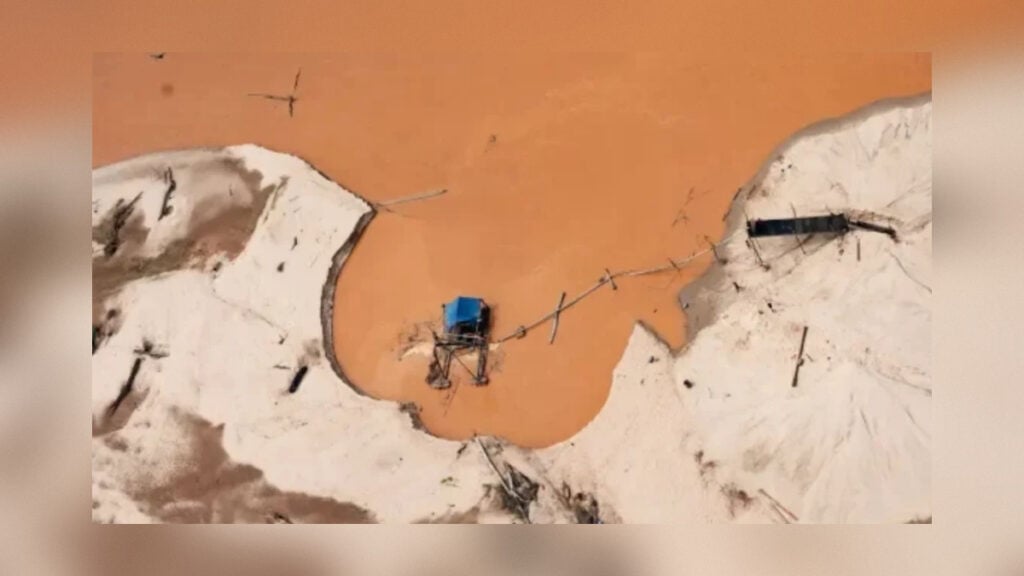
The mine is located in Santa Bárbara de Iscuandé, a remote area in south-western Colombia surrounded by dense forest. Access to the region is difficult, with travel possible only by boat or small aircraft. The area’s geographical isolation presents significant challenges for emergency response teams seeking to reach affected communities and provide assistance.
In a statement posted on the social media platform X, Governor Escobar described the site as an informal mine. He said the authorities’ immediate priority was to support the families affected by the tragedy and ensure that they received appropriate assistance.
The incident has once again drawn attention to the dangers associated with informal and unregulated mining in Colombia. In several rural parts of the country, mining activities take place in areas where safety infrastructure, technical oversight and emergency response facilities may be inadequate. Under such conditions, structural failures and ground collapses can have devastating consequences for workers.
Gold mining remains an important economic activity in Colombia, but operations conducted outside formal regulatory frameworks can expose miners to serious occupational hazards. The absence of adequate safety measures, proper site assessments and effective monitoring can increase the risk of accidents. Remote locations can also complicate rescue efforts when mine structures collapse.
The latest tragedy follows another fatal mining accident in the country in August, when 13 people died in a similar incident in the municipality of Policarpa, in the department of Nariño. The two disasters have renewed concerns about the safety of mining operations, particularly in rural areas where informal extraction remains a challenge.
Although authorities have confirmed 14 deaths and seven injuries in the latest collapse, uncertainty remains over the missing miners. The final number of casualties will depend on what further information emerges about those who have not yet been accounted for.
For the families awaiting news of their relatives, the immediate priority is to establish the fate of the missing workers and secure the necessary support. The incident also highlights the continuing need for effective safety standards and oversight to reduce the risks faced by miners working in hazardous conditions.