The government has outlined plans to reintroduce water bus services along Dhaka’s circular waterway, turning to private enterprise to manage operations. The initiative aims to ease urban traffic congestion while simultaneously boosting river-based tourism and recreation, according to Sheikh Robiul Alam, the Minister for Road Transport and Waterways.
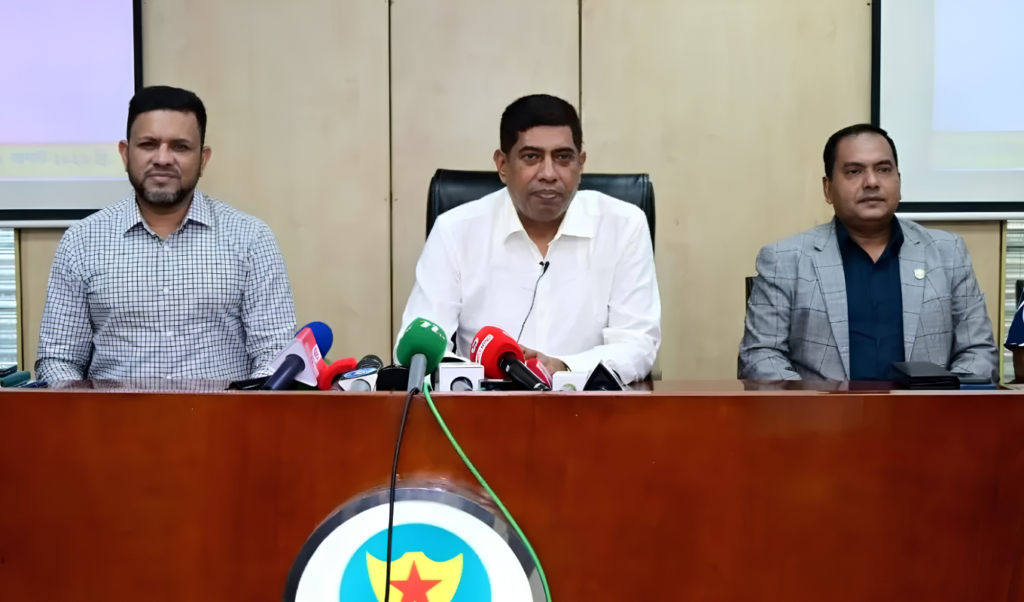
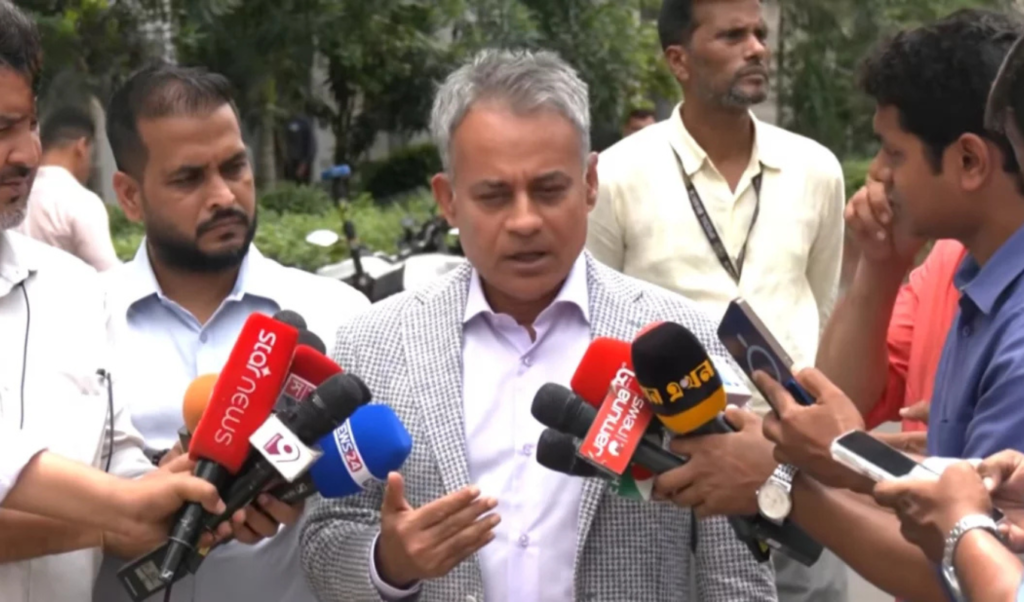
Speaking to reporters at the Secretariat on Sunday, 2 August, following a high-level meeting with the Prime Minister, the minister revealed that the final framework for the initiative would be completed within two months. Private operators will then be engaged to roll out the service in phases across the capital’s surrounding water routes.
Navigational conditions vary significantly across the route. Whilst the stretch extending from Ashulia through Sadarghat to Narayanganj remains suitable for passenger transit, other segments face structural and environmental obstacles. Furthermore, attracting commuters remains a challenge given that road transport often offers shorter travel times compared to the winding river routes.
Previous state-led attempts to run similar services suffered heavy financial losses. The Bangladesh Inland Water Transport Corporation (BIWTC) operated water buses in the past, but the enterprise accumulated losses of approximately 57 crore Taka over a decade. Low passenger turnouts, severe river pollution, and high operational costs ultimately forced the service to shut down.
Several private entrepreneurs have now expressed interest in operating the services, seeking to capitalise on both daily commuting demand and riverfront tourism. To maintain passenger interest, vessels would need to run at 15 to 20-minute intervals. However, because frequent trips increase operating expenses, officials are evaluating strategies to ensure long-term commercial viability.
Severe water pollution remains the most critical barrier to success. Potential passengers are unlikely to use water transport if rivers remain foul-smelling and polluted. To address this, relevant agencies have been instructed to clean the waterways, improve bankside environments, and make the routes visually appealing. Progress on these environmental measures will be reviewed in a follow-up meeting in two to three months.
Low-clearance bridges also present a major technical obstacle, notably the railway bridge at Tongi. Whilst road bridges can be raised where necessary, the railway bridge cannot easily be modified. As a temporary workaround, authorities are considering an arrangement where passengers alight on one side of the bridge, walk across, and board another vessel on the opposite side.
Reflecting on past failures, Minister Sheikh Robiul Alam noted that the reasons behind BIWTC’s 57 crore Taka loss are being thoroughly reviewed. Key factors included insufficient fleet size, severe pollution, and low passenger volume. The new model aims to overcome these limitations. No dedicated budget has been allocated for the project yet, with participating agencies funding initial tasks through existing resources until further budgetary decisions are made.