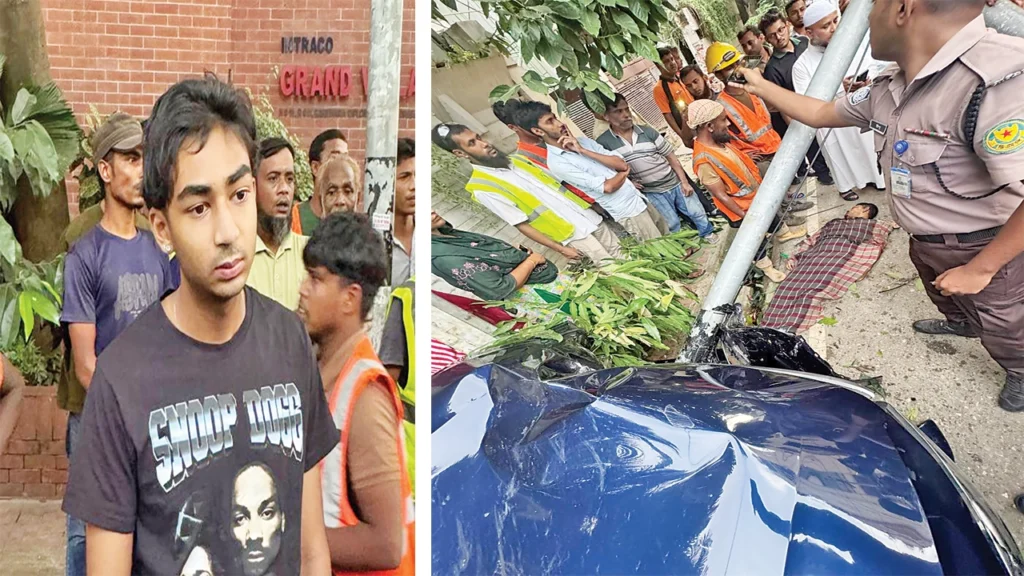
A controversial out-of-court settlement has been reached following the death of a speech- and hearing-impaired construction worker, who was fatally struck by an oncoming vehicle on a pavement in Dhaka’s affluent Baridhara neighbourhood.
The victim, 24-year-old Mehedi Hasan Mim, was resting on the footpath when a motor vehicle mounted the curb and ran over him. The alleged driver, 17-year-old Azan Ali Sharif, was subsequently detained in connection with the fatal incident.
During proceedings at the Women and Children Repression Prevention Tribunal-8 in Dhaka, presided over by Judge Md Abdul Moktadir, details of the financial compromise were officially presented. Defence advocate Alamgir Hossain confirmed that an agreement of 900,000 Bangladeshi taka (approximately £6,200) had been established between the perpetrator’s family and the victim’s relatives.
“Both parties have reached a mutual agreement for 900,000 taka,” Hossain stated, confirming that the sum had already been transferred in full to the victim’s family. He added that the plaintiff’s side would raise no objections regarding bail or the eventual acquittal of the accused.
When questioned about the moral implications of settling a human life for a monetary figure, the defence lawyer remarked that the victim was disabled and that his family voluntarily agreed to the terms. According to Hossain, the bereaved family expressed satisfaction with the negotiated sum.
Traffic accidents on footpaths across major urban centres in Bangladesh remain a critical concern, often prompting fierce public discourse surrounding road safety standards, legal accountability, and the socio-economic disparities influencing out-of-court settlements. Critics routinely argue that financial settlements in fatal vehicular negligence cases allow affluent offenders to evade legal consequences, leaving vulnerable families with limited access to justice.
Further judicial proceedings regarding the case have been transferred to the Dhaka Women and Children Repression Prevention Tribunal-5, where the court will decide on the formal legal disposition of the charges in light of the compromise petition.