More than 500 teachers at 22 public universities in Bangladesh are reportedly facing investigations, notices and various forms of professional pressure following allegations linked to a news report concerning an alleged campaign to bring back former Prime Minister Sheikh Hasina.
The controversy began after an online news portal, Asia Post, published a report on 4 August 2026 titled, ‘Secret activities of 404 teachers from 22 universities to bring back Sheikh Hasina’. According to the report supplied for this article, its principal basis was a Telegram group that allegedly contained the names of teachers from different universities.
Several teachers whose names reportedly appeared in the group have denied any connection with it. They said they were unaware of the group and had not made any posts there. Despite those denials, they claim they have since faced persistent mental pressure and professional difficulties at their workplaces.
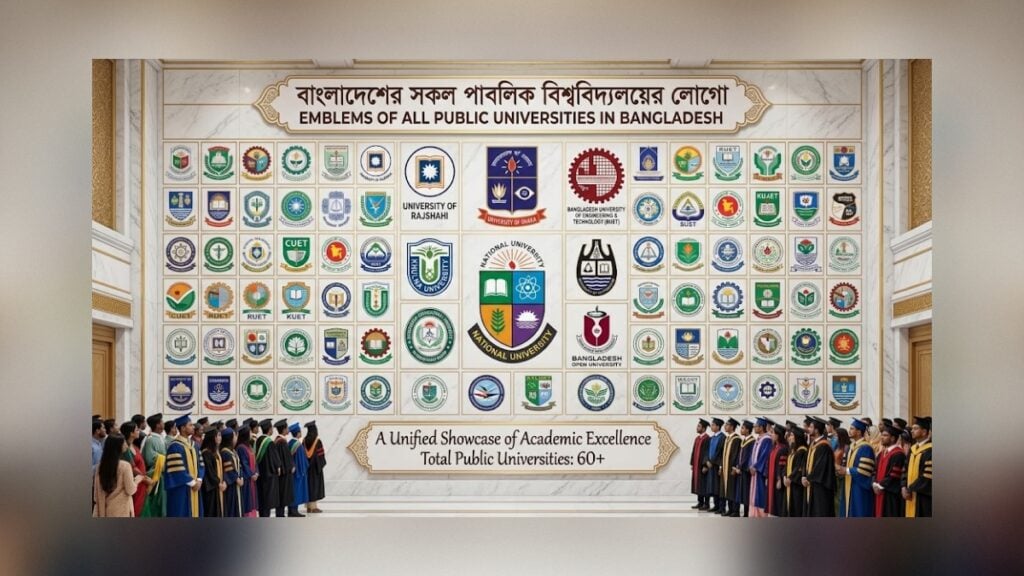
The allegations have reportedly prompted investigations or information-gathering committees at 22 public universities. These include the University of Dhaka, Rajshahi University, University of Chittagong, Islamic University, Jagannath University, Shahjalal University of Science and Technology, Khulna University, Kazi Mohammad Nafiz University of Science and Technology, Begum Rokeya University, Mawlana Bhashani Science and Technology University, Sher-e-Bangla Agricultural University, Patuakhali Science and Technology University, Noakhali Science and Technology University, Jatiya Kabi Kazi Nazrul Islam University, Kurigram Agricultural University and Gopalganj Science and Technology University, among others.
According to the source material, some teachers have received notices in connection with allegations described as potentially amounting to treason. In some cases, teachers whose names were not included in the Asia Post report have also allegedly been called for questioning, reportedly because they had previously supported a particular teachers’ panel.
The teachers’ concerns centre not only on the investigations themselves but also on measures allegedly taken before any inquiry has been completed or wrongdoing established.
At Jagannath University, Professor Dr Abdul Oudud, Professor Dr Md Nazrul Islam and Dr Mobarak Hossain are alleged to have had their salaries stopped. There are also allegations that some teachers have been denied promotions or career upgrades and removed from departmental or teaching responsibilities.
The report further claims that some teachers have faced difficulties obtaining no-objection certificates required to travel abroad for serious medical treatment. At the University of Dhaka, Dr Mushfiq Mannan Chowdhury and 10 other teachers are reportedly among those who have not received such permission for medical purposes.
At Islamic University, Professor Mahbubur Rahman is alleged to have been subjected to mob harassment, with his office reportedly vandalised. The source material also contains allegations concerning the appointment of a dean to chair a departmental committee despite objections from students and teachers, as well as the formation of a counter-investigation committee against students who protested.
At Rajshahi University, Professor Prashanta Kumar, Associate Professor Sadikul Islam Sagar, Assistant Professor Umme Habiba Jesmin and Professor Salma Khatun are reported to have been suspended or dismissed. Meanwhile, teachers at Patuakhali Science and Technology University and Noakhali Science and Technology University have allegedly faced questioning that they considered psychologically distressing, along with show-cause notices.
The report also raises a more serious allegation: that some of the investigations could be connected to attempts to remove existing teachers and subsequently create opportunities for new appointments and promotions. However, this claim remains an allegation and would require independent evidence to establish.
The dispute comes against the backdrop of considerable disruption in Bangladesh’s education sector following the political changeover of 5 August 2024. The source material states that teachers at different levels of education were subjected to forced resignations, suspension of their monthly pay order benefits, salary stoppages and suspension, while some were allegedly prevented from entering their educational institutions.
Following the July uprising, incidents of mob action and physical and psychological harassment were also reported at various private educational institutions. In response, the Education Ministry issued a number of directives and office orders aimed at restoring teachers who had allegedly been forced to resign, releasing suspended monthly pay order benefits and taking legal action where the directives were ignored.
The measures were intended to restore stability from lower secondary education through the college level. The latest allegations involving public universities have nevertheless raised fresh questions about due process, academic freedom and the professional security of teachers.
Barrister Tanvir Rahman, a former University of Dhaka teacher and senior lawyer of the Supreme Court, has highlighted what he considers to be significant legal and institutional risks. According to the source material, he argued that dismissing teachers or branding them as involved in treason solely on the basis of a report by a relatively obscure publication could create a serious crisis in higher education.
He also stressed the distinction between an allegation and a proven offence. If an individual is suspected of involvement in an offence such as treason, he said, the matter should be dealt with through the appropriate state authorities and judicial process. University administrations, he argued, should not assume the functions of law-enforcement agencies or courts.
The issue also touches on constitutional and international protections relating to freedom of thought and expression. Article 39 of the Constitution of Bangladesh recognises freedom of thought, conscience and speech as fundamental rights. The Universal Declaration of Human Rights also recognises freedom of expression under Article 19 and the right to education under Article 26.
Similarly, Article 19 of the International Covenant on Civil and Political Rights protects freedom of expression, while Article 13 of the International Covenant on Economic, Social and Cultural Rights recognises the right to education. Bangladesh is a party to both international covenants.
Academic freedom is another central concern. The 1997 UNESCO Recommendation concerning the Status of Higher-Education Teaching Personnel places emphasis on academic freedom, professional independence, institutional autonomy and fair protection for academic staff.
The allegations have therefore raised concerns beyond individual employment disputes. If teachers are investigated or disciplined primarily because of their political views, affiliations or alleged inclusion in a political list, questions may arise over the distinction between lawful political expression and actual criminal conduct.
At the same time, academic freedom does not place teachers beyond the law. Where there is credible evidence of a specific offence, an impartial investigation conducted according to established legal procedures remains possible and necessary. The key issue is whether such investigations are based on verifiable evidence and whether those accused are given a fair opportunity to respond.
The wider impact is also being felt by students. Universities depend on continuity in teaching, research and administration. Salary stoppages, suspensions, removals from academic duties and prolonged investigations can disrupt departmental activities and create uncertainty for students whose education depends on stable academic institutions.
The central challenge, therefore, is to ensure that university administrations maintain institutional discipline without allowing political disputes to undermine academic independence or due process. Allegations should be examined through transparent procedures, evidence should be assessed independently, and disciplinary decisions should follow applicable laws and university regulations.
A university is fundamentally a place for teaching, research, debate and the pursuit of knowledge. Political allegiance should not become a substitute for evidence, while genuine criminal allegations should not be dismissed merely because the accused is an academic.
For the affected teachers, the immediate concern is the restoration of a predictable professional environment in which investigations, where genuinely necessary, can take place without intimidation or prejudgement. For students and the wider education sector, the priority is to ensure that disputes involving individual teachers do not disrupt the continuity and quality of higher education.
Ultimately, any investigation involving university teachers needs to distinguish clearly between political opinion and specific unlawful conduct. Establishing that distinction through evidence, impartiality and lawful procedure will be essential to maintaining confidence in Bangladesh’s public universities and protecting the academic environment on which both teachers and students depend.