In a heart-wrenching incident that has sparked intense debate over human rights and judicial compassion in Bangladesh, a detained mother was denied parole to attend her disabled teenage son’s funeral, instead being permitted only a few agonising minutes to view his body at the gates of Kashimpur Central Women’s Jail.
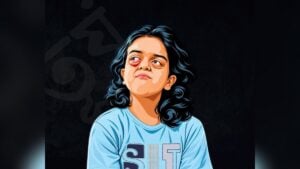
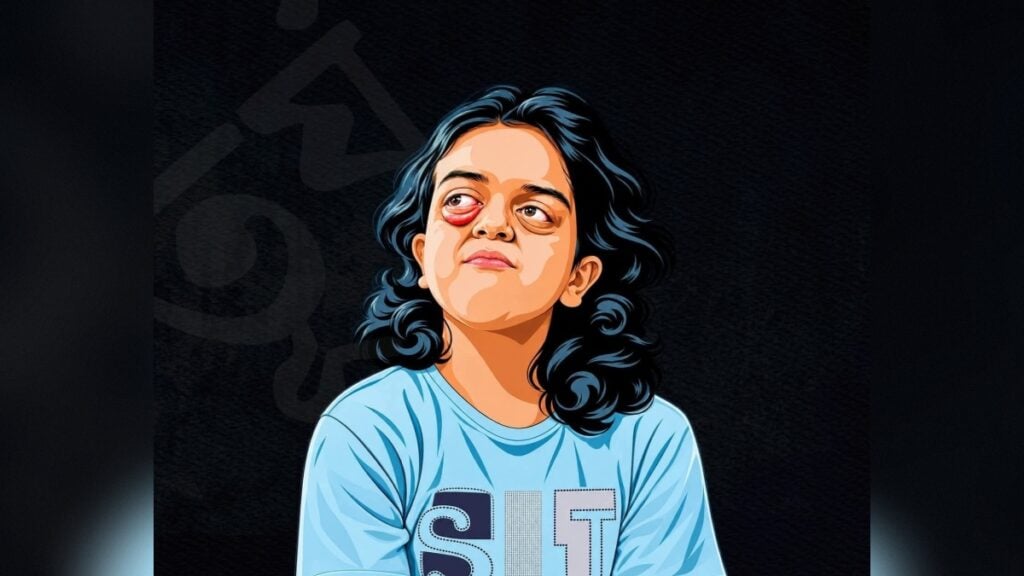
The deceased, 15-year-old Nisarga Hossain Turjo, was a teenager with special needs who required round-the-clock medical supervision, feeding, and emotional support. His mother, Sharmin Sultana Shormi—a former central leader of the Jubo Mohila League affiliated with the Awami League—had been his primary caregiver since birth. Following her arrest in October, Turjo’s health and mental state reportedly deteriorated rapidly in her absence, culminating in his sudden death on Friday, 27 November.
The Arrest and Allegations of Mob Justice
Shormi’s ordeal began on 3 October in the Lalbagh area of Dhaka. According to family members and Shormi’s own account, she was subjected to mob harassment by activists linked to the Bangladesh Nationalist Party (BNP) before being handed over to law enforcement. Her relatives maintain that no formal charges existed against her prior to that day, noting that she was subsequently implicated in a case filed under the Anti-Terrorism Act.
At the time of her detention, video footage and witness accounts captured Shormi pleading tearfully with officers. She explained that her disabled son required medication throughout the night and had no one else to manage his complex daily care. Questioning why she would remain at home if she were a fugitive, she begged for consideration of her child’s fragile condition. Despite repeated bail petitions over the following weeks, the courts kept her in pre-trial detention without concluding the judicial process.
A Tragedy Behind Closed Doors
Separated from his sole reliable anchor, Turjo struggled profoundly. Family members stated that the boy had previously expressed deep anxiety about surviving without his mother. Without her specialised care, his routine was severely disrupted, and he became emotionally withdrawn.
On Friday night, 27 November, Turjo entered the washroom at his residence and failed to emerge after an extended period. Alarmed relatives forced the door open and found the 15-year-old unresponsive. He was pronounced dead shortly thereafter, bringing a quiet, tragic end to a young life marked by vulnerability.
Five Minutes at the Prison Gate
Following news of the teenager’s passing, Shormi’s family urgently appealed for her temporary release on parole so she could mourn her son and participate in his final rites. While conflicting administrative accounts emerged regarding the processing of the parole application, Shormi was ultimately not granted release.
Instead, under special arrangements made by prison authorities on Saturday afternoon, Turjo’s body was transported in a freezing van to the entrance of Kashimpur Central Women’s Jail. Standing at the prison gates, Shormi was allowed to look upon her son’s lifeless face for the last time. According to her family and local media reports, this final farewell lasted barely two to five minutes before the vehicle departed. The stark reversal—a deceased child being brought to the prison doors because his mother could not go to him—has drawn widespread grief and scrutiny across civil society.
Broader Questions of Justice and Humanity
The tragedy has raised pressing legal and ethical questions regarding the treatment of pre-trial detainees and the rights of dependent children in Bangladesh. Under both domestic legal principles and international human rights standards, pre-trial detention is not meant to serve as punishment prior to conviction, and courts routinely weigh humanitarian grounds—such as severe illness or the welfare of dependent minors—when adjudicating bail and parole requests.
Legal observers and human rights advocates have pointed out that following the mass uprising of July–August 2024, public discourse in Bangladesh centred heavily on dismantling political victimisation, ending arbitrary detention, and upholding individual dignity regardless of party affiliation. Critics argue that allowing political identity to override basic humanitarian considerations undermines those very principles.
While commentators emphasise that any criminal allegations against Shormi must be thoroughly investigated and adjudicated through due process, they stress that a child should never bear the collateral punishment of a parent’s political background. Independent medical and administrative inquiries have been called for to establish the exact cause of Turjo’s death, examine how the absence of his primary caregiver affected his wellbeing, and review why temporary escorted release was deemed unfeasible.
Turjo held no political office and belonged to no faction; he was simply a vulnerable child who needed his mother. As his family prepares to lay him to rest, his death stands as a sobering reminder that the true measure of a state’s strength lies not in the severity of its authority, but in its capacity for compassion and impartial justice.