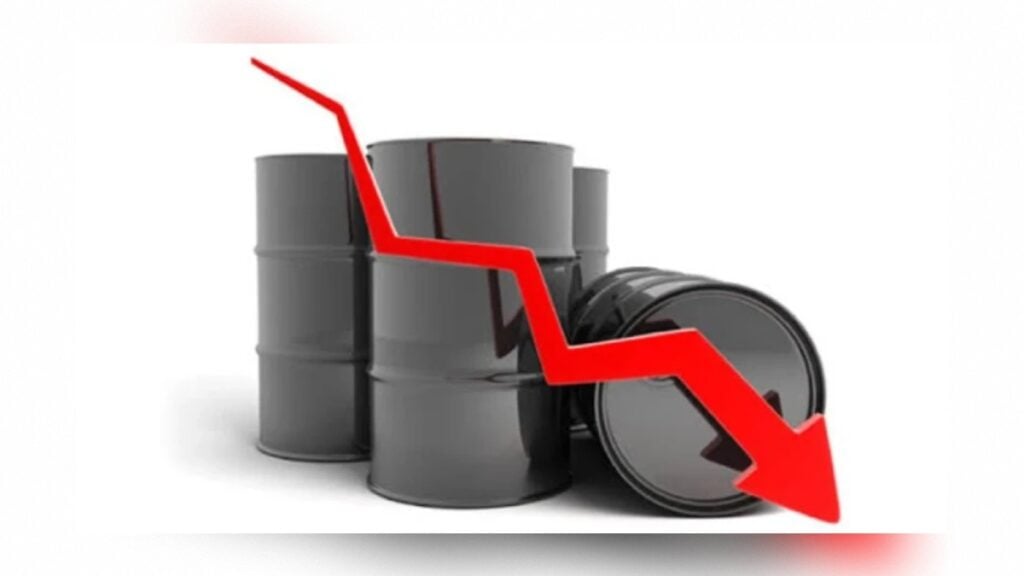
Global oil prices fell on Monday as crude exports from the Middle East increased and G7 countries moved to release oil from their emergency reserves. The additional supply has eased some of the immediate pressure on the market, although the prolonged conflict involving Iran, the United States and Israel continues to raise concerns over possible attacks on energy infrastructure across the Gulf.
According to a Reuters report, Brent crude had fallen by 72 cents, or 0.71 per cent, to $101.59 a barrel by before midday Bangladesh time on Monday. US benchmark West Texas Intermediate (WTI) crude declined by $1.05, or 1.2 per cent, to $90.50 a barrel.
The price movement reflects a temporary improvement in supply expectations at a time when traders remain highly sensitive to developments in the Middle East. Oil markets have been particularly focused on whether military tensions could disrupt production, exports or shipping routes used to transport crude to international buyers.
On Friday, G7 countries agreed to release 100 million barrels of diesel and crude oil from emergency reserves. They also pledged not to impose restrictions on fuel exports. The decision followed pressure from US President Donald Trump and was aimed at reducing concerns about a potential supply shortfall caused by the conflict.
The increase in actual exports from the region has also provided some relief. Shipping data showed that, during four of the seven days in the final week of September, Middle Eastern oil exports exceeded the levels recorded before the war began. This was despite attacks involving vessels travelling through the Strait of Hormuz, one of the world’s most strategically important oil shipping routes.
Tim Waterer, chief market analyst at KCM Trade, said the G7’s decision to release strategic reserves had reduced fears of an immediate supply shortage. Market expectations that Saudi Arabia’s oil exports were also moving back towards pre-war levels have added to the downward pressure on crude prices.
However, the supply situation remains complicated. Much of the additional crude is still being transported through more expensive and less efficient routes, meaning higher shipping costs and security risks continue to affect the market. Any major disruption to maritime traffic or energy infrastructure could quickly reverse the recent decline in prices.
The picture in the refined-fuel market was less reassuring. European gasoil futures rose by more than 2 per cent on Monday, reaching $1,390.25 a barrel. The increase suggests that concerns over refined fuel supplies remain significant even as crude prices have eased.
Military developments in Yemen have added another layer of uncertainty. The Houthi group said it had launched ballistic missiles and drone attacks targeting Saudi Aramco facilities in Riyadh and the Khurais area of Saudi Arabia. The group claimed the attacks were carried out in response to 50 air and missile strikes by the Saudi-led coalition in Yemen over a 12-hour period.
There was no immediate confirmation from Saudi authorities of the Houthi claims.
A day earlier, on Sunday, Yemen’s internationally recognised government, backed by Saudi Arabia, announced the start of a major military operation aimed at retaking areas controlled by the Houthis. The renewed confrontation with the Iran-backed group has heightened concerns over the security of regional energy supplies.
The Strait of Hormuz remains particularly important to the outlook for oil markets. Any sustained disruption in the waterway could affect the movement of large volumes of crude and refined products, potentially putting renewed upward pressure on international prices.
For now, however, increased Middle Eastern exports and the planned release of strategic reserves have helped offset some of the market’s fears. The latest decline in crude prices therefore reflects improved short-term supply expectations rather than a complete removal of geopolitical risks.
With military tensions still evolving, traders are likely to remain focused on developments around oil infrastructure, shipping routes and regional exports. A fresh escalation could quickly change market sentiment, while continued supplies from major producers and the release of emergency reserves could help contain prices in the near term.