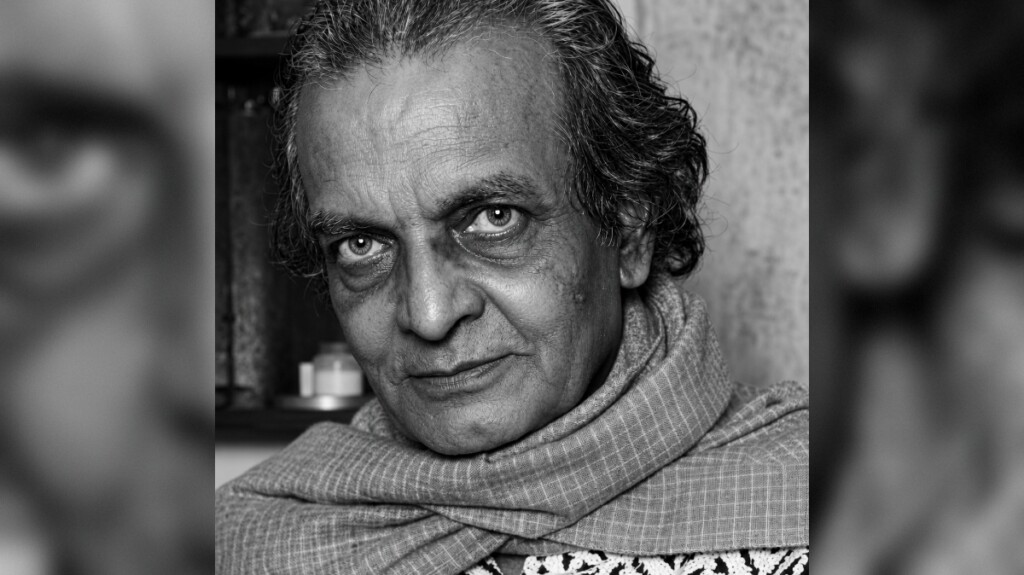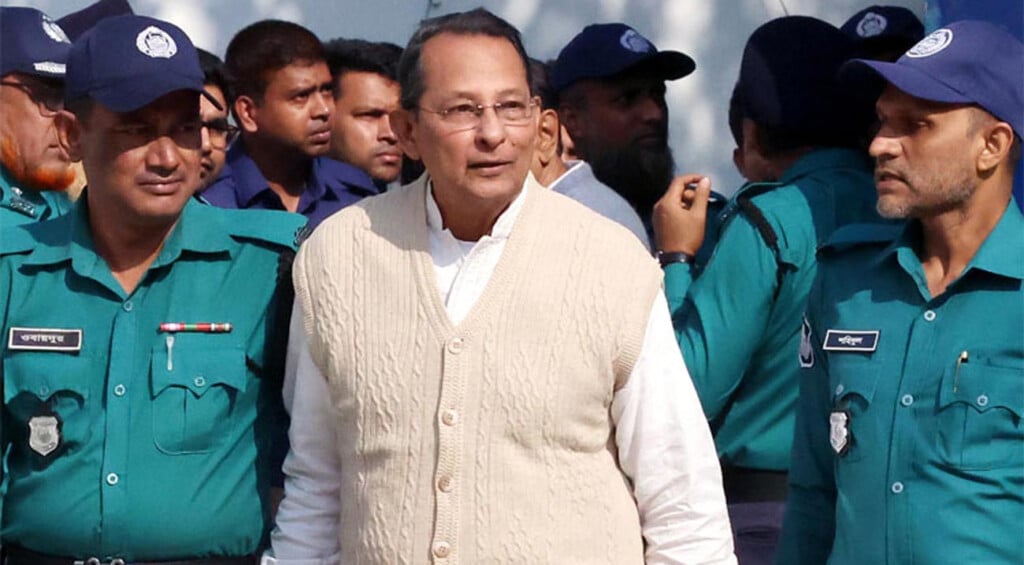
The International Crimes Tribunal has sentenced Jatiya Samajtantrik Dal (JASAD) President Hasanul Haq Inu to 10 years’ rigorous imprisonment after finding him guilty on several charges in a crimes against humanity case linked to the suppression of the 2024 anti-government student movement.
The verdict was delivered on Tuesday, 30 June, by International Crimes Tribunal-2. Moments after the judgement was pronounced, Inu, who was standing in the dock after being brought from custody earlier in the day, smiled in apparent reaction to the court’s decision. The proceedings were broadcast live.
The tribunal convicted Inu on three of the eight charges brought against him. He received 10 years’ rigorous imprisonment for Charge No. 3, which concerned persecution and political repression. He was also sentenced to 10 years’ rigorous imprisonment and ordered to pay Tk100,000 in compensation for Charge No. 6, relating to conspiracy, incitement and participation in criminal acts. A further 10-year rigorous prison sentence and an additional Tk100,000 compensation order were imposed under Charge No. 7 for conspiracy.
Although the combined sentences totalled 30 years, the tribunal directed that they would run concurrently, meaning Inu will serve an effective prison term of 10 years. He was acquitted of Charges 1, 2, 4, 5 and 8.
The tribunal had fixed 30 June for the verdict on 22 June after concluding hearings in the case. Chief Prosecutor Md Aminul Islam represented the prosecution, while senior lawyer Monsurul Haque Chowdhury appeared for the defence.
According to the prosecution, the investigation culminated in a 39-page formal charge submitted on 25 September. The case file included 1,679 pages of documentary evidence alongside three audio recordings and six video documents. Inu was the sole accused.
The prosecution alleged that Inu played a significant role in encouraging and facilitating the violent suppression of the quota reform and anti-discrimination student movement during July and August 2024. Prosecutors argued that he repeatedly described demonstrators as members or supporters of the BNP, Jamaat, terrorists and communal extremists in public statements and media interviews, thereby encouraging the use of force against protesters.
One of the allegations centred on an interview given to a foreign media outlet on 18 July 2024. According to the prosecution, Inu characterised the demonstrations in a manner that sought to justify a forceful crackdown and divert public attention from the movement’s demands.
Another key allegation involved a meeting of the 14-party alliance held at Ganabhaban on 19 July under the chairmanship of then Prime Minister Sheikh Hasina. Prosecutors claimed that participants resolved to adopt the toughest possible measures to suppress the protests, including deploying the military nationwide and imposing a curfew. The prosecution argued that Inu, as a senior alliance leader and JASAD president, participated in and supported decisions that ultimately led to the extensive use of force against unarmed demonstrators.
The case also alleged that on 20 July Inu telephoned the Superintendent of Police in Kushtia, instructing police to identify protesters through photographs, prepare lists of participants and take action against them. Prosecutors argued that following those instructions, police personnel and armed activists affiliated with the ruling alliance carried out attacks on demonstrators in Kushtia until 5 August.
According to the charges, six people—worker Ashraful Islam, Suruj Ali Babu, student Abdullah Al Mustakin, Md Usama, businessman Bablu Foraji and employee Yusuf Sheikh—were killed during the violence in Kushtia. Numerous others, including Raisul Haque, were reportedly injured, while many protesters were detained and allegedly subjected to torture.
The prosecution further alleged that Inu maintained continuous communication with then Prime Minister Sheikh Hasina throughout the unrest. It claimed he supported decisions involving the use of lethal weapons, helicopter operations, curfews, mass arrests and other measures intended to suppress the movement. Prosecutors also alleged that he approved government decisions during telephone conversations and provided political backing for their implementation.
Additional allegations concerned interviews Inu gave to television and foreign media in late July, during which prosecutors said he continued to portray protesters as extremists, terrorists and communal elements. The indictment argued that these remarks effectively legitimised the government’s use of curfews, lethal force and security operations against demonstrators.
The prosecution also referred to a meeting of the Awami League-led 14-party alliance on 29 July, alleging that Inu again endorsed measures aimed at suppressing the protests and supported proposals targeting Jamaat-e-Islami. According to the charges, his actions and statements amounted to incitement, conspiracy and assistance in crimes committed during the crackdown.
The tribunal’s judgement marks one of the most significant verdicts delivered in connection with prosecutions arising from the nationwide unrest of 2024. While the court found sufficient evidence to convict Inu on three charges, it acquitted him on the remaining five after assessing the evidence presented during the proceedings.