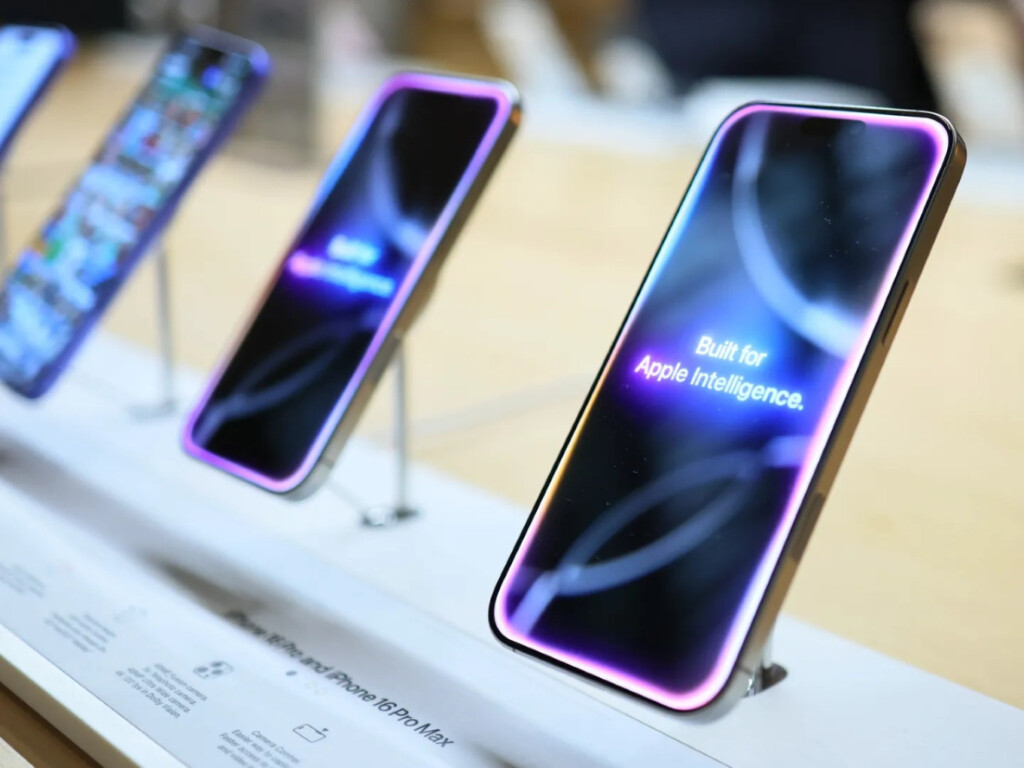
LONDON, 10 April 2025 — The cost of popular electronic gadgets, including iPhones, could rise dramatically across the globe following the imposition of steep tariffs by former US President Donald Trump on Chinese-made products. The 145% tariff on Chinese imports into the US — one of the most significant hikes in recent memory — is expected to send shockwaves through tech markets and consumer wallets alike.
iPhone and Tariff Impact: What You Need to Know
| Category | Current US Price | Tariff-Adjusted Price | Made in |
|---|---|---|---|
| iPhone 16 Pro Max (256GB) | $1,199 | $1,999 (+67%) | China |
| iPhone 16 Pro (128GB) | $999 | $1,046 (+5%) | India |
| Potential “Made in USA” iPhone | — | Up to $3,500 | USA (estimate) |
Investment bank UBS estimates that if Apple passes tariff costs directly to consumers, prices for China-manufactured iPhones could rise by hundreds — if not thousands — of dollars.
Apple’s Global Challenge
Apple, which sells more than half of smartphones in the US market according to Counterpoint Research, is deeply entwined with China-based manufacturing. Approximately 80% of iPhones sold in the US are assembled in China, with the remaining 20% coming from India — a growing hub in Apple’s diversification strategy.
With Trump’s 90-day tariff pause offering temporary relief to India and other partners, Apple has reportedly accelerated its production shift. Reuters revealed that Apple recently chartered flights carrying over 600 tonnes of iPhones from India to the US to buffer against potential disruption.
Could This Affect UK and Global Buyers?
Though the tariffs are US-specific, UK consumers may not be immune:
If Apple raises prices globally to maintain uniformity, British customers could see increased costs in local stores.
Currency impacts on the US dollar could influence the cost of importing gadgets globally.
Tech analyst Ben Wood of CCS Insight noted that Apple may opt to standardise pricing worldwide to avoid cross-market reselling for profit.
Extended Contracts, Used Phones May Rise
To cope with rising prices, mobile carriers may encourage longer payment plans. Current two-year contracts could soon be replaced by four or even five-year agreements, likened by analysts to “a mortgage for your smartphone”.
Furthermore, the UK second-hand smartphone market is projected to boom. CCS Insight estimates:
🔄 5.5 million second-hand smartphones will be sold in the UK in 2025, comprising 29.7% of total market sales.
This trend could be driven by price-conscious consumers opting for older iPhone models or exploring more affordable alternatives from Android competitors such as Samsung or Google.
Can Apple Absorb the Costs?
Despite the tariff shock, some experts believe Apple may cushion the blow:
“As a company with lucrative margins on its devices, Apple can absorb some of the tariff-induced cost increases without significant financial impact, at least in the short term,” said Dipanjan Chatterjee, principal analyst at Forrester.
Still, Apple’s global brand loyalty might allow it to pass some costs onto consumers without damaging sales. Chatterjee added:
“It is unlikely that a manageable price increase will send customers fleeing into the arms of Android-based competitors.”
Consumer Sentiment: Buying Now Before Price Rises
With uncertainty ahead, many US consumers have already begun making early purchases to avoid expected price hikes.
Anthony Cacioppo, a DJ in New York, said:
“I really didn’t need a phone… but I’m not ready to pay double the price.”
Julia Baumann, a personal finance editor, remarked:
“I bought a MacBook because the tariffs are coming. I expect prices to go up.”