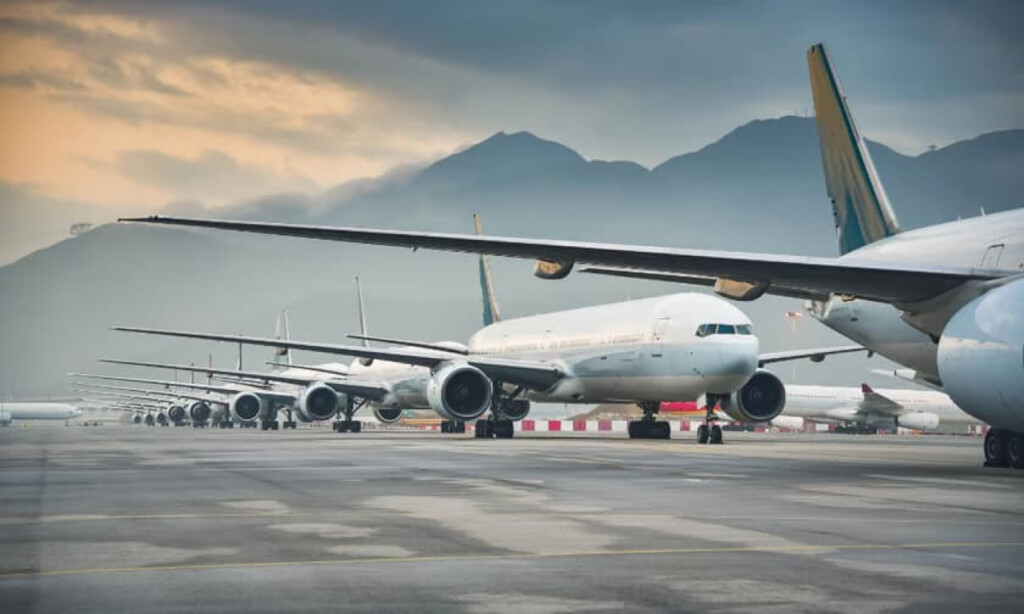
The escalating conflict involving Iran is placing unprecedented pressure on the global aviation insurance market, affecting underwriting, premiums, and overall risk management, according to global law and insurance firm Kennedys. As geopolitical tensions rise, the aviation war risk segment is emerging as a key vulnerability, reflecting both immediate operational challenges and longer-term market uncertainties.
Airspace and Operational Disruptions
Airlines operating routes between Europe, the Middle East, and Asia-Pacific are facing major operational hurdles. Key aviation hubs—including Singapore, Dubai, and Doha—are seeing increased air traffic congestion as carriers reroute flights to avoid conflict zones. These adjustments are resulting in longer flight durations, higher fuel consumption, and elevated operational risks.
Insurers are now scrutinising aircraft exposures more rigorously, particularly for flights transiting near or over conflict-affected regions. The heightened uncertainty complicates underwriting assumptions and may trigger stricter conditions for war risk coverage.
War Risk Market Pressures
The aviation war insurance market is already under strain following the unresolved claims and capacity shortages triggered by Russia’s invasion of Ukraine in 2022. The addition of a conflict involving Iran is expected to exacerbate these pressures. Insurers may respond with higher premiums, tightened coverage terms, or even policy cancellations, particularly for hull war, passenger liability, and third-party liability insurance.
Reinsurers are likely to reassess exposure limits, potentially reducing global capacity and imposing stricter underwriting requirements. This scenario would increase reinsurance costs for primary insurers, which are typically passed on to airlines, lessors, and other aviation operators, contributing to a broader hardening of the aviation insurance market.
Broader Aviation Ecosystem Impact
Kennedys emphasises that the ramifications extend across the entire aviation ecosystem. Airlines, airports, cargo operators, and aircraft lessors may face increased costs and operational uncertainty. While direct war-related claims are typically excluded from travel insurance policies, indirect losses—such as flight delays, cancellations, and business interruptions—are expected to rise, placing additional pressure on insurers in adjacent coverage lines.
The severity of impact will largely depend on the conflict’s duration and geographic spread. Short-term disruptions may be manageable if key air corridors remain operational, but sustained instability could compel insurers and reinsurers to recalibrate their risk appetites and pricing strategies in a volatile global landscape.
Potential Insurance Implications
| Coverage Type | Expected Premium Increase | Likely Market Response |
|---|---|---|
| Hull War Insurance | +15% to +30% | Stricter policy terms, possible cancellations |
| Passenger Liability | +10% to +25% | Enhanced risk evaluation |
| Third-Party Liability | +10% to +20% | Higher deductibles, limited capacity |
| Reinsurance | +20% to +35% | Reduced availability, tighter underwriting |
As geopolitical tensions persist, airlines and insurers are bracing for continued volatility, with market participants needing to adjust operational and financial strategies to mitigate emerging risks.