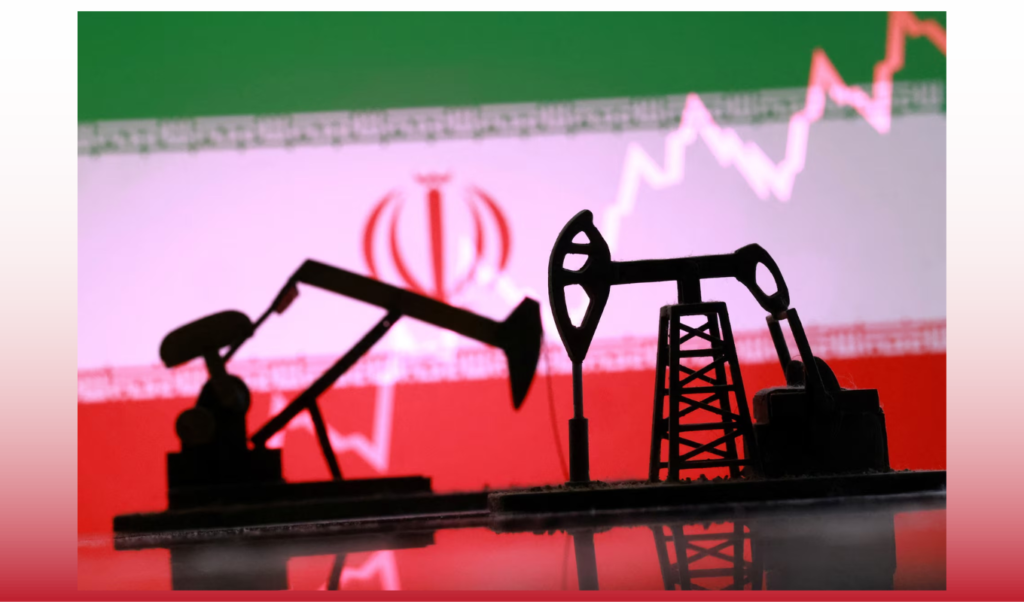
Iran generated approximately $7.5 billion from international crude oil sales during the first four months of 2026, marking a substantial increase in state revenues despite enduring economic pressures and stringent Western sanctions. Citing a report by the semi-official Fars News Agency, Al Jazeera confirmed that the foreign currency earnings from these petroleum exports have already been formally transferred to the Central Bank of Iran.
Export Expansion Amid Sanctions Regimes
Data released by the Iranian Ministry of Petroleum demonstrates that revenues for this initial four-month period rose by roughly 150 percent compared to the same timeframe in the preceding year. This financial surge provides significant momentum for the domestic economy, which has long grappled with limited access to global banking systems, trade restrictions, and unilateral sanctions led by the United States targeting the nation’s energy sector.
Over recent years, Tehran has systematically adapted its maritime logistics and trade networks to maintain crude shipments to primary buyers in Asia. By leveraging alternative payment mechanisms and refined trading routes, the state energy sector has managed to sustain consistent export volumes, insulating its core revenue streams from external diplomatic blockades.
Currency Stability and National Import Capacity
Iranian energy officials anticipate that this strong initial inflow will play a vital role in meeting the government’s foreign exchange requirements through to December. The steady influx of hard currency directly strengthens the central bank’s foreign exchange reserves, easing internal liquidity bottlenecks and helping to curb sharp fluctuations in the national currency, the rial.
A stable supply of foreign currency remains essential for financing the country’s essential import bill, particularly for critical goods such as food, industrial raw materials, and pharmaceutical supplies. Ministry representatives noted that the current financial buffer will considerably simplify the allocation of import funds for state agencies, allowing the government to navigate ongoing global commodity volatility with greater economic resilience.