Iran’s oil sector has recorded a sharp rise in earnings over the past month, driven by escalating global crude prices and heightened geopolitical tensions in the Middle East. According to the latest available estimates for April 2026, the country has seen a significant improvement in both daily oil revenues and overall export income.
In March 2026, Iran is reported to have earned an average of approximately $139 million per day from crude oil sales. This marks a notable increase from $115 million per day in February 2026, reflecting a rise of around 21% month-on-month. Some analytical assessments suggest that, under certain calculations and broader export assumptions, the increase in total oil-related income may have reached as high as 40% over a single month.
Key Revenue Trends
| Month (2026) | Average Daily Oil Revenue (USD) | Change |
|---|---|---|
| February | 115 million | — |
| March | 139 million | +21% |
Energy analysts attribute this surge primarily to the steep rise in international crude oil prices. Brent crude briefly exceeded $100 per barrel, allowing exporting countries such as Iran to secure significantly higher per-barrel earnings compared to earlier in the year. The increase has been further reinforced by persistent instability linked to US–Israel–Iran tensions, which has injected additional volatility into global energy markets.
Another contributing factor is the gradual reduction in discounting practices. Under long-standing international sanctions, Iran has often been compelled to sell oil at substantial discounts to attract buyers. However, tightening global supply conditions have reduced the extent of these price concessions, enabling Tehran to sell closer to prevailing market rates.
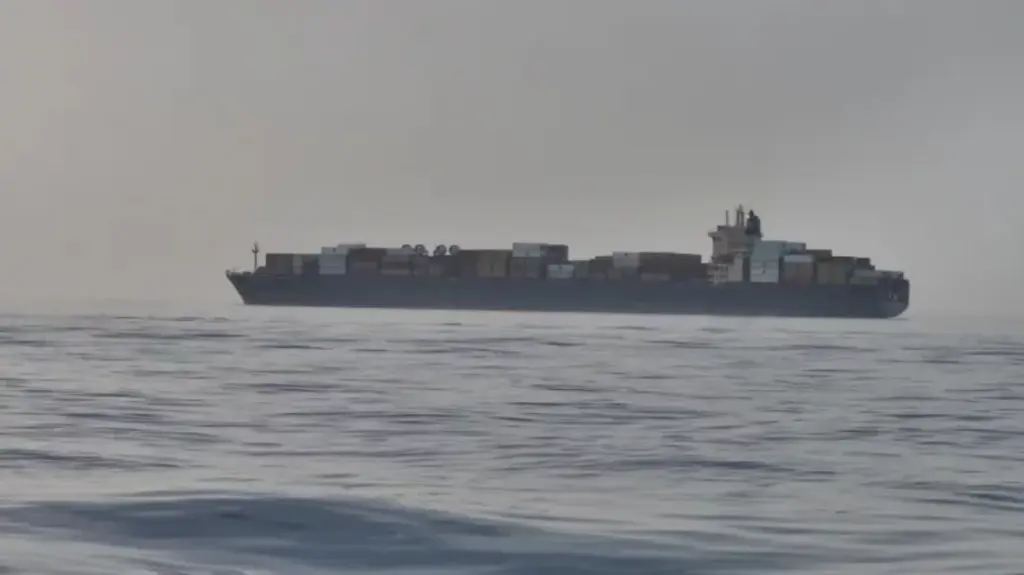
Despite continued sanctions pressure from the United States and its allies, Iran has maintained its export flow through alternative mechanisms. These include the use of a so-called “shadow fleet” of tankers operating with limited transparency, as well as strategic maritime routes through the Strait of Hormuz, one of the world’s most critical oil chokepoints.
China remains the dominant purchaser of Iranian crude, particularly through independent refineries that are more flexible in sourcing discounted or sanctioned oil supplies. This sustained demand has played a crucial role in stabilising Iran’s export volumes despite external restrictions.
Industry observers also note that regional shipping risks and intermittent security tensions in the Gulf have paradoxically contributed to higher global prices, indirectly benefiting Iranian revenues. As long as these conditions persist, Iran’s oil sector is likely to remain highly sensitive to geopolitical developments while continuing to rely on non-traditional export channels to sustain income growth.