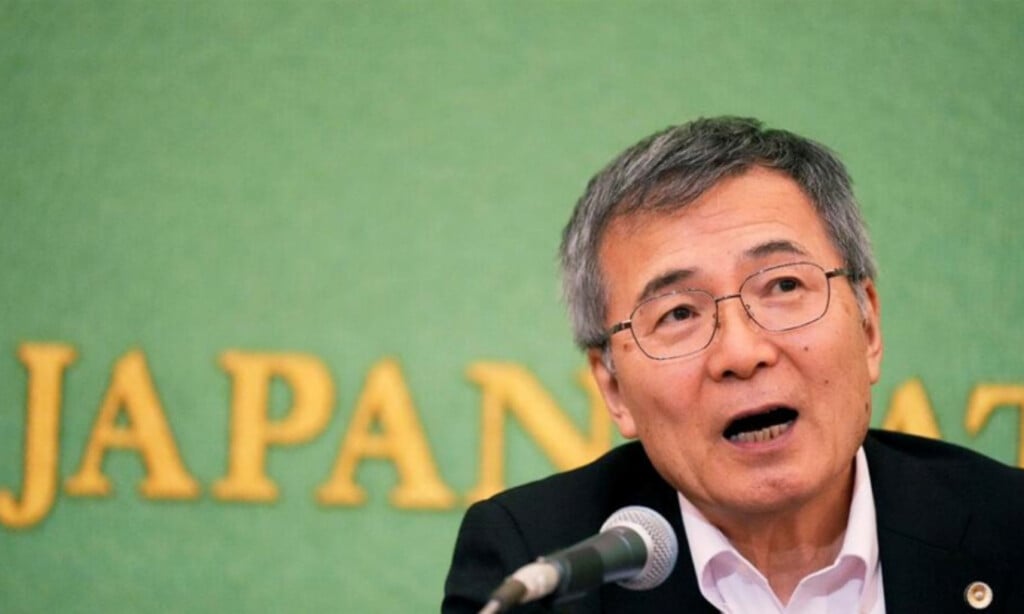
TOKYO, 25 March 2025 (BSS/AFP) – A Japanese man who was the world’s longest-serving death row inmate has been awarded $1.4 million in compensation after spending more than four decades in prison for a crime he did not commit, an official confirmed on Tuesday.
The compensation amounts to 12,500 yen ($83) for each day of the 48 years that Iwao Hakamada, now 89, spent behind bars, the majority of which were on death row, where he lived under the constant threat of execution.
Decades-Long Injustice
Hakamada, a former professional boxer, was originally convicted in 1968 for a quadruple murder that took place in 1966. However, after a relentless campaign led by his sister and supporters, he was exonerated in 2023 when the Shizuoka District Court ruled that he had been wrongfully convicted.
In a decision dated Monday, the court ordered that Hakamada be granted 217,362,500,000 yen in damages. The ruling follows a retrial verdict in September, where the court declared him not guilty and found that police had manipulated evidence in the original case.
Hakamada had endured “inhumane interrogations designed to force a confession,” which he later retracted, the court noted at the time.
Legal and Psychological Toll
Despite being a record-breaking sum for wrongful conviction compensation in Japan, Hakamada’s legal team argued that the payment was inadequate given the immense suffering he endured.
Decades of confinement under the shadow of execution severely affected Hakamada’s mental health. His lawyers have described him as “living in a world of fantasy,” highlighting the irreversible damage caused by his prolonged isolation.
Hakamada was the fifth death row inmate in post-war Japan to be granted a retrial, and like the four before him, he was ultimately found innocent.
Wider Implications
His case has drawn international attention to Japan’s judicial system, particularly the practice of prolonged detainment and the reliance on forced confessions. Japan remains one of the few developed nations that still enforces the death penalty, with inmates often kept in solitary confinement for decades, unaware of when their execution will be carried out.
Human rights organisations have long criticised the Japanese legal system, calling for reforms to prevent wrongful convictions and ensure fairer treatment of detainees. Hakamada’s case, and the compensation ruling, may reignite debates over capital punishment and judicial practices in the country.