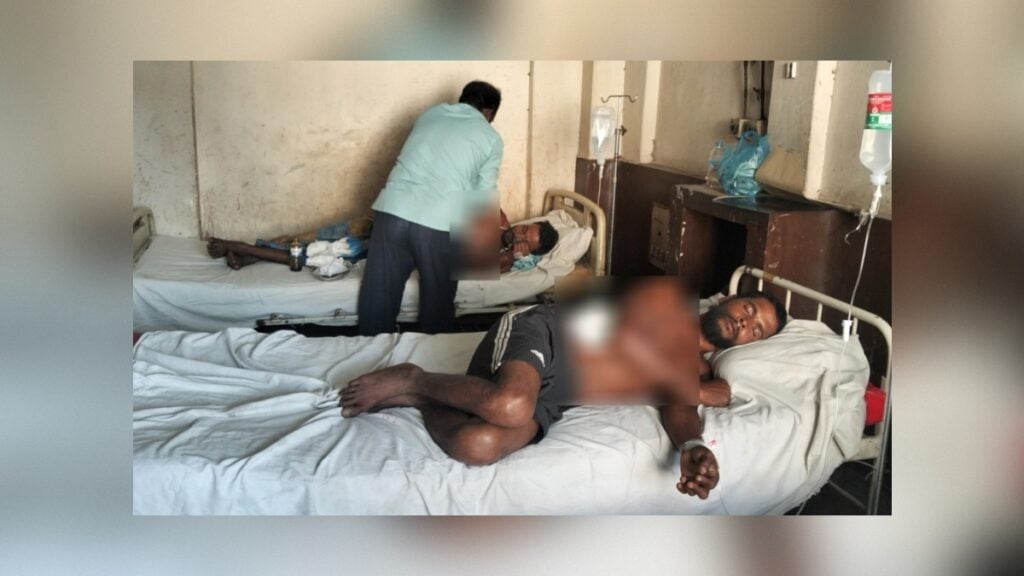
Healthcare facilities across Jhalakathi district in southern Bangladesh continue to receive a steady influx of dengue patients, with total hospital admissions reaching 2,340 since the beginning of the year. According to the latest epidemiological bulletin released by the Jhalakathi Civil Surgeon’s Office on Monday, 5 October, local healthcare infrastructure is currently managing 42 active cases across four primary public hospitals, alongside recording one fatality attributed to the mosquito-borne viral infection.
The comprehensive health surveillance report, covering the period from 1 January to 5 October, highlights a significant recovery rate despite the sustained transmission of the virus. Out of the 2,340 individuals admitted with symptomatic dengue fever, 2,298 patients have successfully recovered and been discharged following treatment. Over the preceding 24 hours alone, district hospitals recorded 17 new admissions alongside 13 patient discharges, with no additional casualties reported during this period.
A facility-wise breakdown of medical reports reveals that Jhalakathi Sadar Hospital bears the heaviest burden of the outbreak. The central district facility has registered 1,628 admissions to date, of which 1,615 patients have been discharged, 13 remain admitted, and one casualty occurred. Elsewhere in the district, Rajapur Upazila Health Complex has treated 390 patients, with 377 recoveries and 13 currently receiving care. Kathalia Upazila Health Complex reported 163 cumulative admissions, with 158 discharges and five active patients. Meanwhile, Nalchhiti Upazila Health Complex has managed 159 cases, resulting in 148 discharges and 11 individuals presently undergoing treatment.
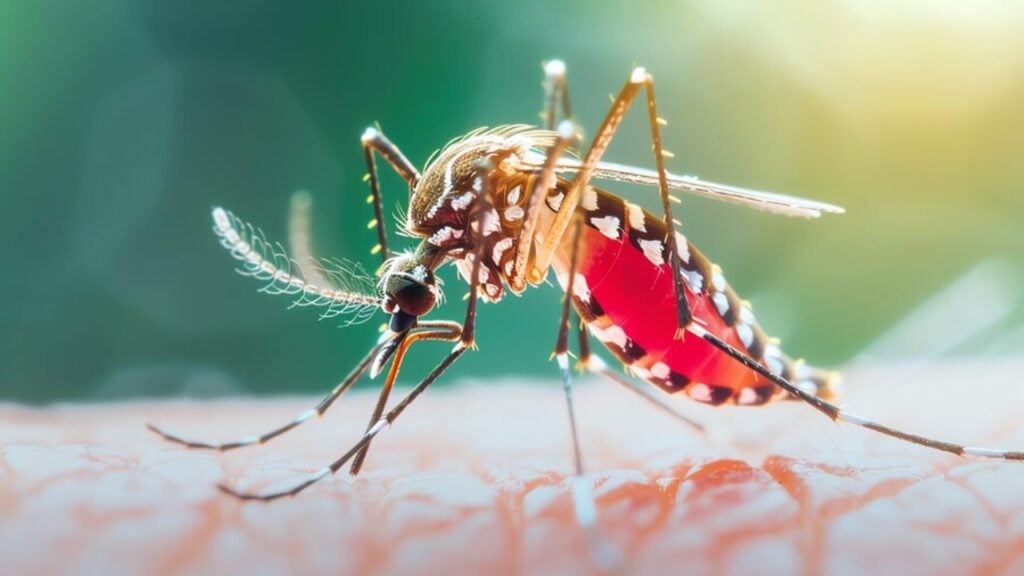
The ongoing outbreak reflects broader seasonal challenges across Bangladesh, where monsoon and post-monsoon rainfalls create ideal breeding environments for Aedes aegypti mosquitoes in stagnant water bodies, containers, and unmanaged urban spaces. Regional health authorities emphasize that early medical intervention and vector control remain crucial in mitigating severe complications such as dengue haemorrhagic fever and dengue shock syndrome.
Commenting on the current epidemiological situation, Jhalakathi Civil Surgeon Dr Md Humayun Kabir urged residents to remain vigilant and proactive. He emphasized that preventing vector proliferation requires routine community participation to clear standing water around residential premises and eliminate potential breeding sites. Dr Kabir advised members of the public experiencing persistent fever, joint pain, or other characteristic symptoms to seek immediate medical consultation at local health centres rather than resorting to self-medication.