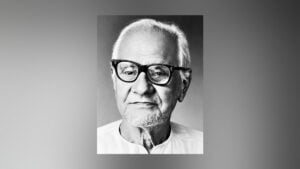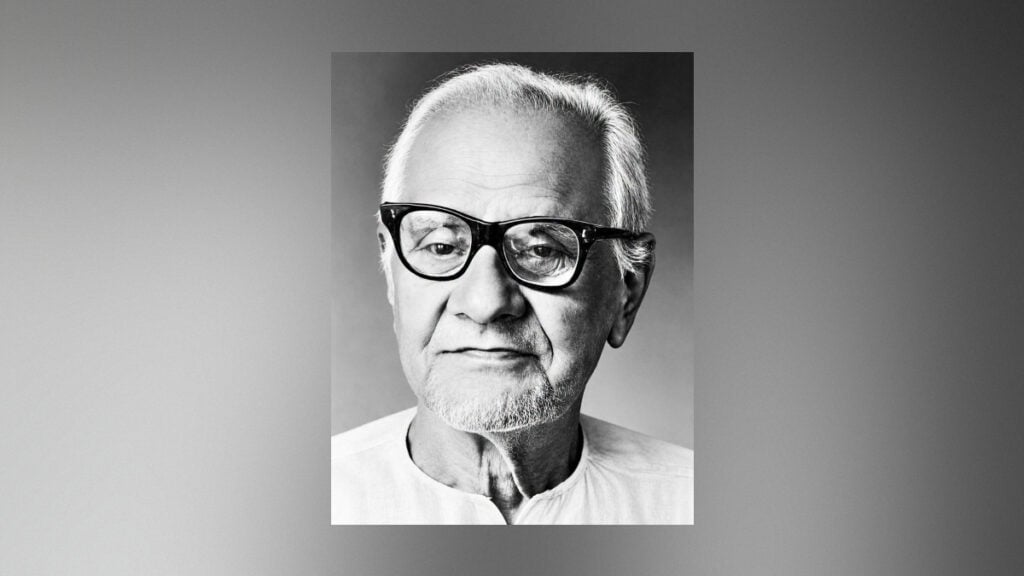
Mohammad Nasiruddin holds a distinguished place in the history of Bengali journalism, literature, women’s empowerment and secular cultural movements. A visionary editor, courageous journalist and patron of literature and culture, he devoted his life to promoting progressive ideas and challenging social conservatism. The magazines he founded and edited, Saugat and Begum, were far more than literary publications. They became influential platforms for intellectual development, women’s education, female self-expression and the cultural awakening of Bengali Muslim society.
Born on 20 November 1888 in the village of Paikar in Chandpur district, Mohammad Nasiruddin came from an ordinary family. Despite growing up amid financial difficulties and social constraints, he developed an early interest in education, literature and social reform. Through determination and an independent outlook, he gradually established himself as one of the leading progressive voices in Bengali journalism.
During his lifetime, opportunities for literary engagement and independent expression among Bengali Muslims, particularly women, were severely limited. Conservative social attitudes often prevented women from pursuing education, participating in intellectual activities or making their voices heard in public. Nasiruddin recognised that genuine social progress required education, freedom of thought, literary engagement and equal participation by men and women.
On 2 December 1918, he published the first issue of Saugat under his editorship, marking an important development in the history of Bengali periodicals. The magazine soon became a meeting place for progressive writers, poets, intellectuals and cultural figures. Among those whose writings appeared in its pages were Kazi Nazrul Islam, Begum Rokeya, Shamsunnahar Mahmud and Begum Sufia Kamal, alongside numerous other prominent literary figures.
One of Saugat’s most significant contributions was creating opportunities for Muslim women to participate in literary and social life. At a time when even publishing photographs of Muslim women could provoke considerable opposition, Nasiruddin took the courageous step of presenting women in the magazine. Their photographs, biographies, literary works, personal achievements and opinions were published, helping them gain social recognition and establish a stronger sense of identity and self-respect.
Through Saugat, Nasiruddin consistently promoted women’s education, equal rights, social reform, communal harmony and secular values. The magazine also provided space for anti-colonial sentiment and nationalist ideas. He believed that literature should not be confined to entertainment. Rather, he regarded it as a powerful instrument for transforming society, encouraging critical thinking and broadening people’s intellectual horizons.
In 1926, he established the Saugat Sahitya Majlis, a literary association that contributed to the development of Bengali literature. It brought together writers, poets, intellectuals and cultural activists, creating opportunities for literary discussions, exchanges of ideas and constructive criticism. The initiative helped strengthen connections among members of the contemporary literary community and encouraged a more active culture of intellectual engagement.
Another landmark in his career came in 1947, when he launched Begum, a periodical dedicated specifically to women. The publication reflected his longstanding ambition to provide women with an independent platform for literary expression, education and social awareness. Renowned writer Begum Sufia Kamal served as its first editor. She was later succeeded by Nurjahan Begum, who played a particularly significant role in developing the magazine and remained associated with its editorial leadership for decades.
Begum became one of the most influential publications addressing women’s education, rights, creativity and social participation. It offered women an opportunity to write about their experiences, express their opinions and engage with issues affecting society. At a time when many women were confined by traditional expectations and limited access to public platforms, the magazine brought their thoughts and creative contributions before a wider readership.
Its importance extended beyond literature. By encouraging women to discuss education, family, society, culture and their rights, Begum helped challenge established assumptions about women’s roles. It also provided a space for aspiring female writers to develop their skills and gain recognition. The magazine’s contribution to women’s intellectual and cultural advancement remains an important chapter in the history of Bengali journalism.
Nasiruddin’s commitment to literature and journalism continued throughout his later years. In 1976, he introduced the Nasiruddin Gold Medal to recognise outstanding contributions to Bengali literature and journalism. The initiative reflected his desire to encourage creative achievement and acknowledge those who dedicated their lives to enriching the country’s literary and journalistic traditions.
His contributions were also recognised through various institutional responsibilities and national honours. He was a fellow of Bangla Academy and served as chairman of the boards of trustees of the National Museum and Nazrul Institute. In recognition of his achievements in journalism, literature and cultural development, he received several prestigious awards, including the Ekushey Padak, the Independence Day Award and honours from Bangla Academy.
Throughout his long career, Nasiruddin demonstrated that an editor’s responsibilities extend far beyond selecting and publishing news or literary contributions. He believed that journalism should enrich society’s intellectual environment, nurture emerging writers, bring marginalised voices into public discussion and challenge outdated social attitudes. His editorial decisions reflected a commitment to opening doors for people who had long been denied opportunities to participate in cultural and intellectual life.
He died on 21 May 1994 at the age of 105, leaving behind an extraordinary legacy in Bengali journalism and literature. His passing marked the end of a remarkable life, but the institutions and publications he helped establish continued to reflect the principles that had guided his work.
The historical contributions of Saugat and Begum remain particularly significant. Both publications helped reshape the literary landscape of their time. While Saugat encouraged progressive literary expression and intellectual debate, Begum created a lasting platform for women’s voices and aspirations. Together, they represented Nasiruddin’s conviction that education, literature and freedom of expression were essential to building a more enlightened society.
His work was especially important in challenging the social barriers that restricted women’s participation in public and intellectual life. By providing women with opportunities to publish their writings, share their ideas and gain recognition, he helped create conditions in which future generations of female writers and thinkers could flourish.
Mohammad Nasiruddin was not simply an editor who established successful magazines. He was a social reformer who understood the transformative power of journalism and used it to challenge the limitations of his time. His commitment to progressive thinking, secular values, literary development and women’s empowerment made him one of the notable figures in the history of Bengali cultural and intellectual movements.
On the anniversary of his birth, his contributions deserve renewed recognition and respect. His life serves as a reminder that meaningful social change often begins with individuals who have the courage to question established conventions and create opportunities for others.
Mohammad Nasiruddin was the visionary behind more than just Saugat and Begum. He helped inspire an intellectual and social awakening whose influence extended across generations. His work and ideals remain an enduring part of Bengali journalism, literature and the history of women’s empowerment.
Deep respect and tribute to Mohammad Nasiruddin, the pioneering editor whose vision helped shape a more progressive society.