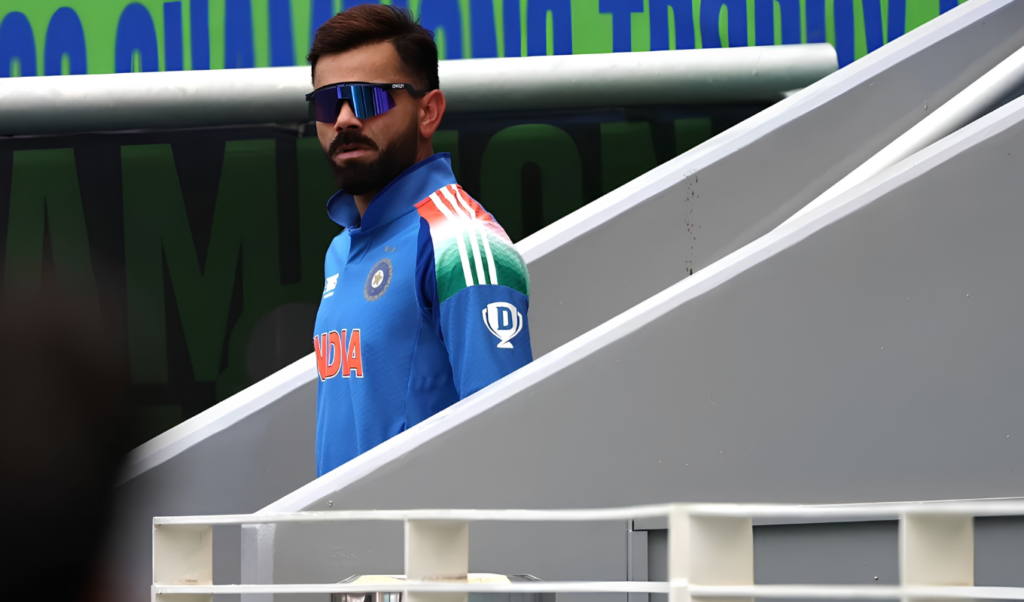
Following India’s defeat in the Test series against South Africa in ২০২২, criticism of the national team intensified both domestically and internationally. In the immediate aftermath of the series loss, Virat Kohli announced his decision to step down as captain of the Indian Test side, marking the end of a significant leadership tenure.
Prior to relinquishing the Test captaincy, Kohli had already stepped down from leading the Twenty20 International side. Subsequently, he was removed from the One Day International (ODI) captaincy by the Board of Control for Cricket in India (BCCI), which at the time was headed by Sourav Ganguly. These developments resulted in Kohli no longer holding the captaincy role across all three international formats within a relatively short period.
Kohli served as India’s Test captain for approximately seven years. During this period, he led the team in 68 Test matches, securing 40 victories. By this measure, he remains India’s most successful captain in Test cricket in terms of total wins. His tenure included consistent performances and a strong win record, both at home and in overseas conditions.
A statistical summary of Kohli’s Test captaincy is provided below:
| Category | Record |
|---|---|
| Matches as captain | 68 |
| Wins | 40 |
| Losses | 17 |
| Draws | 11 |
| Win percentage | Approximately 58.8% |
| Duration | About 7 years |
In a recent interview, Kohli elaborated on the mental strain associated with his leadership role. He stated that he had initially been a key contributor to the team’s batting line-up before being entrusted with the captaincy. Reflecting on that period, he acknowledged that he did not fully understand the extent to which the responsibility would affect his life. He noted that, by the time he decided to step down, he felt mentally exhausted, stating that he had “nothing left” within himself at that point.
Kohli further explained the constant scrutiny surrounding performance. According to him, if he failed to score runs, questions would arise even in victory; conversely, if he performed well but the team lost, criticism would still follow. Managing these dual pressures simultaneously became increasingly difficult over time.
He also described how this pressure extended into practice sessions. Kohli admitted that he often felt he was not performing adequately, even during training. The presence of younger players added to his concerns, as he worried they might question his long-standing place in the team if his practice performances were not up to standard.
Kohli mentioned that Rahul Dravid’s brother understood his situation, having experienced similar challenges himself. On the basis of that advice, Kohli gradually began to focus on enjoying the game again.
These reflections highlight the demands associated with leadership in international cricket, particularly at the highest level, where expectations and scrutiny remain constant.