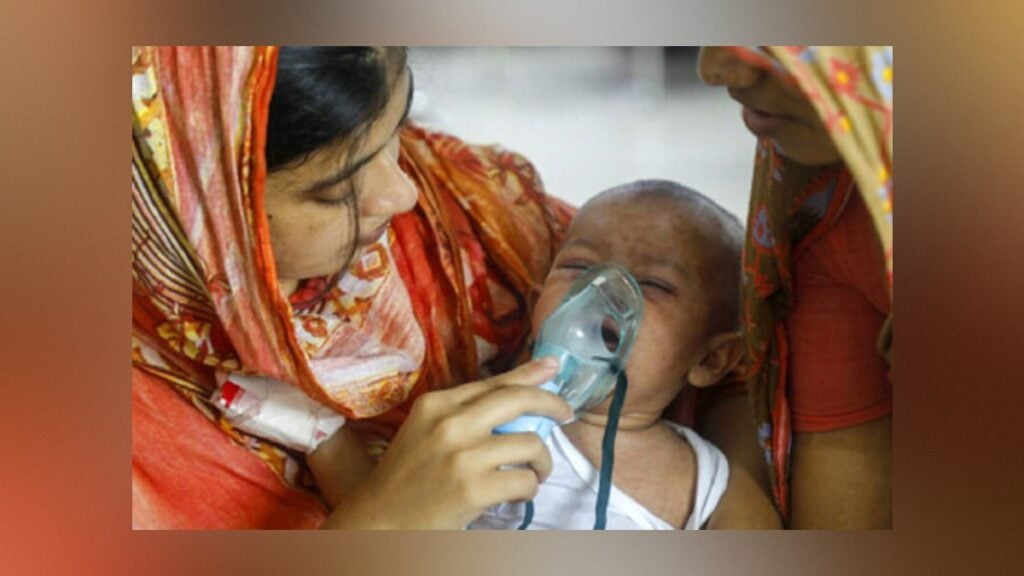
Of the seven deaths reported, six involved patients suspected of having measles, while one was confirmed to have died from the disease. The latest figures highlight the continuing pressure on the country’s healthcare system as authorities work to contain the spread of the highly contagious viral infection.
According to the DGHS Health Emergency Operations Centre and Control Room, the figures cover the 24-hour period from 8am on 26 October to 8am on 27 October. During that time, 1,232 suspected measles cases were recorded, alongside 63 newly confirmed infections.
Dhaka records the highest number of suspected cases
The distribution of suspected cases and deaths varied across the country. Chattogram and Khulna divisions each reported two deaths among suspected measles patients over the 24-hour period. Dhaka and Barishal divisions recorded one death each. A further death was attributed to confirmed measles.
Dhaka Division reported the highest number of new suspected cases, with 504 recorded in a single day. Chattogram ranked second, with 248 suspected cases.
The figures indicate that several parts of the country continue to face a significant burden of suspected infections. However, suspected cases and confirmed cases are distinct categories. A suspected case is identified on the basis of symptoms or other surveillance criteria, while confirmation depends on the applicable diagnostic and public health assessment procedures.
More than 223,000 suspected cases reported since March
The cumulative figures underline the scale of the outbreak. According to the DGHS, between 15 March and 27 October 2026, Bangladesh recorded 223,784 suspected measles cases nationwide. The number of confirmed cases over the same period reached 23,541.
During this period, 1,135 deaths were recorded among suspected measles patients, while 105 people died after being confirmed as having measles.
Many patients remain in hospital receiving treatment, while others have recovered and returned home following medical care. The continuing reports of new infections and deaths have reinforced the need for effective disease surveillance, timely diagnosis and access to appropriate treatment.
Vaccination and early treatment remain crucial
Measles is a highly contagious viral disease that spreads through respiratory droplets and airborne particles released when an infected person coughs or sneezes. Children who have not received the recommended measles-containing vaccines, or whose vaccination schedules are incomplete, are particularly vulnerable to infection.
Common symptoms include fever, a cough, a runny nose, red or watery eyes and a characteristic rash that usually develops after the initial symptoms. In some cases, the disease can lead to serious complications, including pneumonia, severe dehydration and other potentially life-threatening conditions.
Early medical assessment is essential when a child develops symptoms consistent with measles. Parents and caregivers should seek advice from qualified healthcare professionals rather than relying solely on home treatment, particularly if the child’s condition deteriorates.
Vaccination remains one of the most effective ways to prevent measles and limit its spread. Parents are encouraged to check whether their children have received the recommended doses and to contact local vaccination centres or healthcare workers if any doses have been missed.
The DGHS and relevant authorities are continuing precautionary measures and efforts to strengthen vaccination activities to contain the outbreak. Prompt identification of suspected infections, appropriate medical care and protection for vulnerable children remain important elements of the response.
The latest deaths and the continued rise in reported cases underscore the importance of sustained public health efforts. Effective coordination between healthcare providers, public health authorities and families will be essential to reduce transmission and protect children from preventable complications.