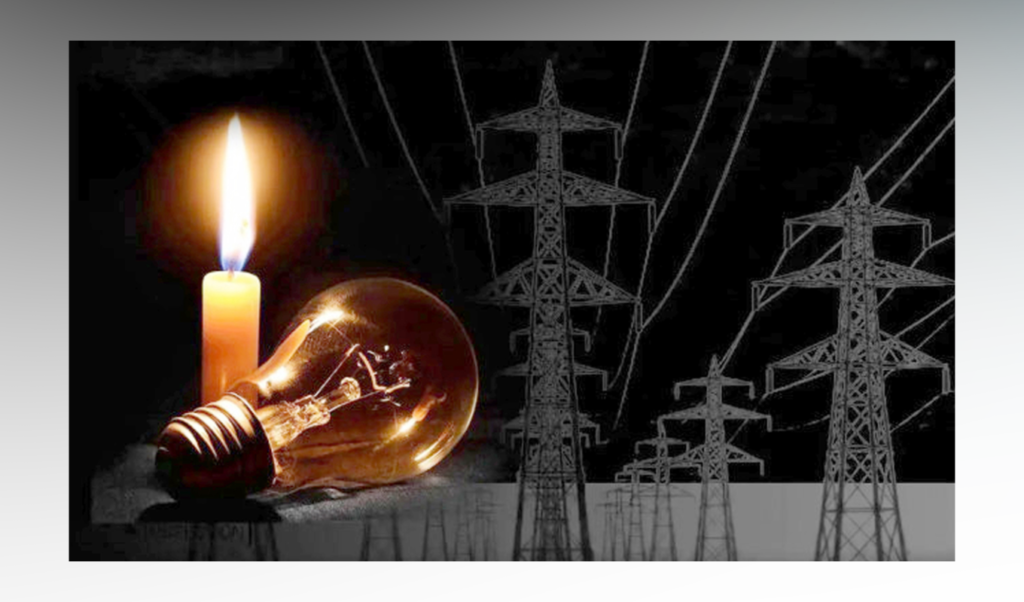
Power distributions across Bangladesh experienced a deficit of 529 megawatts (MW) during Wednesday evening’s peak operational window at 7:30 PM. National demand climbed to 16,211 MW during this interval, forcing grid operators to enforce rotational load-shedding to maintain structural stability across the national power network.
Regional Load Distribution and Grid Pressure
According to operational data released on Wednesday night by Power Grid Bangladesh PLC (PGCB), the country’s high-voltage transmission authority, the Mymensingh distribution zone recorded the most severe supply deficit. Facing a local demand of 1,421 MW, the region was subjected to 256 MW of load-shedding, accounting for nearly half of the entire nation’s power shortage during peak hours.
In contrast, the Dhaka division—which represents the national capital and the highest concentration of commercial and residential consumption—recorded a peak demand of 6,184 MW. Grid operators managed to meet the vast majority of this load, limiting rolling blackouts in the metropolis and its adjacent industrial belts to 154 MW.
Other industrial and agricultural corridors registered moderate operational shortfalls. The Comilla distribution zone reported a 50 MW deficit against a requirement of 1,455 MW, whilst the Khulna zone experienced 49 MW of shedding against a demand of 1,924 MW. In the north-western Rajshahi division, power utilities recorded a minor shortfall of 20 MW against a regional requirement of 1,533 MW.
Stable Supply Across Southern and Northern Belts
Despite the transmission pressures in central and eastern territories, power distribution remained stable across four major operational zones, where grid authorities met 100 percent of consumer demand without resorting to forced outages.
In the south-eastern port city and commercial hub of Chittagong, distribution utilities fully supplied the total peak demand of 1,512 MW. Similarly, the Sylhet region received its full allocation of 668 MW, the Barisal zone met its complete requirement of 481 MW, and the northern agricultural hub of Rangpur received its full demand of 1,033 MW without disruption.
The peak-hour deficit highlights ongoing fuel logistics pressures and supply management constraints within the domestic power sector. During peak summer and monsoon evening hours, rapid surges in residential cooling demand regularly push the national grid to peak capacity, straining primary transmission lines and leaving specific regional pockets vulnerable to localized generation shortfalls.