Public life across Bangladesh has been plunged into severe distress as an unrelenting heatwave collides with a worsening energy crisis. A lethal combination of diminishing gas supplies, plummeting output at major coal-fired power stations, and an acute shortage of liquid fuel pushed the nation’s power deficit past the 3,500-megawatt (MW) mark on Saturday afternoon. From densely populated urban neighbourhoods in Dhaka to crucial industrial hubs, frequent load-shedding and low gas pressure have left households struggling and factory assembly lines grounded.
Data released by Power Grid Bangladesh exposes the dramatic gap between generation capacity and consumer demand throughout the day. At 5:00 pm on Saturday, the national demand stood at 16,469 MW against a total supply of just 12,952 MW, leaving a massive deficit of 3,517 MW. By 6:00 pm, the shortfall adjusted slightly to 3,027 MW, with demand recorded at 16,389 MW against a supply of 13,362 MW. As evening set in and domestic appliance use peaked, demand soared to 17,541 MW at 7:00 pm, whilst generation managed 14,531 MW, maintaining a 3,010 MW gap. By 7:30 pm, power demand edged higher to 17,551 MW, but supply dropped to 15,019 MW, leaving a deficit of 2,532 MW.
The shortage plagued the grid right from daybreak. Irregular supply patterns meant several districts experienced erratic power cuts, with electricity returning for an hour only to vanish again, often exceeding scheduled outage windows.
At the heart of the collapse is a crippled primary fuel supply chain. Natural gas remains the bedrock of Bangladesh’s power generation, yet gas-based plants are operating well below their installed potential. Figures from Petrobangla indicate that total gas supply on Saturday night dropped to 2,192 million cubic feet per day (mmcfd), comprising 1,612 mmcfd from domestic fields and a meagre 580 mmcfd from imported Liquefied Natural Gas (LNG). This reflects a sharp drop from earlier in the week when LNG supplies consistently surpassed 750 mmcfd.
A major contributor to this sudden dip was the scheduled maintenance of Summit’s floating LNG terminal, which remained out of commission from 6:00 am to 8:00 pm on Saturday. During this period, Excelerate’s terminal carried the load, dispatching between 550 and 570 mmcfd. Whilst officials anticipate a slight recovery following Summit’s evening restart, broader supply prospects remain bleak. Although two new LNG cargoes are scheduled to arrive on 1 September and 4 September respectively, the cancellation and non-arrival of several previously scheduled shipments have left the energy grid vulnerable. Official estimates place daily national gas demand at 3,800 mmcfd, though industry insiders argue true demand sits between 5,000 and 5,500 mmcfd. Under normal operations, supply hovers around 2,650 mmcfd, ensuring a structural deficit even at the best of times.
Rezaul Karim, Chairman of the Power Development Board (PDB), acknowledged that generation from flagship coal-fired infrastructure—including the Payra, Adani, and Matarbari facilities—has fallen sharply. With total gas availability for power generation dipping below 700 mmcfd, gas-fired generation capacity has plummeted under 4,500 MW. Oil-fired power stations have similarly failed to bridge the gap due to depleted stock levels.
The coal sector offers little respite. One unit at the Matarbari plant remains offline, whilst supply shortfalls from the Adani facility in India have cut expected imports by 500 to 600 MW. The Payra plant requires long-overdue overhaul and maintenance, but authorities cannot afford to take it completely offline given the existing national shortfall. Attempts by the PDB to scale up liquid fuel generation have been thwarted by inventory bottlenecks, creating an unprecedented simultaneous deficit across gas, coal, and oil resources.
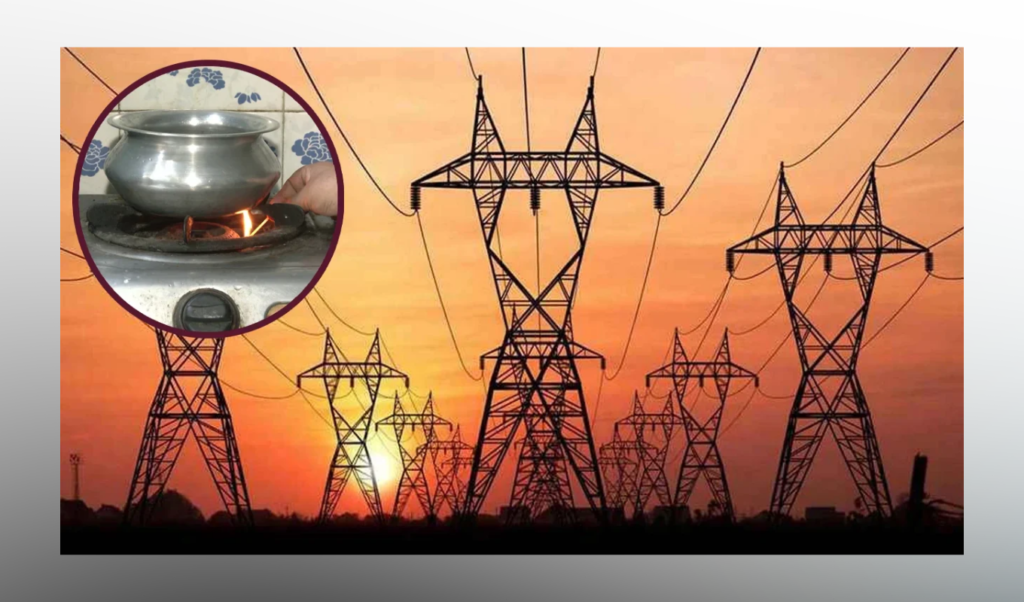
This dual utility failure has severely disrupted domestic life. With mains gas pressure dropping to negligible levels in urban centres, many households turned to electric induction stoves or rice cookers, only to be hit by prolonged power outages. Residents in Dhaka’s Mirpur area reported that gas pressure vanishes early in the morning, forcing families to rely on costly Liquefied Petroleum Gas (LPG) cylinders, which is putting additional pressure on household budgets.
The industrial fallout is equally grave. Manufacturing belts across Gazipur, Narayanganj, and Narsingdi report substantial drops in pipeline gas pressure, halting machinery for long stretches of the working day. Factory managers are being forced to run heavy-duty diesel generators, a workaround that dramatically inflates operational expenses and threatens export deadlines for garment shipments. Meanwhile, Compressed Natural Gas (CNG) filling stations are witnessing queues of commercial and private vehicles stretching down main roads, as drivers endure hours-long waits to refuel. With high summer temperatures driving up cooling demand, energy experts warn that unless primary fuel import pipelines stabilize immediately, the grid faces even deeper rolling blackouts in the days ahead.