In the heroic history of Bangladesh’s Liberation War, certain military officers stand out for their extraordinary courage, strategic intellect, and sacrifice. Lieutenant Colonel Abu Taher Mohammad Haider, known affectionately to his comrades by his nickname ‘Muktu’, was one such commander. A highly skilled artillery officer, formidable guerrilla instructor, and battlefield strategist, his contributions proved instrumental in achieving national independence.
Born on 12 January 1942 in Bhabanipur, Kolkata, Haider hailed from Kandail village in the Karimganj upazila of Kishoreganj district. His parents were Mohammad Israil and Hakimunnesa Begum. Demonstrating academic brilliance and bravery from his early years, Haider joined the Pakistan Army after completing his military training at the Pakistan Military Academy. He was commissioned into the Artillery Regiment and went on to qualify as an elite commando specialist.
When the Pakistani military launched its brutal crackdown on unarmed Bengalis on the night of 25 March 1971, Haider rejected his allegiance to the Pakistan Army. Abandoning his posting at Comilla Cantonment, he joined the armed resistance for liberation. He was appointed Second-in-Command of Sector 2 under the leadership of Major Khaled Mosharraf, Bir Uttam. Operating out of the sector’s primary training camp at Melaghar in Tripura, India, Haider became the central instructor and organiser of guerrilla forces.
Through rigorous training, strict discipline, and tactical foresight, Haider forged a formidable network of urban and rural fighters. Among his trainees were the legendary members of the Dhaka Crack Platoon, including Shafi Imam Rumi, Badiul Alam, and Abdul Halim Jewel. Haider trained these young men in firearms handling, explosives, and hit-and-run tactics. Under his guidance, the Crack Platoon executed daring operations against key infrastructure, power stations, and military installations across Dhaka, striking fear into occupation forces.
Following Major Khaled Mosharraf’s severe injury at the Battle of Kasba on 23 October 1971, Haider assumed full command of Sector 2. He had previously served as deputy commander and played a vital role in K Force, formed on 7 October. Under his leadership, liberation forces intensified their offensive until the final surrender of Pakistani forces on 16 December 1971. In recognition of his courageous service and leadership, the Government of Bangladesh conferred upon him the country’s second-highest military gallantry award, ‘Bir Uttam’.
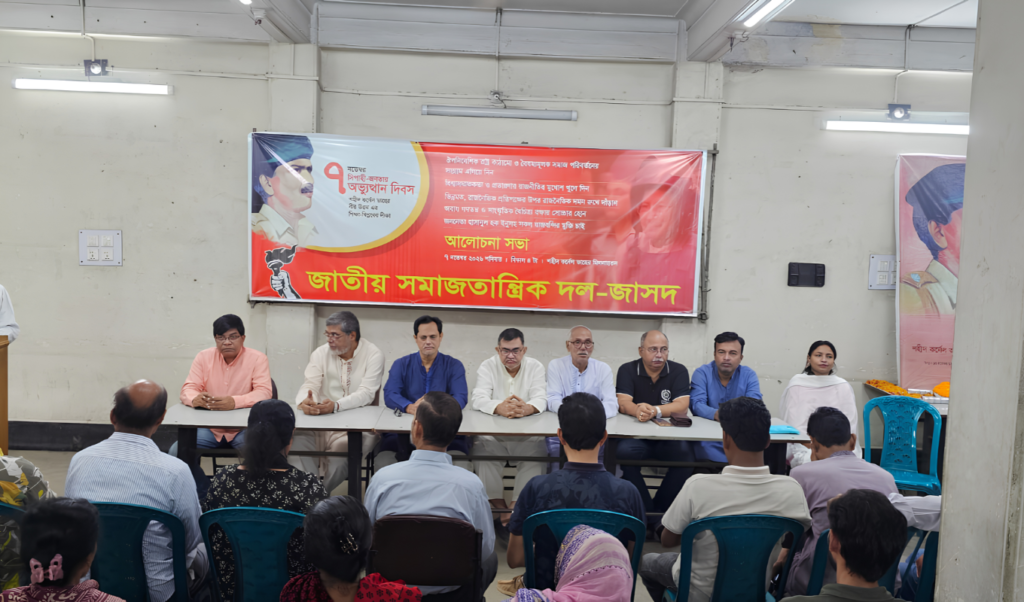
Tragedy struck four years after independence amidst intense political turmoil and military instability. Following the 3 November 1975 coup led by Major General Khaled Mosharraf, a counter-coup erupted on 7 November. On that fateful day, Lieutenant Colonel ATM Haider was assassinated inside Dhaka Cantonment alongside Major General Khaled Mosharraf, Bir Uttam, and Colonel Khondkar Nazmul Huda, Bir Bikrom. Cut down at the young age of 33, Haider met a tragic end at the hands of internal military strife—a painful irony for a hero who had risked everything to liberate his motherland.