Khaborwala Online Desk
Published: 15 Jan 2026, 10:57 am
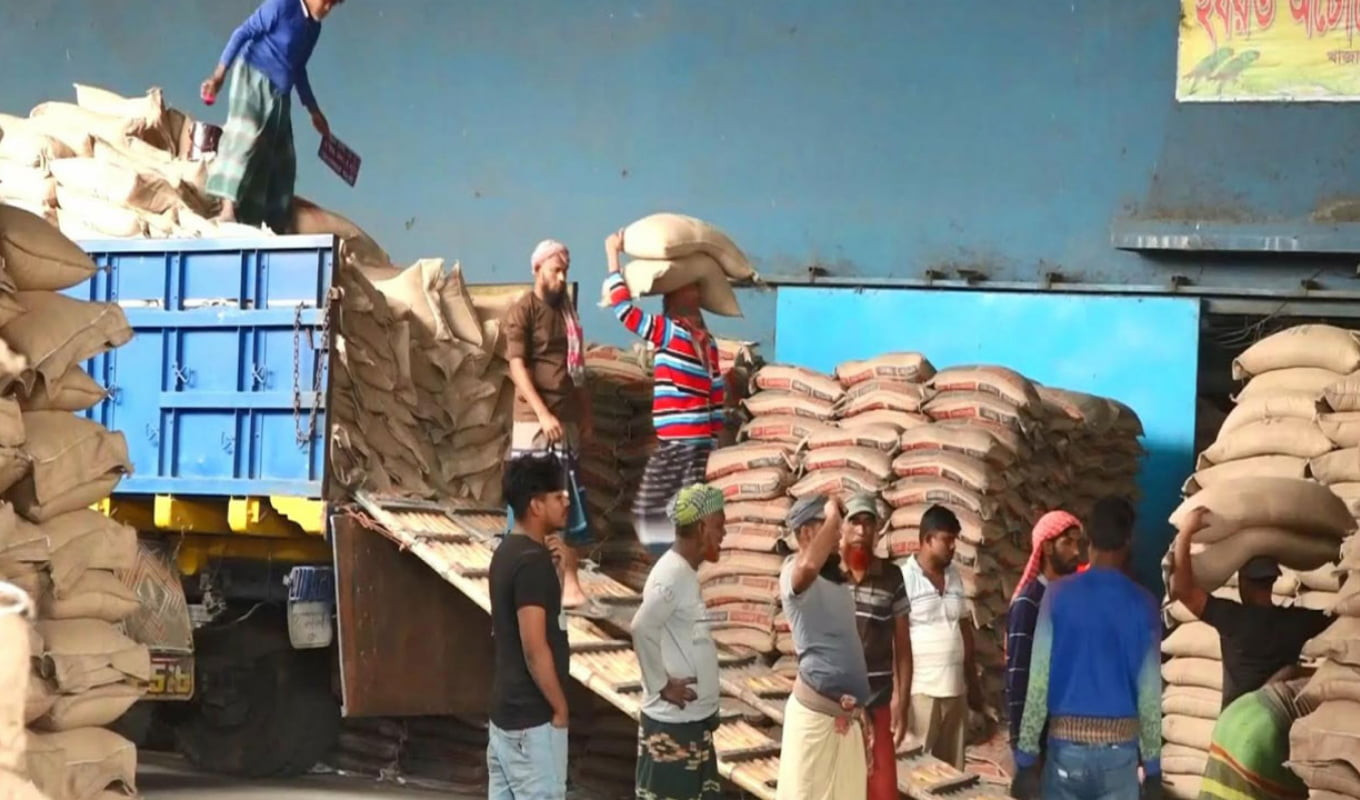
At the onset of the new year, Kushtia’s renowned rice hub, Khajangor, has witnessed a noticeable increase in prices across all varieties of rice. Traditionally famed for its slender rice grains, the market is now seeing price hikes affecting medium and coarse rice as well. Over the past few days, retail prices have risen by 2 to 3 taka per kilogram, sparking concern and dissatisfaction among consumers. Despite an apparently normal supply of rice in the market, buyers are demanding swift intervention to stabilise prices.
A survey of local markets reveals that Basmati rice, a high-demand variety, has increased from 92 taka per kilogram to 94 taka. Miniket rice rose from 74 to 77 taka, Kajallata from 66 to 68 taka, Atash from 58 to 60 taka, and coarse rice from 50 to 52 taka per kilogram. Traders indicate that these price adjustments have taken effect over the last three to four days.
Recent Rice Prices in Kushtia Municipal Market
| Rice Variety | Previous Price (BDT/kg) | Current Price (BDT/kg) |
|---|---|---|
| Basmati | 92 | 94 |
| Miniket | 74 | 77 |
| Kajallata | 66 | 68 |
| Atash | 58 | 60 |
| Coarse Rice | 50 | 52 |
Retailers report friction with consumers following the sudden price surge, which contrasts sharply with a previously stable market. Many shopkeepers note that although sufficient stocks of rice and newly harvested paddy are available, millers have raised prices at the procurement level, compelling retailers to sell at higher rates. Even transparency in displaying both purchase and selling prices has failed to placate customer concerns.
Mill owners explain that paddy prices have escalated to between 120 and 130 taka per maund, leaving them no alternative but to adjust rice prices accordingly. Early bulk deliveries to the Food Department have emptied mill warehouses, intensifying competition for fresh paddy and consequently raising its price. In this context, a 2-taka per kilogram increase is considered reasonable by producers.
The impact is most acutely felt by lower-income groups. Daily wage earners and rickshaw drivers say the rising cost of rice, a staple food, adds significant pressure to household budgets already strained by rising living expenses.
Authorities have announced heightened monitoring of rice markets. Meetings with mill owners have yielded strict directives prohibiting price hikes before Ramadan. Where paddy prices escalate unreasonably in procurement regions, coordination with the relevant districts will ensure timely intervention, including legal and punitive measures if necessary.
Experts suggest that regular market surveillance, transparent stock reporting, and, where needed, strategic imports could stabilise rice prices nationwide, including Kushtia, preventing sudden shocks for consumers.

> Eid Welcomes Fresh Faces in Dhallywood
> Six Senior Police Officers Reassignedc
> Pakistan Greets Bangladesh on Independence Day
> Billion-Pound Bid for IPL Royals
> Abahani Hockey Icon Zaki Ripon Passes Away
> Remembering Sanjida Khatun in Song
> "Joy Bangla, Banglar Joy": Song of Freedom and Unity
> US Secretary of State Congratulates Bangladesh Independence Day
> Four Dead, 41 Missing After Bus Sinks at Daulatdia Ferry Terminal
> Road Deaths Spike During Eid Holiday: Discrepancies Highlighted
> Nabin Fashion Branches Remain Open Amid Controversy
> Shepherd Secures $42M to Transform Commercial Insurance
> US Submits 15‑Point Peace Proposal to Iran
> Flights Suspended Amid Regional Tensions


This Eid, Dhallywood has introduced a host of new actors to the silver screen, marking significant d...

In a fresh round of administrative reshuffles, the Bangladesh Police has transferred and reassigned...

Pakistan has extended warm felicitations to Bangladesh on the occasion of its Independence Day, reaf...

The Bangladesh sporting fraternity is reeling from the sudden loss of Zaki Ahmed Ripon, a veteran fi...

The passing of an individual can sometimes signal the end of an era. On 25 March 2025, Bangladesh mo...

“Joy Bangladesh, victory for BengalVictory for Bengal, surely it shall beMillions of souls awaken to...

In a message marking the occasion of Bangladesh’s Independence Day, United States Secretary of State...

Press Release (1)Date: 26 March 2026On the occasion of the great Independence Day, the Jatiya Samajt...
As of December 2025, Bangladesh’s total foreign debt reached $113.51 billion, equivalent to 13,96,17...

Today, 26 March 2026, the nation commemorated its Independence and National Day with a grand parade...

In a solemn ceremony marking the Great Independence and National Day, President Md. Sahabuddin and P...

The death toll from the bus accident at Daulatdia Ferry Ghat in Rajbari has risen to 23, authorities...


Availabe for iphone & ipads

Available in google play
 বাংলা
বাংলা