The reported attack prompted emergency alerts in several parts of the kingdom, including the southern province of Najran. However, the warnings were withdrawn within minutes as the immediate security threat subsided, according to Saudi authorities.
Following the incident, the Saudi Civil Defence urged residents to remain alert and comply with official safety instructions. In a message posted on the social media platform X, the agency advised people to follow the guidance issued by the relevant authorities and avoid actions that could compromise public safety.
Emergency warnings were also issued for Abha, a city in south-western Saudi Arabia, and the neighbouring area of Khamis Mushait. The Civil Defence subsequently announced through separate messages on the National Early Warning Platform that the immediate danger in those locations had passed.
Although the alerts were lifted, the authorities called on residents to exercise caution. People were advised against gathering unnecessarily in affected areas and urged not to take photographs or record videos of the incidents. Such restrictions can help prevent congestion, protect sensitive security information and allow emergency personnel to carry out their duties without obstruction.
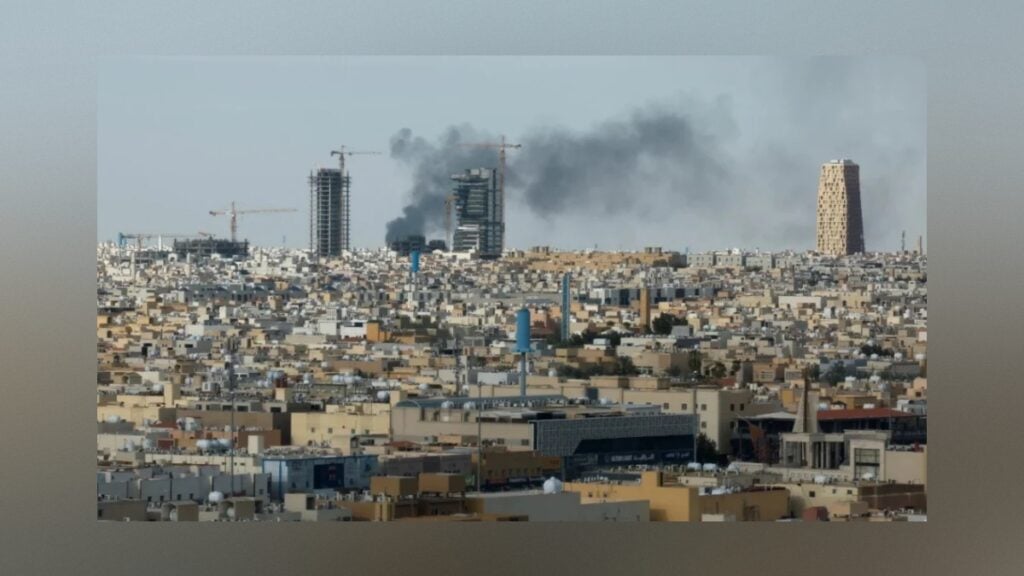
According to the initial report, the missile was launched by Yemen’s Houthi movement and directed towards Riyadh. However, further details about the launch, the precise circumstances of the interception and the potential consequences of the attack were not immediately available. There was also no confirmed information in the report about casualties or damage to infrastructure.
The incident comes against the backdrop of years of conflict in Yemen and recurring security tensions involving Saudi Arabia and the Houthis. The movement has previously carried out missile and drone attacks against Saudi territory, while the kingdom has relied on air defence systems and early-warning mechanisms to detect and counter aerial threats.
Ballistic missiles can travel considerable distances at high speeds, making early detection and rapid interception essential to protecting populated areas. Even when a missile is destroyed in the air, falling debris can pose a risk to people and property on the ground. Emergency alerts therefore remain an important part of the response, providing residents with timely instructions when a potential threat is detected.
Saudi Arabia’s early-warning system is designed to communicate urgent safety information to the public, enabling residents to respond to developing situations. The rapid withdrawal of the latest alerts indicated that officials no longer considered the immediate danger to be present in the areas concerned. It did not, however, establish the full extent of the incident or its wider security implications.
The interception of the missile targeting Riyadh highlights the continuing security challenges facing Saudi Arabia amid instability in the wider region. Further official information would be needed to establish the full circumstances of the attack, including any damage caused and additional details about the missile and its interception.