The gas shortage in Dhaka has intensified, with sharply reduced supply from the source pushing pressure across the capital to critically low levels. The disruption has affected both compressed natural gas (CNG) filling stations and household consumers, leaving motorists, transport operators and residents struggling to meet their daily needs.
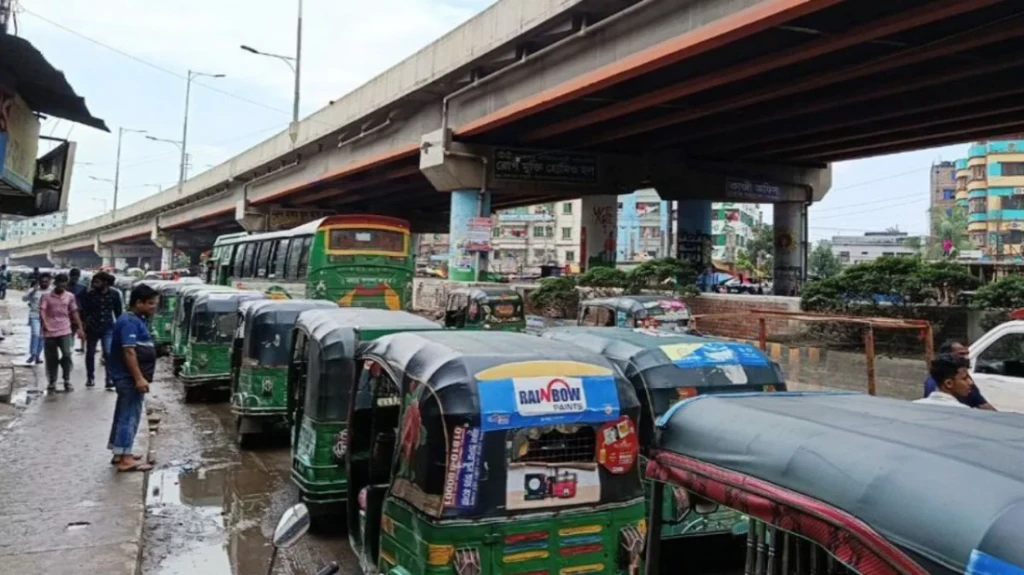
On Thursday, 13 August, severe shortages were reported at CNG filling stations in several parts of the capital. CNG-powered vehicles faced particular difficulties, as transport owners and drivers were forced to spend long periods waiting for a limited supply of fuel. Some drivers reportedly queued from the early hours of the morning, only to obtain CNG worth between Tk20 and Tk50.
The situation has become so acute that many filling stations have displayed signs stating that gas is unavailable. The limited supply has disrupted normal operations and created additional pressure on drivers who depend on CNG for their livelihoods. For public transport operators and other commercial vehicle owners, prolonged queues and uncertain access to fuel can also mean lost working hours and higher operating difficulties.
The shortage is not confined to filling stations. A significant number of households across Dhaka have also reported experiencing inadequate gas supplies for much of the day. In some neighbourhoods, consumers said gas was available only at very low pressure, making it difficult to cook even when the burners could be lit. In other areas, residents complained that there was no gas at all for extended periods.
The disruption is particularly burdensome for households that rely entirely on piped natural gas for cooking. When pressure falls sharply, routine activities such as preparing breakfast, lunch and dinner can become difficult or impossible. Families may be forced to wait for the supply to improve, while those unable to do so have to consider alternative cooking arrangements.
The simultaneous impact on transport and households highlights the wider consequences of reduced gas availability in a densely populated city such as Dhaka. CNG has long been an important fuel for a large number of vehicles, while piped natural gas remains a key source of household cooking energy in many areas.
With supply reportedly remaining well below normal levels, consumers are facing uncertainty over when pressure will return to a workable level. Until supply improves, drivers may continue to face long queues and limited refuelling opportunities, while households could experience further disruption to their daily cooking routines.
The latest situation has therefore added to public concern over the reliability of gas supply in the capital, particularly during periods when demand remains high and available supply is constrained.